


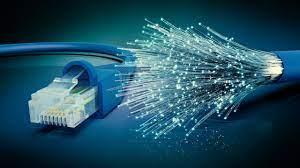
Reliable internet connectivity has become essential for both homes and businesses. From video streaming and remote work to online gaming, cloud computing, and virtual meetings, modern digital activities require fast and stable internet connections. Traditional broadband technologies often struggle to meet the growing demand for speed and reliability. This is why many users are turning to Fibre to the Home (FTTH) services as a superior internet solution.
Fibre to the Home services provide high-speed internet directly through fiber optic cables connected to residential or commercial properties. Unlike older copper-based networks, fiber optic technology delivers faster speeds, better reliability, and improved overall performance. As internet usage continues increasing worldwide, FTTH services are becoming one of the most important advancements in modern communication infrastructure.
What Is Fibre to the Home (FTTH)?
Fibre to the Home is a broadband network technology that uses fiber optic cables to deliver internet, television, and phone services directly to homes or business locations. Fiber optic cables transmit data using light signals, allowing much faster and more efficient communication than traditional cable or DSL systems.
FTTH networks typically provide:
- High-speed internet access
- Digital television services
- Voice communication services
- Cloud connectivity
- Smart home support
Because fiber optic connections are highly efficient, they offer superior speed and performance for both residential and commercial users.
Faster Internet Speeds
One of the biggest advantages of FTTH services is significantly faster internet speed. Fiber optic technology supports much higher data transfer rates compared to traditional copper-based networks.
Users benefit from:
- Faster downloads and uploads
- Smooth video streaming
- Quick file transfers
- Faster website loading
- Improved gaming performance
High-speed connectivity allows multiple users and devices to operate simultaneously without slowing down the network.
More Reliable Connectivity
Traditional internet connections can be affected by weather conditions, electrical interference, or aging infrastructure. Fibre optic cables are much more durable and resistant to signal interference.
FTTH services provide:
- Stable internet connections
- Reduced downtime
- Consistent performance
- Better signal quality
- Improved network reliability
Reliable connectivity is especially important for businesses that depend on uninterrupted online operations.
Better Performance for Remote Work and Online Learning
Remote work and online education have increased the need for dependable internet connections. FTTH services support video conferencing, cloud applications, and online collaboration tools with minimal interruptions.
Benefits for remote users include:
- Clear video calls
- Faster access to cloud platforms
- Smooth online classes
- Reduced buffering and lag
- Improved productivity
Fiber internet helps households and businesses maintain efficient digital communication and workflow.
Support for Multiple Devices
Modern homes and offices often use many connected devices at the same time, including smartphones, laptops, smart TVs, gaming consoles, security systems, and smart appliances.
FTTH services offer enough bandwidth to support:
- Multiple users simultaneously
- Smart home systems
- Streaming on several devices
- Online gaming
- Video conferencing
- Cloud storage access
Fiber optic networks maintain strong performance even with heavy internet usage.
Improved Streaming and Entertainment
Streaming services require stable and high-speed internet connections for high-quality video playback. Fibre to the Home services provide smooth streaming experiences without buffering issues.
Users can enjoy:
- 4K and 8K video streaming
- Live streaming services
- Online gaming
- High-quality music streaming
- Faster content downloads
FTTH improves overall entertainment experiences for residential users.
Enhanced Business Productivity
Businesses rely heavily on internet connectivity for communication, operations, and customer service. FTTH services help improve business efficiency by providing faster and more reliable internet performance.
Business benefits include:
- Faster cloud computing access
- Improved virtual meetings
- Better customer communication
- Efficient data sharing
- Reliable online transactions
- Enhanced remote collaboration
Fiber internet helps businesses operate more smoothly and competitively.
Higher Upload Speeds
Traditional broadband services often provide slower upload speeds compared to download speeds. FTTH services usually offer symmetrical speeds, meaning uploads and downloads are equally fast.
This is especially useful for:
- Uploading large files
- Video conferencing
- Cloud backups
- Live streaming
- Content creation
- Remote server access
Fast upload speeds improve productivity for both businesses and individual users.
Better Network Security
Fiber optic networks are generally more secure than traditional copper networks because they are more difficult to intercept or tamper with physically.
FTTH services provide:
- Improved data protection
- Lower risk of signal interception
- Enhanced network privacy
- Secure communication systems
Businesses handling sensitive information especially benefit from stronger network security.
Energy Efficiency and Sustainability
Fiber optic technology is more energy-efficient than older communication systems. Fiber networks require less electricity to transmit data and generate lower environmental impact.
Environmental benefits include:
- Reduced energy consumption
- Lower carbon emissions
- Longer infrastructure lifespan
- Less maintenance waste
FTTH supports sustainable communication infrastructure for future digital growth.
Increased Property Value
Properties equipped with FTTH connections are often more attractive to buyers and tenants. High-speed internet has become an important feature for modern residential and commercial properties.
Fiber connectivity can increase:
- Property appeal
- Rental demand
- Business attractiveness
- Long-term property value
Reliable internet access is now considered an essential utility in many areas.
Scalability for Future Technology
As technology continues evolving, internet demands will continue increasing. Fibre optic infrastructure is highly scalable and capable of supporting future digital innovations.
FTTH networks are prepared for:
- Smart city systems
- Artificial intelligence applications
- Internet of Things (IoT) devices
- Virtual reality platforms
- Advanced cloud services
- Future communication technologies
Fiber networks provide long-term infrastructure that can adapt to changing digital needs.
Reduced Maintenance Requirements
Fiber optic cables are more durable and require less maintenance than traditional copper wiring. They are resistant to corrosion, moisture, and electrical interference.
This leads to:
- Fewer service interruptions
- Lower repair costs
- Longer network lifespan
- Improved reliability
Service providers and users both benefit from reduced maintenance issues.
Benefits for Residential Users
Homeowners and families benefit from FTTH services in many ways, including:
- Faster internet browsing
- Better online gaming
- Smooth video streaming
- Reliable remote work support
- Smart home connectivity
- Improved online learning experiences
Fiber internet creates a more connected and convenient home environment.
Benefits for Business Users
Businesses of all sizes depend on strong internet performance for daily operations. FTTH services support:
- Cloud-based systems
- E-commerce operations
- Customer support platforms
- Data management
- Digital marketing
- Virtual collaboration
Reliable high-speed internet helps businesses improve efficiency and customer satisfaction.
Choosing the Right FTTH Service Provider
Selecting the right FTTH provider is important for maximizing internet performance and reliability. Users should compare providers based on:
- Internet speed options
- Service reliability
- Customer support
- Pricing and packages
- Installation quality
- Contract terms
- Scalability options
A reputable provider should offer stable connectivity and responsive technical support.
Final Thoughts
Fibre to the Home services provide major advantages for both residential and business internet users. With faster speeds, better reliability, improved security, and strong support for modern digital activities, FTTH technology has become one of the best solutions for high-performance internet connectivity.
As internet usage continues growing, fiber optic networks will play an increasingly important role in supporting communication, entertainment, business operations, and future technologies. Investing in FTTH services helps users enjoy a faster, more reliable, and future-ready digital experience.

 English
 French
 Spanish
 Portuguese
 Deutsch
 Turkish
 Dutch
Dutch
 Italiano
 Russian
 Romaian
 Portuguese (Brazil)
 Tiếng Việt