


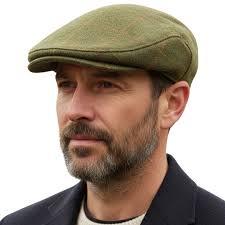
UK weather is famously changeable, and that makes choosing the right men’s headwear less about style alone and more about practicality. One morning can start with drizzle, move into bright sunshine by lunch, and finish with a sharp wind by evening. The best headwear for these conditions should keep you comfortable across all of them, while still fitting naturally into your everyday wardrobe. If you are comparing options such as a beanie, flat cap, bucket hat or baseball cap, it helps to think about fabric, shape, season and the kind of weather you face most often. For a wider look at styles, it can be useful to browse a curated range such as men caps and hats and then decide which features suit your routine best.
Good headwear is not just about finishing an outfit. In the UK, it can help manage rain, shield your eyes from low winter sun, reduce heat loss in colder months, and add comfort on windy days. The key is to choose pieces that work with the climate rather than against it.
Key points
- Choose materials that suit the season, such as wool for winter and cotton or technical fabrics for milder weather.
- Think about weather protection first, then style, fit and colour.
- A well-fitted hat should stay secure in wind without feeling tight or uncomfortable.
- Different headwear types work better for different conditions, so having more than one option is sensible in the UK.
- Look after hats properly so they keep their shape and last longer.
Why UK weather calls for versatile headwear
Unlike climates with long periods of stable weather, the UK often shifts quickly between rain, wind, cold and occasional warmth. This means one hat may not be ideal for every day of the year. A practical approach is to build a small selection of headwear for different conditions rather than relying on a single style.
For example, a thick knitted beanie is excellent on a frosty morning, but it can feel too warm on a damp spring day. A cotton cap may be comfortable in mild weather, yet it offers less insulation when temperatures drop. By understanding how each type performs, you can make better decisions and avoid wearing something unsuitable for the day.
Choose the right material for the season
Winter: warmth without overheating
In colder months, wool and wool-blend hats are among the most reliable choices. Wool provides natural insulation and helps retain warmth even when the air is damp. Merino wool is particularly useful because it feels softer against the skin and manages moisture well. If you want something simple for daily wear, a close-fitting beanie in a breathable knit is usually the most practical option.
Spring and autumn: balance and adaptability
Transitional seasons can be difficult because the temperature often changes through the day. Cotton, brushed cotton and lighter knit fabrics work well here. They provide enough coverage for cool mornings without becoming stifling later on. A flat cap in a medium-weight fabric is often a strong choice for this time of year because it offers some structure and modest protection from light rain or wind.
Summer: airflow and sun protection
Although the UK is not known for extreme summer heat, sunshine can still be strong, especially during clear spells. Breathable cotton, linen blends and lightweight synthetics are useful in warmer weather. A cap with a curved peak is helpful for shielding the eyes from glare, while lighter colours reflect more heat than darker ones. If you are spending long periods outdoors, ventilation should be a priority.
Match the hat to the weather conditions
Rainy days
For wet weather, the best headwear is one that dries quickly and does not absorb too much water. Some caps are treated with water-resistant finishes, which can be useful for daily commuting or short walks. However, no hat is fully waterproof unless specifically designed for it. If you expect prolonged rain, consider whether the hat will still be comfortable after exposure and how easy it will be to dry at home.
Windy days
Wind is one of the most overlooked factors when choosing headwear. A loose hat can be blown off, while a very rigid one may feel awkward in gusty conditions. Structured caps with a secure fit often perform well, as do beanies that sit close to the head. If you spend time near the coast or on open ground, look for a style that stays in place without constant adjustment.
Cold but dry days
When the weather is cold but not wet, insulation matters more than water resistance. A knitted hat, especially one with a double-layer construction, can make a noticeable difference. Coverage around the ears is particularly important because that is where cold air is often felt first. A deeper fit is usually more comfortable than a shallow one in these conditions.
Think about face shape and overall style
Although weather should come first, face shape and personal style also matter. Some hats flatter certain features more than others, and the right choice can make headwear feel more natural to wear.
- Round faces: Structured caps and hats with a bit of height can add balance.
- Longer faces: Lower-profile styles can help avoid adding extra vertical length.
- Angular faces: Softer shapes, such as knitted beanies, can create a more relaxed look.
That said, these are only general guides. Fit and comfort are more important than strict style rules. A hat that suits your routine and feels easy to wear will usually become a regular part of your wardrobe.
Fit matters more than many people think
A good fit is essential, particularly in the UK where wind can quickly make an uncomfortable hat annoying to wear. Headwear should sit securely without leaving marks or causing pressure. If it is too loose, it may move around or fall off. If it is too tight, it can feel distracting and become uncomfortable after a short time.
When trying on headwear, check that it covers the areas you want protected, whether that is the ears, forehead or crown. Also consider how it feels after several minutes, not just the first moment you put it on. A hat that seems fine initially may become irritating if the sizing is slightly off.
Choose colours that work in real life
Colour is often treated as a style decision, but it also has practical value. Dark colours tend to hide marks and are easier to wear in wet or muddy conditions. Lighter colours can be better in bright weather because they absorb less heat. Neutral shades such as navy, grey, black, olive and brown are usually the most versatile for everyday use.
If you prefer a hat that works with most coats and jackets, choosing a neutral colour is the simplest approach. It allows the headwear to blend into your wardrobe rather than limiting what you can wear with it.
How to build a practical collection
Most men in the UK benefit from owning more than one type of headwear. A sensible collection might include:
- A warm knitted beanie for winter
- A flat cap for mild, changeable days
- A lightweight cap for summer and travel
- A water-resistant option for frequent rain
This does not mean collecting lots of styles. It simply means matching your headwear to the weather patterns you actually experience. A small, well-chosen selection is often more useful than several similar hats that do the same job.
Caring for your headwear
Proper care helps maintain shape, comfort and appearance. Always check the care label before washing, as wool and structured caps often need gentler treatment than cotton items. Many hats should be hand washed or cleaned carefully with a damp cloth rather than put through a machine.
To keep hats in good condition, store them somewhere dry and avoid crushing them under heavier items. If a cap loses shape, allow it to air dry naturally rather than using direct heat, which can damage fibres and alter the fit. Regular care is especially important if you wear the same hat often during the winter months.
Conclusion
Choosing the right men’s headwear for UK weather is mainly about balancing comfort, protection and practicality. Because conditions can change quickly, the best choice is rarely one style for every situation. Instead, consider the season, the amount of rain or wind you expect, how the hat fits, and whether the material suits your daily routine. A well-chosen hat can make a noticeable difference to how prepared and comfortable you feel outdoors. By paying attention to fabric, fit and function, you can build a dependable selection that works across the year.
FAQ
What is the best all-round men’s hat for UK weather?
A medium-weight cap or a lightweight beanie can work well as an all-round option, but the best choice depends on season. For year-round use, many people prefer having at least two styles rather than one.
Are wool hats good for the UK climate?
Yes, wool is a strong choice for colder months because it keeps warmth in and still performs reasonably well in damp conditions. Merino wool is often preferred for comfort.
Can a cap be worn in the rain?
Yes, but it depends on the material and how long you will be outside. Some caps handle light rain better than others, but most are not fully waterproof unless designed for that purpose.
How should a hat fit?
It should sit securely without feeling tight. You should be able to wear it comfortably for long periods without pressure points or constant adjustment.
What colour headwear is easiest to wear?
Neutral colours such as black, navy, grey and olive are usually the most versatile because they match most coats and everyday outfits.
How many hats should I own for UK weather?
For most people, two to four well-chosen hats are enough. A winter hat, a lighter cap and one weather-resistant option usually cover most situations.

 Arabic
 French
 Spanish
 Portuguese
 Deutsch
 Turkish
 Dutch
Dutch
 Italiano
 Russian
 Romaian
 Portuguese (Brazil)
 Tiếng Việt