


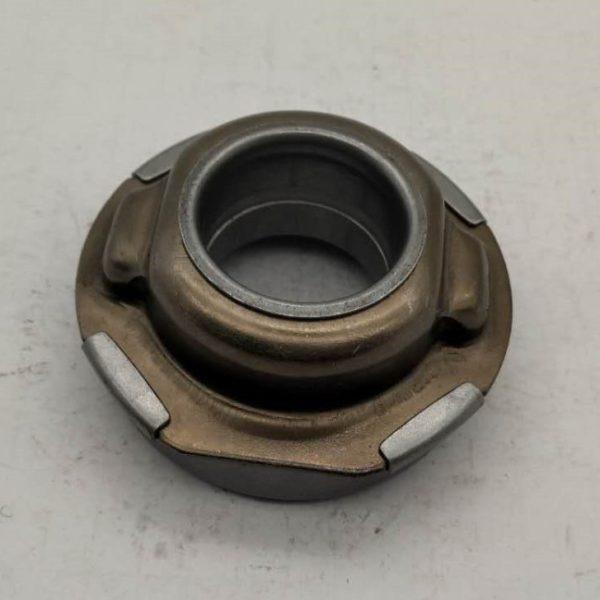
In automotive and industrial transmission systems, the clutch release bearing plays a critical role in ensuring smooth gear engagement and disengagement. It acts as the interface between the clutch mechanism and the pressure plate, enabling controlled transmission of power.
When a clutch release bearing begins to fail, the impact is immediate and disruptive. Drivers and operators experience difficulty in gear shifting, unusual noise, vibration, and in severe cases, complete transmission failure. For B2B automotive workshops, fleet operators, and industrial machinery users, such failures can lead to costly downtime and repair expenses.
Understanding the causes and prevention strategies of clutch release bearing failures is essential for maintaining transmission reliability and operational efficiency.
Role of Clutch Release Bearing in Transmission Systems
The clutch release bearing is designed to reduce friction between the rotating clutch assembly and the stationary release mechanism. When the clutch pedal is pressed, the bearing moves to disengage the engine from the transmission, allowing smooth gear changes.
This small but essential component ensures that force is transferred efficiently without causing excessive wear on the clutch system. In heavy-duty and commercial applications, it is subjected to frequent engagement cycles, making durability and proper maintenance critical.
When functioning correctly, it ensures smooth operation, reduced wear on clutch plates, and efficient power transfer. However, even minor wear can disrupt the entire transmission system.
Key Problems Caused by Clutch Release Bearing Failure
Failure of the clutch release bearing can create multiple operational issues that affect vehicle and machinery performance.
1. Unusual Noise During Clutch Operation
A worn bearing often produces grinding, squealing, or rattling sounds when the clutch pedal is pressed.
2. Difficulty in Gear Shifting
As the bearing deteriorates, clutch disengagement becomes incomplete, making gear changes rough or delayed.
3. Increased Vibration
Damaged bearings create uneven movement in the clutch system, resulting in noticeable vibration.
4. Clutch Slippage or Dragging
Improper disengagement leads to partial power transfer, causing slipping or dragging effects in the transmission.
5. Complete Transmission Failure
In severe cases, a failed bearing can damage the clutch assembly and lead to full transmission breakdown.
Root Causes of Clutch Release Bearing Failure
Most clutch release bearing failures are caused by operational stress and maintenance issues rather than sudden defects.
Improper Driving Habits
Riding the clutch pedal or excessive partial engagement increases continuous load on the bearing.
Lack of Lubrication
Insufficient lubrication leads to increased friction and accelerated wear.
Misalignment of Clutch Components
Incorrect installation or worn components can cause uneven pressure distribution on the bearing.
Heavy Load Operation
Frequent heavy-duty usage increases stress cycles on the bearing, reducing its lifespan.
Wear of Surrounding Clutch Parts
A worn pressure plate or clutch fork can indirectly damage the release bearing.
Impact on B2B Automotive and Industrial Operations
In B2B environments such as fleet management, logistics, and industrial transport, clutch release bearing failure can significantly disrupt operations.
Vehicle downtime directly affects delivery schedules, operational costs, and service reliability. In industrial machinery, transmission failure can halt entire production workflows.
Repeated failures increase maintenance frequency and reduce the overall lifespan of transmission systems. This results in higher operational costs and reduced efficiency across fleets or equipment networks.
For businesses that rely heavily on continuous vehicle or machinery operation, clutch reliability is a critical performance factor.
Engineering-Based Preventive Solutions
Preventing clutch release bearing failure requires a combination of proper usage, maintenance, and inspection practices.
1. Avoid Excess Clutch Pedal Pressure
Operators should avoid resting their foot on the clutch pedal to reduce unnecessary bearing load.
2. Ensure Proper Lubrication
High-quality lubricants and correct application reduce friction and extend bearing life.
3. Maintain Proper Alignment
Regular inspection of clutch alignment ensures even load distribution across components.
4. Use High-Quality Replacement Parts
Industrial-grade clutch release bearings provide better durability under heavy-duty conditions.
5. Conduct Routine Transmission Inspections
Early detection of wear patterns helps prevent sudden failures.
6. Train Operators on Best Practices
Proper driving techniques significantly reduce clutch system stress in fleet operations.
B2B Operational Efficiency Perspective
For B2B fleet operators and industrial users, clutch release bearing reliability is directly linked to operational uptime and cost efficiency.
Failures in this component lead to unexpected downtime, delayed deliveries, and increased repair costs. Over time, these inefficiencies reduce fleet productivity and increase total cost of ownership.
Organizations that invest in preventive maintenance programs and high-quality components benefit from improved vehicle reliability, reduced breakdown frequency, and better operational planning.
Efficient clutch systems also contribute to smoother workflows and reduced mechanical stress across the transmission system.
Conclusion
The clutch release bearing is a small but essential component that plays a vital role in transmission performance. Its failure can lead to noise, gear shifting issues, and even complete system breakdown.
By adopting proper driving practices, ensuring correct installation, and maintaining regular inspection schedules, businesses can significantly reduce the risk of failure.
In B2B automotive and industrial operations, clutch release bearing reliability is a key factor in maintaining operational efficiency, reducing downtime, and ensuring long-term system durability.

 English
 Arabic
 French
 Spanish
 Portuguese
 Turkish
 Dutch
Dutch
 Italiano
 Russian
 Romaian
 Portuguese (Brazil)
 Tiếng Việt