


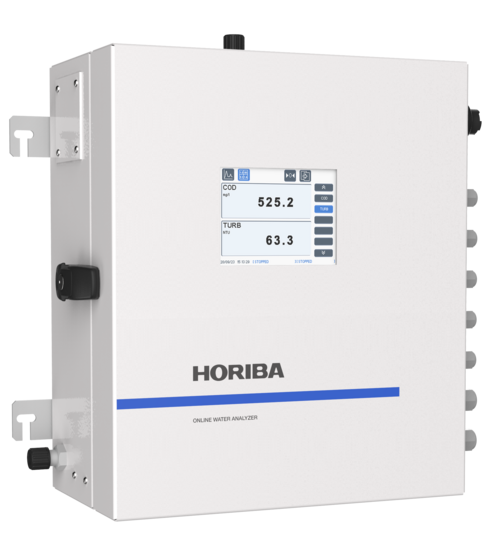
Water is one of the most precious resources on Earth. It supports life, drives industrial growth, sustains agriculture, and maintains environmental balance. As urbanization and industrialization continue to increase, protecting water quality has become a major global concern. Polluted water can lead to severe health problems, environmental damage, and economic losses. To ensure safe and clean water, continuous monitoring is necessary. One of the most advanced technologies used for this purpose is the online water analyzer.
An online water analyzer is an automated system that continuously measures and monitors water quality parameters in real time. Unlike traditional laboratory testing, which requires manual sampling and delayed results, online analyzers provide instant information about water conditions. These systems are widely used in industries, water treatment plants, environmental monitoring stations, power plants, and research facilities.
The increasing demand for efficient water management has made online water analyzers an essential part of modern infrastructure. Their ability to provide continuous data improves decision-making, enhances safety, and helps maintain environmental standards.
What Is an Online Water Analyzer?
An online water analyzer is a digital instrument designed to monitor specific water quality parameters continuously. The analyzer is connected directly to a water source or pipeline, allowing it to test water automatically without interruption.
The system uses sensors to measure different chemical and physical properties of water. The collected information is processed electronically and displayed on a screen or transmitted to a monitoring system. Operators can access real-time data and respond immediately if water quality changes unexpectedly.
Online water analyzers can monitor a single parameter or multiple parameters at the same time. Advanced systems can even store historical data and generate reports for long-term analysis.
Importance of Online Water Monitoring
Water quality can change quickly due to contamination, industrial discharge, chemical leaks, or environmental conditions. Traditional testing methods may not detect these changes immediately because samples must be collected manually and analyzed in laboratories.
Online water analyzers solve this problem by providing continuous monitoring. This immediate analysis offers several important advantages.
First, it protects public health by detecting harmful contaminants quickly. If dangerous substances enter a water supply system, operators can take action before the contamination spreads.
Second, online monitoring improves industrial efficiency. Many industries require controlled water conditions for production, cooling, and cleaning processes. Real-time monitoring helps maintain proper water standards and prevents equipment damage.
Third, continuous monitoring supports environmental protection. Rivers, lakes, and oceans can be monitored continuously to identify pollution and protect aquatic ecosystems.
Finally, online water analyzers reduce operational costs by minimizing manual testing and improving process control.
How Online Water Analyzers Work
An online water analyzer operates through a combination of sensors, electronic circuits, and software systems. Water flows continuously through the analyzer or over its sensors.
Each sensor measures a specific property of the water. For example, a pH sensor measures acidity, while a conductivity sensor measures dissolved ions. The sensors convert these measurements into electrical signals.
The analyzer processes these signals and displays the results digitally. In many systems, the data is transmitted to computers, control rooms, or cloud-based monitoring platforms.
Some analyzers are connected to automated control systems. If a measurement exceeds a safe limit, the system can trigger alarms or automatically adjust treatment processes.
Common Parameters Measured
pH
The pH level indicates whether water is acidic or alkaline. Balanced pH is important for drinking water safety, industrial equipment protection, and aquatic life.
Conductivity
Conductivity measures the ability of water to conduct electricity. It helps determine the concentration of dissolved salts and impurities in water.
Dissolved Oxygen
Dissolved oxygen is essential for aquatic organisms. Monitoring oxygen levels is important in wastewater treatment plants, fish farms, and environmental studies.
Turbidity
Turbidity measures water clarity. High turbidity levels indicate suspended particles, dirt, or contamination.
Chlorine
Chlorine monitoring is important in water treatment systems because chlorine is widely used for disinfection. Proper chlorine levels ensure safe drinking water.
Total Dissolved Solids (TDS)
TDS refers to dissolved substances such as minerals, salts, and metals present in water. High TDS levels may affect water quality and industrial processes.
Chemical Concentrations
Advanced analyzers can monitor chemicals such as ammonia, nitrate, phosphate, and heavy metals. These measurements are important in environmental and industrial applications.
Types of Online Water Analyzers
Single-Parameter Analyzers
These analyzers measure one specific water property. They are commonly used in applications requiring focused monitoring.
Multiparameter Analyzers
Multiparameter analyzers can measure several water characteristics simultaneously. These systems are more efficient and widely used in industrial and environmental settings.
Portable Online Systems
Portable systems allow temporary monitoring in remote locations or during field inspections. They combine mobility with continuous measurement capabilities.
Industrial Monitoring Systems
Industrial analyzers are designed for continuous operation in harsh environments. They are commonly used in power plants, factories, and wastewater facilities.
Applications of Online Water Analyzers
Municipal Water Treatment
Water treatment plants use online analyzers to monitor purification processes and ensure safe drinking water for the public.
Industrial Production
Industries rely on online water analyzers to maintain water quality in manufacturing processes. Proper monitoring prevents corrosion, scaling, and equipment damage.
Wastewater Treatment
Wastewater facilities use these systems to monitor pollutants and ensure treated water meets environmental standards before discharge.
Environmental Monitoring
Environmental agencies monitor rivers, lakes, and oceans to detect pollution and protect ecosystems.
Power Generation
Power plants require high-purity water for boilers and cooling systems. Online analyzers help maintain proper water conditions and improve efficiency.
Aquaculture
Fish farms and aquariums use online analyzers to maintain healthy water conditions for aquatic life.
Advantages of Online Water Analyzers
One major advantage of online water analyzers is real-time monitoring. Continuous measurement allows immediate detection of contamination or system problems.
Automation is another important benefit. These systems reduce manual labor and improve accuracy by minimizing human error.
Online analyzers also improve efficiency by optimizing treatment processes and reducing chemical waste. Industries can save money by preventing equipment damage and improving operational performance.
Remote monitoring capabilities make management more convenient. Operators can access data from computers or mobile devices and monitor water systems from different locations.
Additionally, online analyzers support environmental sustainability by helping organizations comply with water quality regulations and reduce pollution.
Challenges and Limitations
Despite their benefits, online water analyzers also have challenges. Installation and maintenance costs can be high, especially for advanced monitoring systems.
Sensors require regular calibration and cleaning to maintain accurate measurements. Dirty sensors or technical problems may produce incorrect readings.
Environmental conditions such as temperature fluctuations, pressure changes, and chemical interference can also affect analyzer performance.
Another limitation is that some analyzers are designed only for specific parameters, requiring additional equipment for complete water analysis.
Future Developments in Online Water Analysis
Technology is rapidly transforming water monitoring systems. Modern analyzers are becoming more intelligent, compact, and energy-efficient.
Artificial intelligence and machine learning are being integrated into water analysis systems to improve data interpretation and predict water quality issues before they become serious.
Cloud computing and wireless communication technologies allow real-time remote monitoring and automated reporting. These features improve efficiency and simplify water management.
In the future, online water analyzers are expected to become more affordable and widely available, making advanced water monitoring accessible to more industries and communities.
Conclusion
Online water analyzers are powerful tools that play a vital role in modern water management. Their ability to provide continuous and accurate monitoring helps protect public health, improve industrial efficiency, and preserve the environment.

 English
 Arabic
 French
 Spanish
 Portuguese
 Deutsch
 Turkish
 Dutch
Dutch
 Italiano
 Russian
 Romaian
 Portuguese (Brazil)