


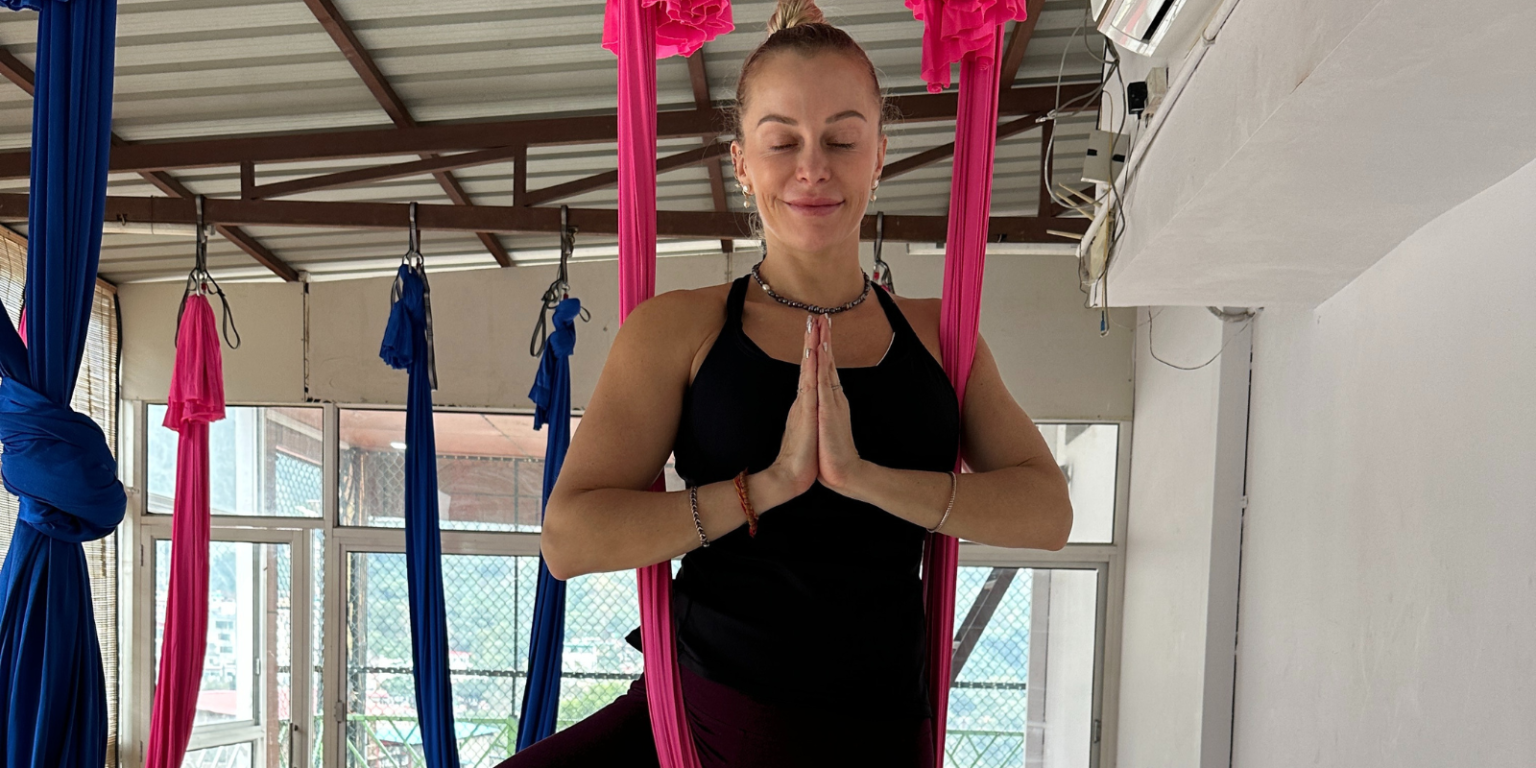
Introduction to the Philosophy of Ashtanga Yoga
The practice of yoga is often misunderstood as only a physical discipline involving postures and stretching exercises. However, traditional yoga is a complete system designed to create harmony between the body, mind, and spirit. One of the most respected and transformative frameworks within yogic philosophy is the 8 Limbs of Ashtanga Yoga, originally described by the sage Patanjali in the Yoga Sutras. These eight interconnected principles guide practitioners toward a balanced and meaningful life while helping them cultivate self-awareness, discipline, and spiritual growth. Rather than focusing only on physical fitness, the 8 Limbs of Ashtanga Yoga provide a step-by-step path for inner transformation and lasting peace.
The First Limb: Yama and Ethical Discipline
The first stage within the 8 Limbs of Ashtanga Yoga is known as Yama, which represents moral values and ethical standards that shape how individuals interact with the world around them. Yama includes principles such as non-violence, truthfulness, honesty, moderation, and non-possessiveness. These teachings encourage practitioners to live with integrity and compassion while reducing negative behaviors that create suffering. By practicing Yama consistently, individuals begin to develop healthier relationships and a calmer mental state. This ethical foundation is considered essential because spiritual progress becomes difficult without emotional balance and conscious behavior in everyday life.
The Second Limb: Niyama and Personal Growth
Niyama, the second of the 8 Limbs of Ashtanga Yoga, focuses on personal discipline and self-care. It includes practices such as cleanliness, contentment, self-study, self-discipline, and surrender to a higher consciousness. Niyama teaches practitioners to look inward and cultivate a positive relationship with themselves. Through these practices, individuals become more aware of their habits, thoughts, and emotional patterns. This stage promotes inner strength and mental clarity while helping practitioners develop gratitude and emotional resilience. The consistent application of Niyama can create a more focused and purposeful approach to life.
The Physical Practice of Asana
Asana, the third limb of the 8 Limbs of Ashtanga Yoga, refers to physical postures designed to strengthen the body and prepare it for meditation. While modern yoga classes often emphasize flexibility and fitness, traditional asana practice is intended to create stability, balance, and comfort within the body. Regular practice improves posture, concentration, circulation, and overall health. More importantly, it trains the practitioner to remain calm and steady even during challenging situations. Asana becomes a bridge between the physical and mental aspects of yoga, allowing energy to flow freely while reducing stress and tension.
Pranayama and the Power of Breath
The fourth limb within the 8 Limbs of Ashtanga Yoga is Pranayama, the practice of controlling and expanding the breath. Breath is considered the life force that connects the body and mind, and conscious breathing techniques can significantly influence emotional and mental well-being. Pranayama practices help calm the nervous system, increase lung capacity, and improve concentration. Through mindful breathing, practitioners learn to regulate their emotions and develop greater awareness of the present moment. This stage demonstrates that the breath is not only essential for physical survival but also a powerful tool for inner balance and spiritual awakening.
The Inner Journey Through Meditation and Awareness
The final stages of the 8 Limbs of Ashtanga Yoga move beyond the external world and guide practitioners into deeper states of awareness. Pratyahara involves withdrawing the senses from distractions, while Dharana focuses on concentration and mental focus. Dhyana, or meditation, allows the mind to become quiet and fully absorbed in awareness. The final limb, Samadhi, represents a state of profound peace and spiritual unity where the practitioner experiences complete connection with higher consciousness. These advanced practices help individuals transcend stress, confusion, and attachment while discovering a deeper sense of purpose and fulfillment.
Conclusion: Applying the 8 Limbs of Ashtanga Yoga in Daily Life
The wisdom of the 8 Limbs of Ashtanga Yoga extends far beyond the yoga mat and offers practical guidance for modern living. Each limb supports personal growth, emotional stability, physical health, and spiritual understanding. By gradually incorporating these teachings into daily routines, individuals can experience greater mindfulness, discipline, and inner peace. The journey through the 8 Limbs of Ashtanga Yoga is not about perfection but about consistent self-awareness and progress. With dedication and patience, this ancient yogic path can inspire a healthier, calmer, and more meaningful way of life.

 English
 French
 Spanish
 Portuguese
 Deutsch
 Turkish
 Dutch
Dutch
 Italiano
 Russian
 Romaian
 Portuguese (Brazil)
 Tiếng Việt