


Natural disasters continue to threaten infrastructure, communities, and industries across the world. Among them, landslides are particularly dangerous because they can occur suddenly, with little warning, causing severe damage to roads, railways, mines, construction sites, and residential areas. As climate change increases the frequency of heavy rainfall and unstable terrain conditions, the need for reliable monitoring systems has become more critical than ever.
This is where remote landslide monitoring with industrial devices is transforming disaster prevention and risk management.
Understanding Landslide Risks
Landslides occur when soil, rock, or debris moves down a slope due to gravity. Several factors can trigger these events, including:
- Heavy rainfall
- Earthquakes
- Soil erosion
- Mining activities
- Construction vibrations
- Deforestation
Traditional inspection methods often rely on manual surveys and visual observations, which are time-consuming and may fail to detect early warning signs. Modern industrial monitoring technologies now allow organizations to continuously monitor unstable terrain remotely and respond before disaster strikes.
What Is Remote Landslide Monitoring?
Remote landslide monitoring is the process of collecting and analyzing environmental and structural data from landslide-prone areas using connected industrial devices. These systems operate in real time and transmit critical information to monitoring centers, cloud platforms, or mobile dashboards.
Industrial-grade monitoring devices are designed to withstand harsh outdoor conditions while providing accurate and continuous data collection. This enables engineers, authorities, and safety teams to detect movement patterns and take preventive action immediately.
Key Industrial Devices Used in Landslide Monitoring
1. Tilt Sensors and Inclinometers
Tilt sensors detect changes in ground angle and slope movement. Even small shifts in terrain can indicate the early stages of a landslide. Industrial inclinometers provide precise measurements that help engineers monitor slope stability over time.
2. Vibration and Seismic Sensors
Ground vibrations can signal soil instability or underground movement. Industrial seismic sensors continuously monitor these changes and help identify unusual activity before a major failure occurs.
3. Rainfall Monitoring Systems
Heavy rainfall is one of the leading causes of landslides. Industrial weather stations and rain gauges track precipitation levels and trigger alerts when rainfall thresholds become dangerous.
4. GPS and GNSS Monitoring Devices
High-precision GPS systems monitor surface displacement in real time. These devices measure even millimeter-level movement, helping experts analyze slope deformation accurately.
5. Remote Cameras and Imaging Systems
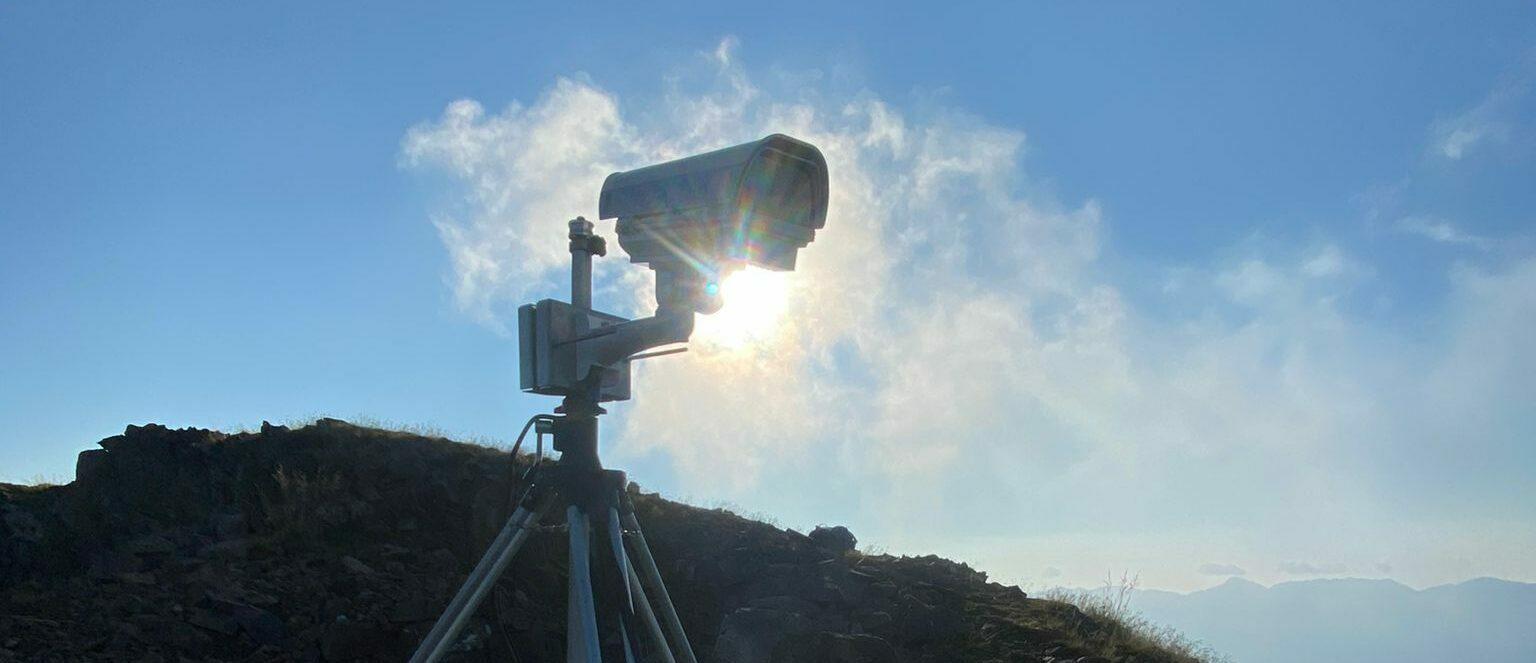
Industrial cameras provide live visual monitoring of slopes and vulnerable areas. Combined with AI-powered image analysis, these systems can identify cracks, erosion, and terrain changes automatically.
Benefits of Remote Landslide Monitoring with Industrial Devices
Real-Time Data Collection
Continuous monitoring ensures that critical information is available instantly. This allows faster decision-making during emergencies.
Early Warning Alerts
Automated systems can send alerts via SMS, email, or cloud dashboards when dangerous movement patterns are detected, giving authorities time to evacuate affected areas.
Reduced Human Risk
Remote monitoring minimizes the need for personnel to enter hazardous zones for inspections, improving worker safety.
Improved Accuracy
Industrial devices provide precise and reliable measurements, reducing errors associated with manual monitoring.
24/7 Monitoring Capability
Unlike periodic inspections, remote systems operate continuously in all weather conditions, ensuring uninterrupted surveillance.
Applications Across Industries
Remote landslide monitoring solutions are widely used in:
- Mining operations
- Railway and highway infrastructure
- Dam and reservoir monitoring
- Construction projects
- Mountain communities
- Oil and gas facilities
Industries operating in high-risk terrain can significantly reduce downtime, financial losses, and safety hazards through proactive monitoring.
The Future of Landslide Monitoring
The future of remote landslide monitoring with industrial devices lies in smart automation and AI-driven analytics. Advanced IoT platforms now integrate sensor networks, cloud computing, satellite communication, and machine learning to predict failures before they happen.
As technology evolves, monitoring systems are becoming more scalable, energy-efficient, and accessible for organizations worldwide.
Conclusion
Landslides can have devastating consequences, but modern monitoring technology is changing how we manage these risks. Remote landslide monitoring with industrial devices provides real-time visibility, accurate data, and early warning capabilities that help save lives and protect infrastructure.
By combining industrial-grade sensors, remote communication systems, and intelligent analytics, organizations can move from reactive disaster response to proactive risk prevention.
Investing in advanced monitoring solutions today means building safer environments for the future.

 English
 Arabic
 French
 Portuguese
 Deutsch
 Turkish
 Dutch
Dutch
 Italiano
 Russian
 Romaian
 Portuguese (Brazil)
 Tiếng Việt