


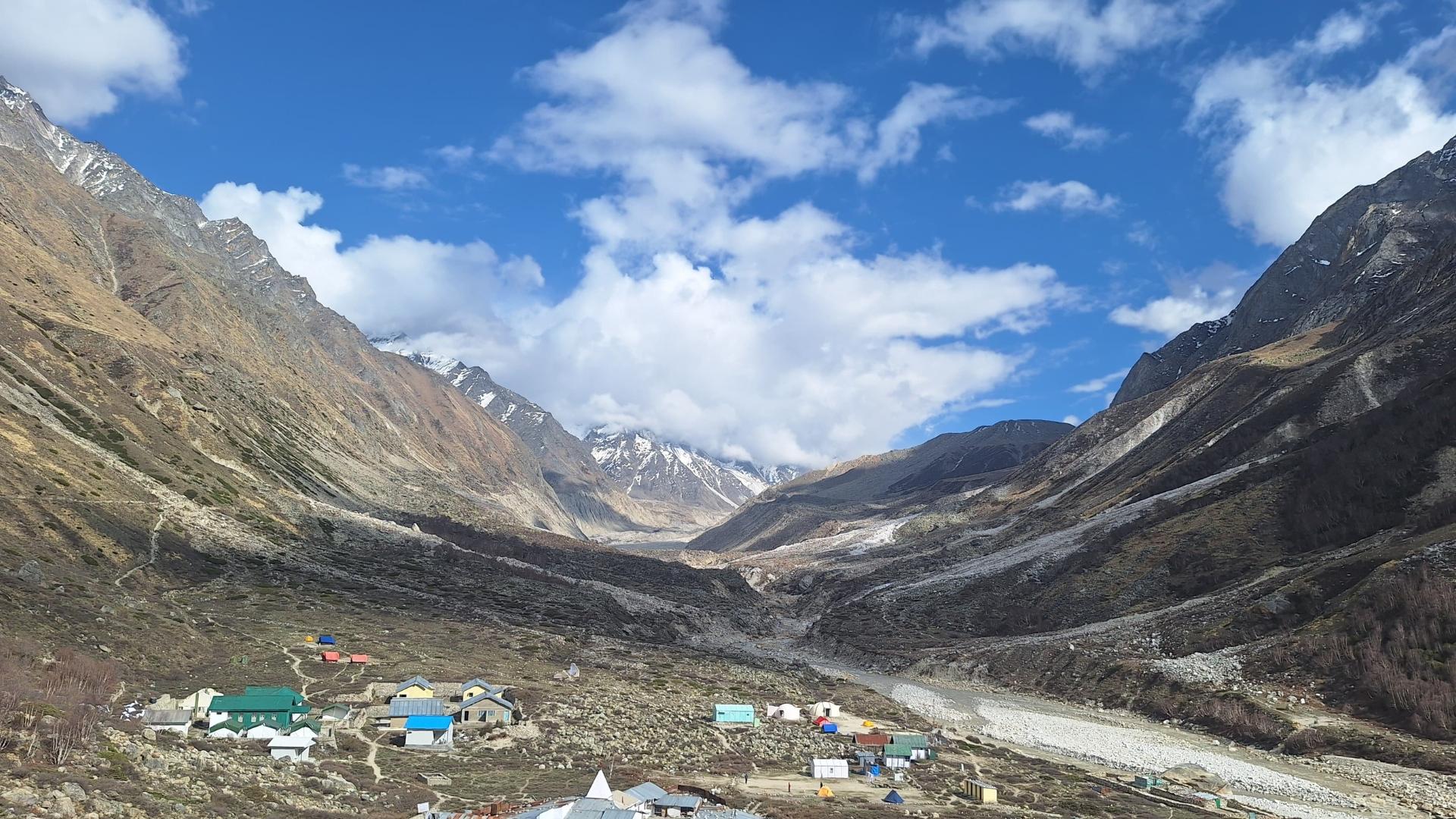
The Indian Himalayas are home to several magnificent peaks that attract trekkers and mountaineers from around the world. Among these incredible summits, Mt Satopanth stands out for its stunning landscapes, glacier routes, and spiritual surroundings. Adventure seekers looking for a thrilling high-altitude climb often search for the best Mt satopanth peak expedition itinerary to prepare for the journey effectively. Organized by kailasatreks, this expedition offers a perfect blend of technical climbing, scenic camping, and Himalayan exploration.
About Mt Satopanth Peak
Mt Satopanth Peak is located in the Garhwal Himalayas of Uttarakhand at an elevation of approximately 7,075 meters. The mountain lies close to the sacred region of Badrinath and is surrounded by famous peaks like Chaukhamba and Neelkanth. The expedition is suitable for experienced trekkers and climbers who wish to challenge themselves on snow slopes, glaciers, and rocky ridges.
The climb requires physical fitness, proper acclimatization, and technical mountaineering skills. The best time for the expedition is during May to June and September to October when weather conditions remain favorable for climbing.
Detailed Mt Satopanth Peak Expedition Itinerary
Day 1: Arrival at Joshimath
The journey begins with arrival at Joshimath, a scenic mountain town in Uttarakhand. Team briefing, equipment check, and acclimatization activities are conducted here. Participants can enjoy beautiful Himalayan views and prepare for the expedition ahead.
Day 2: Drive from Joshimath to Badrinath and Trek to Mana Village
The expedition team drives to Badrinath, one of the most sacred pilgrimage destinations in India. After reaching Badrinath, a short trek leads to Mana Village, the last inhabited village near the Indo-Tibetan border. Camp is established near the village for overnight stay.
Day 3: Trek from Mana to Vasudhara
The route gradually ascends towards Vasudhara Falls, a stunning natural attraction surrounded by rocky mountains. Trekkers pass through alpine landscapes and river crossings while enjoying spectacular views of the valley.
Day 4: Trek from Vasudhara to Laxmi Van
The trail continues toward Laxmi Van, known for its peaceful atmosphere and glacier-fed streams. The campsite offers panoramic views of surrounding peaks and serves as an ideal acclimatization stop.
Day 5: Trek from Laxmi Van to Chakratirtha
This section of the trek involves glacier walking and rugged terrain. Chakratirtha is a breathtaking campsite located amidst towering snow-covered mountains. Climbers spend the night here while preparing for higher altitude movement.
Day 6: Trek to Satopanth Base Camp
The team reaches Satopanth Base Camp after crossing moraines and glacier sections. Base camp serves as the primary location for climbing preparation, training sessions, and acclimatization.
Day 7: Acclimatization and Training at Base Camp
Climbers practice rope techniques, ice climbing skills, and safety drills. Proper acclimatization at this stage is essential for a successful summit attempt.
Day 8: Move to Advanced Base Camp
The route becomes more technical as climbers ascend toward Advanced Base Camp. Snowfields and crevasses demand careful navigation and teamwork.
Day 9: Summit Rotation and Rest
A summit rotation climb is conducted to improve acclimatization and prepare climbers for the final ascent. The team later returns to camp for rest and recovery.
Day 10: Summit Attempt
The summit push begins early in the morning. Climbers move through steep snow slopes and challenging ridgelines before reaching the summit of Mt Satopanth. The panoramic Himalayan views from the top create an unforgettable experience.
Day 11: Return to Base Camp
After the summit climb, the team descends safely to Base Camp. Rest and celebration activities are organized after the successful expedition.
Day 12: Trek Back to Mana Village
The return trek follows the same scenic route through Chakratirtha, Laxmi Van, and Vasudhara before reaching Mana Village.
Day 13: Drive to Joshimath
Participants drive back to Joshimath where the expedition officially concludes with certificate distribution and farewell sessions.
Essential Tips for Climbers
- Maintain physical fitness before joining the expedition.
- Carry high-quality trekking and climbing equipment.
- Stay hydrated during the journey.
- Follow acclimatization schedules carefully.
- Listen to expedition leaders and technical guides.
Conclusion
Mt Satopanth Peak is one of the most rewarding mountaineering expeditions in the Indian Himalayas. From glacier crossings to breathtaking summit views, every stage of the climb offers adventure and unforgettable memories. Choosing a well-organized Mt satopanth peak expedition itinerary ensures better safety, proper acclimatization, and a successful climbing experience. With professional guidance from kailasatreks, climbers can experience the true beauty and challenge of this magnificent Himalayan peak.

 English
 Arabic
 French
 Spanish
 Portuguese
 Deutsch
 Turkish
 Dutch
Dutch
 Russian
 Romaian
 Portuguese (Brazil)
 Tiếng Việt