


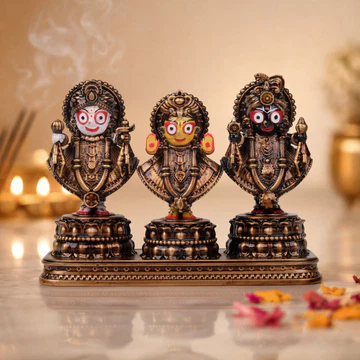
God idols, commonly known as murtis, hold a profound place in spiritual traditions, especially within Hindu culture. Far beyond mere decorative objects, these sacred representations serve as a bridge between the physical and the divine. For centuries, God idols devotees have turned to these forms to express faith, seek blessings, and cultivate a deeper connection with higher consciousness. In today’s world, god idols continue to play a vital role not only in temples but also in homes, workplaces, and artistic spaces.
Understanding the Concept of God Idols
A god idol or murti is essentially a physical representation of a deity. In Sanskrit, the word “murti” means “form” or “embodiment,” symbolizing the manifestation of the divine in a tangible shape. These idols are not considered gods themselves but are revered as mediums through which devotees can focus their devotion and connect with the divine essence.
This concept addresses a fundamental aspect of human psychology: the need for a focal point. While the divine is often described as formless and infinite, the human mind finds it easier to concentrate and build a relationship with something visible and tangible. God idols fulfill this role by providing a sacred anchor for prayer and meditation.
Spiritual Significance of God Idols
The presence of a god idol transforms a space into a spiritual environment. Whether placed in a temple or a home, these idols create a sense of peace, positivity, and divine presence. Devotees engage in rituals such as puja, offering flowers, incense, and prayers to the idol as a form of reverence and gratitude.
One of the key aspects of idol worship is the ritual known as prana pratishtha, where the idol is consecrated and infused with spiritual energy. After this ritual, the murti is treated as a living entity, symbolizing the presence of the deity.
God idols also play a central role in darshan, the act of seeing and being seen by the divine. This interaction is believed to bring blessings, clarity, and spiritual upliftment.
Types and Forms of God Idols
God idols come in a wide variety of forms, each representing different aspects of divinity. Some idols are human-like, depicting gods and goddesses with symbolic attributes such as multiple arms or heads, representing their powers and qualities. Others may be abstract or symbolic, like the Shivling, which represents Lord Shiva in a non-anthropomorphic form.
There are also distinctions based on the emotional expression of the deity:
- Peaceful (Shanta) forms – Represent compassion, wisdom, and serenity
- Fierce (Raudra) forms – Symbolize protection, शक्ति (power), and destruction of evil
These diverse forms allow devotees to connect with the divine in ways that resonate with their personal beliefs and spiritual needs.
Materials and Craftsmanship
The creation of god idols is an art form rooted in tradition and precision. Skilled artisans, often guided by ancient scriptures and design principles, craft these idols using materials such as marble, brass, wood, clay, and stone.
Each material carries its own significance:
- Marble idols are known for their purity and elegance
- Brass and metal idols symbolize strength and durability
- Wooden idols offer a rustic and traditional aesthetic
- Clay idols are often used during festivals and are eco-friendly
The craftsmanship involved is not merely technical but deeply spiritual. Every detail—from facial expressions to hand gestures (mudras)—is carefully designed to convey divine attributes and stories.
God Idols in Modern Homes
In contemporary times, god idols have seamlessly integrated into modern living spaces. Many households maintain a dedicated पूजा (prayer area) where idols are placed to create a sacred corner. Even in compact urban homes, small and intricately designed idols bring a sense of calm and positivity.
Apart from religious purposes, god idols are also appreciated for their artistic value. Minimalist designs, contemporary finishes, and innovative materials have made them suitable for modern interiors. They serve as both spiritual symbols and aesthetic décor elements.
Cultural and Festive Importance
God idols are central to many Indian festivals and cultural traditions. During celebrations like Ganesh Chaturthi, Durga Puja, and Diwali, idols are installed, worshipped, and later immersed or ceremonially concluded. These rituals symbolize cycles of creation, preservation, and dissolution.
Temporary idols, especially those made of clay, highlight the importance of sustainability and the transient nature of life. They remind devotees of the deeper philosophical teachings embedded in tradition.
Choosing the Right God Idol
Selecting a god idol is often a personal and meaningful process. Factors to consider include:
- Purpose – पूजा, decoration, or gifting
- Material – based on durability and aesthetics
- Size – suitable for the intended space
- Design – traditional or modern
It is also important to choose idols that evoke a sense of connection and positivity, as this enhances the spiritual experience.
The Deeper Philosophy Behind Idol Worship
There is often a misconception that idol worship means worshipping a physical object. In reality, the philosophy is much deeper. The idol acts as a symbolic representation, helping devotees concentrate their thoughts and emotions toward the divine.
Hindu philosophy acknowledges both the formless (nirguna) and form-based (saguna) aspects of God. God idols belong to the latter, making spirituality accessible and relatable to people at all levels of understanding.
Conclusion
God idols are much more than artistic creations—they are powerful symbols of faith, culture, and spiritual connection. They embody centuries of tradition, craftsmanship, and philosophical depth. Whether used for daily worship, festive rituals, or home décor, these sacred forms continue to inspire devotion and inner peace.

 English
 Arabic
 French
 Spanish
 Portuguese
 Deutsch
 Turkish
 Dutch
Dutch
 Italiano
 Russian
 Portuguese (Brazil)
 Tiếng Việt