


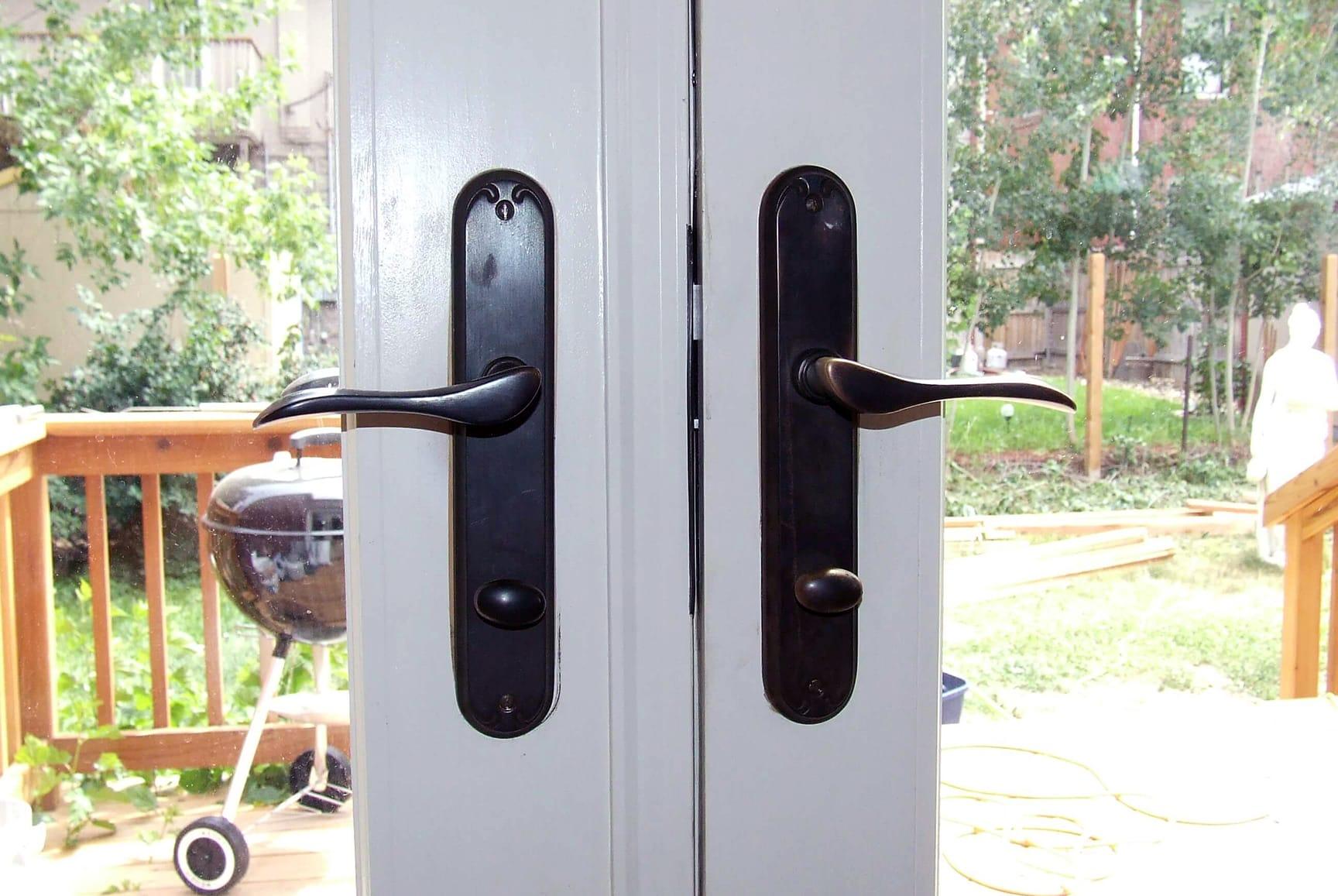
A sticky door handle can be frustrating, especially when it happens on a frequently used entry point. One of the most common issues homeowners face is a stiff or unresponsive uPVC door lever. Over time, what once worked smoothly can begin to resist movement, require extra force, or even jam completely.
Understanding why this happens and how to fix it can save both time and money, while also extending the life of your door mechanism.
This article explores the common reasons behind a faulty mechanism and provides practical solutions to restore smooth operation.
Understanding the Problem
A upvc door lever is designed to operate a multi-point locking system, which secures the door at several points along the frame. While this improves security and insulation, it also means more moving parts are involved. When even one component is out of alignment or poorly lubricated, the entire system can feel stiff or unresponsive.
Most issues start gradually. You might notice the handle becoming harder to lift or the latch not engaging smoothly. Ignoring these early signs often leads to complete sticking or failure.
Common Causes of a Sticky Mechanism
There are several reasons why an upvc door lever may become difficult to operate:
1. Misalignment of Door and Frame
One of the most frequent causes is door movement over time. Temperature changes, humidity, and regular use can cause the door or frame to shift slightly. Even a few millimeters of misalignment can put pressure on the locking points, making the handle stiff.
2. Lack of Lubrication
Internal components such as the gearbox, hooks, and locking points require occasional lubrication. Without it, friction increases, leading to resistance when operating the handle.
3. Worn or Damaged Mechanism
With years of use, internal springs or gears inside the lock can wear out. This wear can cause uneven movement or sticking when lifting or lowering the handle.
4. Handle Spring Failure
The spring inside the handle helps return it to its original position. If this spring weakens or breaks, the handle may feel loose, floppy, or stuck.
5. External Pressure on Door Frame
Poor installation or house movement can place continuous pressure on the locking system. This makes it harder for the mechanism to align correctly when the handle is used.
Fixing Misalignment Issues
When a UPVC door becomes stiff due to misalignment, the solution is often simpler than expected. Start by checking whether the door sits evenly in the frame. Look at the gaps around the edges—if they are uneven, adjustment is needed.
Most uPVC doors have hinge adjustment screws. By carefully adjusting these, you can raise, lower, or shift the door slightly left or right. The goal is to ensure that the locking points enter their keeps smoothly without force.
After adjusting, test the handle several times. If resistance decreases, alignment was likely the main issue.
Lubrication and Cleaning
If the problem is friction-related, lubrication can make a noticeable difference. A properly maintained UPVC door lever should move smoothly with minimal resistance.
Use a silicone-based spray or a graphite lubricant on the following areas:
· Locking strip along the edge of the door
· Key cylinder (if applicable)
· Moving parts inside the latch mechanism
Avoid using heavy oils like WD-40 long-term, as they can attract dust and create buildup over time.
Before applying the lubricant, wipe away any dirt or debris. A clean mechanism ensures the lubricant works effectively.
Addressing Internal Mechanism Wear
Sometimes, the issue is deeper within the locking system. If the handle feels inconsistent or partially jammed, internal wear may be the cause. In such cases, the gearbox inside the UPVC door lever may need repair or replacement.
Signs of internal wear include:
· Grinding sensation when lifting the handle
· Handle not fully engaging the lock
· Clicking or snapping noises during use
Replacing the gearbox or full locking strip is often more cost-effective than repeated minor repairs. This is usually a job for a professional, especially if the door is still under warranty.
Handle Spring and Hardware Issues
A broken or weakened spring can significantly affect performance. If the handle does not return to its normal horizontal position, the spring mechanism is likely failing.
In many cases, replacing the handle set is the easiest solution. Modern replacement kits are widely available and relatively simple to install with basic tools. Ensure you choose a compatible model to match your existing door system.
Preventative Maintenance Tips
Regular maintenance can prevent most issues from developing in the first place. A well-maintained upvc door lever will last significantly longer and operate more smoothly.
Here are some practical maintenance steps:
· Lubricate the locking mechanism twice a year
· Check door alignment seasonally, especially after extreme weather
· Clean dirt and dust from the frame and locking points
· Avoid forcing the handle if resistance is felt
· Tighten loose screws on hinges and handle plates
Small efforts like these help avoid costly repairs later.
When to Call a Professional
While many issues can be handled with basic tools, there are times when professional help is necessary. If an upvc door lever continues to stick even after lubrication and adjustment, the issue may involve internal breakage or structural misalignment of the frame itself.
A locksmith or door specialist can diagnose the problem accurately and replace damaged components without risking further damage to the door.
Final Thoughts
A sticky or stiff door handle is more than just an inconvenience—it can be an early warning sign of underlying mechanical issues. By understanding the causes and applying the right fixes, you can restore smooth operation and extend the lifespan of your door system.
Regular inspection, light maintenance, and timely repairs ensure that your door continues to function reliably, keeping your home secure and easy to access every day.

 English
 Arabic
 French
 Spanish
 Portuguese
 Deutsch
 Turkish
 Dutch
Dutch
 Italiano
 Russian
 Romaian
 Portuguese (Brazil)