


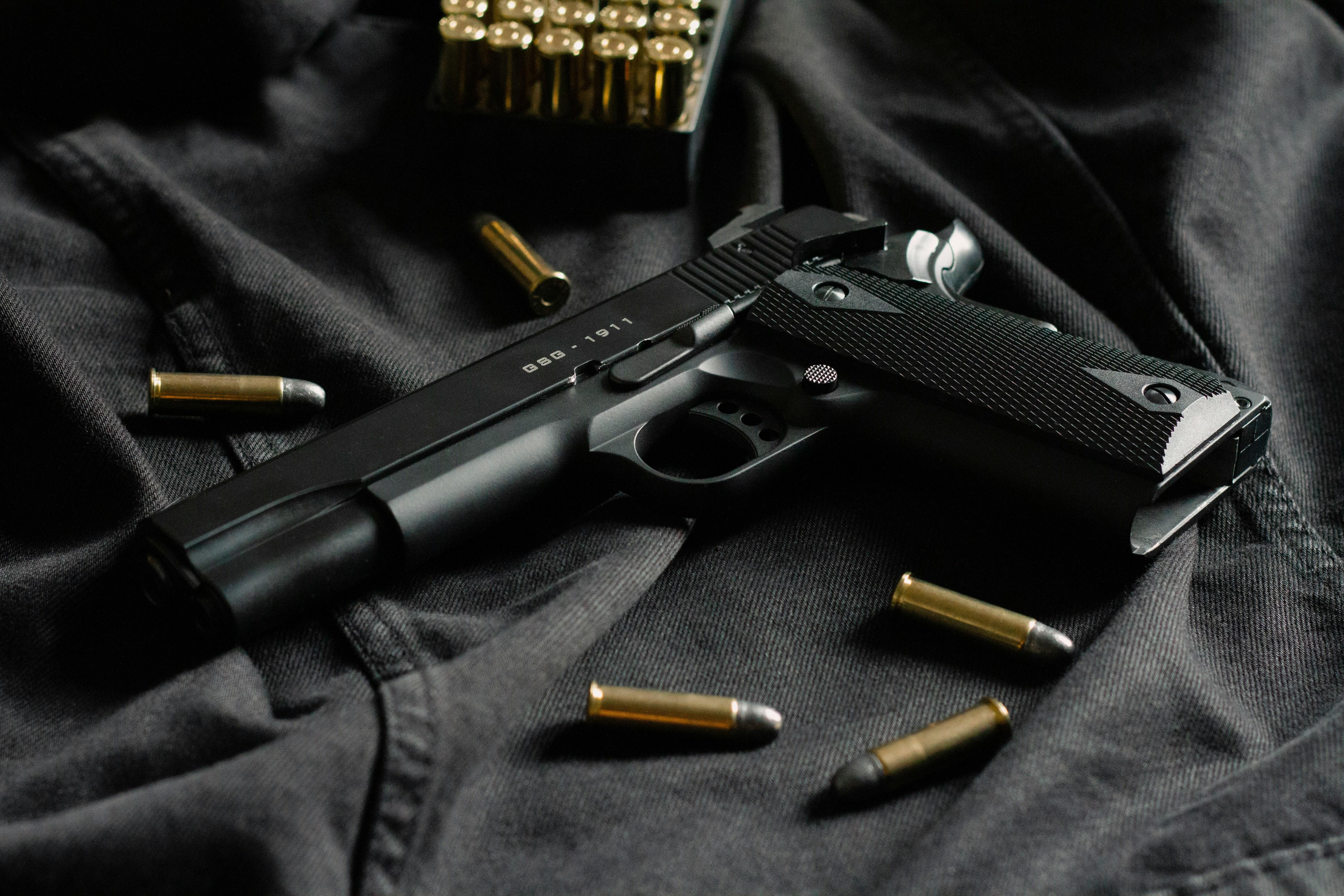
In the vast lexicon of American firearms, no name carries the weight of history quite like the Colt peacemaker. Officially designated as the Single Action Army (SAA) when it was adopted by the U.S. Cavalry in 1873, this revolver became the quintessential symbol of the American West. It was the tool of lawmen, outlaws, soldiers, and pioneers, and its mechanical simplicity combined with rugged reliability set a standard that has endured for over 150 years. For the modern enthusiast, owning an SAA is more than just purchasing a handgun; it is an act of curating history. However, for those looking to begin a collection, the most intimidating challenge is understanding the "Generations." To collect this firearm effectively, one must learn to navigate the distinct eras of its production, each marked by different manufacturing techniques, metallurgical standards, and collector values.
The First Generation: The Era of the Frontier (1873–1941)
The First Generation is the "Holy Grail" for most collectors. These are the revolvers that were actually present during the closing decades of the American frontier. Production began in 1873 and continued until 1941, just before Colt pivoted its entire manufacturing might toward the war effort.
Identifying a First Generation revolver is an education in metallurgy. Early specimens, often referred to as "Black Powder" models (serial numbers below 192,000), were designed to handle the lower pressures of black powder cartridges. They feature a cylinder pin held in place by a screw rather than the later "cross-pin" spring-loaded release. As the 20th century dawned and smokeless powder became the industry standard, Colt hardened the frames and refined the steel to handle these higher pressures.
Collectors prize these guns for their "personality." Because they were hand-fitted, no two are exactly alike. You will see variations in the case-hardened finish of the frame, the quality of the bluing on the barrel, and the intricate checkering on the grips. However, because these guns were often used in harsh environments, finding one in high-original-condition (with 90% or more of its original finish) is rare and can command prices in the tens, if not hundreds, of thousands of dollars.
The Second Generation: The Post-War Resurrection (1956–1974)
After the Second World War, the popularity of Western films surged, and with it, a renewed public fascination with the Old West. Colt realized they had left a void in the market and, in 1956, resumed production of the SAA. This marked the beginning of the Second Generation.
These revolvers are often considered the best "shooters" in the lineage. By the mid-1950s, manufacturing technology had advanced significantly. The Second Generation utilized better steel and more consistent heat-treating processes than the originals, making them safer and more durable for use with modern, commercially available smokeless ammunition.
From a collector’s standpoint, the Second Generation is highly attractive because these guns represent a bridge between the historical craftsmanship of the past and the precision engineering of the modern era. Many of these models were produced with a level of fit and finish that rivals the custom-shop work of today. If you are looking for a Colt peacemaker that you can take to the range and enjoy without the heart-stopping fear of damaging a rare 19th-century antique, the Second Generation is the sweet spot. They are still vintage, still "real" Colts, but they are built to a standard that inspires confidence under fire.
The Third Generation: Modern Precision (1976–Present)
The Third Generation began in 1976 and continues to the present day. These revolvers are the product of modern CNC machining and advanced metallurgical techniques. Some collectors are initially hesitant about the Third Generation because of the shift away from the "hand-fitted" nature of the earlier models, but this perspective is changing as the quality of current production has reached new heights.
A notable feature of the Third Generation is the wide variety of special editions, commemorative models, and custom-shop variations that have been released over the last 50 years. Colt has leaned into the collector market, offering different barrel lengths, finishes, and engraving patterns that weren't as readily available in the 19th century.
Furthermore, the Third Generation revolvers are arguably the most accurate out of the box. Modern rifling techniques and tightened tolerances mean that these guns are capable of surprising precision. If your primary goal as a collector is to have a revolver that celebrates the SAA platform while providing a contemporary shooting experience, the Third Generation offers a level of value that is hard to ignore.
Navigating the Collector’s Market: What to Look For
Regardless of which generation you are pursuing, there are three universal rules to follow when evaluating a potential purchase:
-
Check the "Clicks": A proper SAA should cycle through four distinct audible clicks as you pull the hammer back: C-O-L-T. These represent the safety notch, loading notch, half-cock, and full-cock. If these clicks are absent or "mushy," it is a sign of internal wear or bad timing, which can be expensive to repair.
-
Verify the Finish: "Refinished" is a dirty word in the collector world. Many old Colts were re-blued by local gunsmiths in the mid-20th century. While they may look shiny, they lose the vast majority of their collector value. Look for "soft" edges on the stampings—if the letters are shallow or blurry, the gun has likely been polished and refinished.
-
Provenance is Everything: Always try to buy revolvers that come with historical documentation. Whether it’s an original box (for later generations) or a factory letter from Colt verifying the original configuration, documentation is the difference between a generic revolver and an investment-grade asset.
The Evolution of the "Peacemaker" Caliber
The history of the SAA is also the history of the .45 Colt cartridge. Originally, the SAA was synonymous with the long-case .45 Colt. Over the generations, it was chambered in everything from .44-40 and .38-40 to the modern .357 Magnum.
When collecting, be mindful of the caliber's impact on value. The original .45 Colt and the classic .44-40 are generally the most desirable. If you are buying a Third Generation, you will find many more options in .357 Magnum, which is excellent for shooters because of ammunition availability, but it does not carry the same "traditionalist" weight as the .45. Your choice should depend on whether you are building a collection based on historical accuracy or functional shooting versatility.
The Role of the Custom Shop
One of the most exciting aspects of modern SAA collecting is the Colt Custom Shop. Throughout the Third Generation, the Custom Shop has produced revolvers with bespoke features: ivory grips, master-grade engraving, and custom-tuned actions. These are not merely firearms; they are functional art.
If you find a Third Generation piece that originated from the Custom Shop, it can command a premium price and is often a better investment than a standard production model. Look for the specific factory markings or documentation that denote Custom Shop work. These pieces highlight the zenith of what is possible when modern manufacturing meets the artisan's touch.
Maintenance: Preserving the Legacy
Owning a legendary firearm brings with it the responsibility of stewardship. These revolvers, regardless of their generation, require a specific maintenance approach. Because of the case-hardened frame—a process that creates the beautiful, swirling colors on the metal—you must be careful with cleaning solvents. Harsh chemicals can strip that finish or cause it to discolor over time.
Use only high-quality, acid-free gun oils and non-abrasive cleaning cloths. Also, avoid dry-firing the revolver excessively. While the design is robust, the internal sear engagement is a precision mechanism; constant dry-firing can cause premature wear that ruins the "four-click" crispness of the trigger. When you store your revolver, ensure it is in a climate-controlled safe and, if possible, in a high-quality silicone-treated gun sock to prevent moisture accumulation.
The Collector’s Journey
Collecting these revolvers is a journey that changes as you learn more. You might start out wanting a representative example of each generation, but you will soon find yourself pulled into the niche world of specialized barrels, rare factory grips, or the fascinating history of specific serial number blocks.
It is a pursuit that encourages research, patience, and a keen eye for detail. The SAA is a firearm that rewards the curious. Every scratch, every worn spot on the grips, and every faded bluing mark is a story. You are not just owning a machine; you are holding a physical connection to a past that helped shape the modern world.
Conclusion: A Lifetime of Discovery
Whether you are drawn to the rugged, frontier-worn patina of a First Generation antique, the reliable performance of a Second Generation classic, or the modern precision of a Third Generation masterpiece, the SAA remains the crown jewel of the firearms world. It is the platform that defined what a handgun could be, and it continues to define the passion of collectors around the globe.
As you embark on your search for the perfect addition to your safe, remember that the best collection is built on knowledge. Never rush a purchase, and always lean on the expertise of those who have spent a lifetime studying these beautiful machines. For the most comprehensive database of historical information, verified reviews, and a community of experts who understand the nuances of every generation, GunsAmerica is your essential partner in this pursuit. Their resources will help you navigate the complexities of the market, ensuring that the piece you choose today will be a cherished part of your collection for generations to come.

 English
 Arabic
 French
 Spanish
 Portuguese
 Deutsch
 Turkish
 Dutch
Dutch
 Italiano
 Russian
 Romaian
 Portuguese (Brazil)