


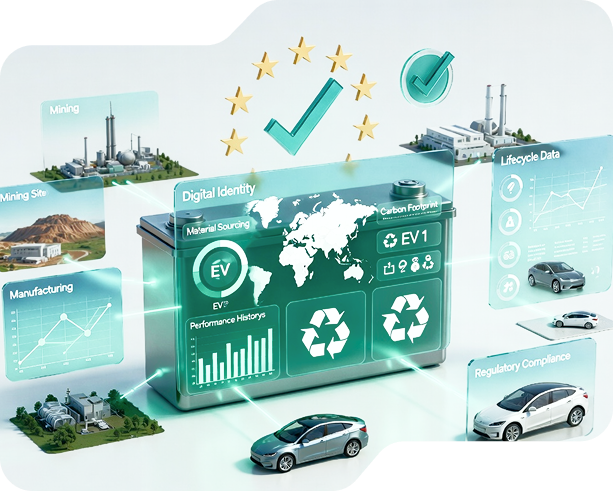
In an era driven by sustainability and transparency, digital battery passport solutions are emerging as a transformative force in the global energy and manufacturing landscape. As industries shift toward electrification—especially in electric vehicles (EVs) and renewable energy storage—the need for accurate, traceable, and compliant battery data has never been more critical. A digital battery passport is not just a regulatory requirement; it is a strategic tool that unlocks visibility, accountability, and long-term value across the battery lifecycle.
What Is a Digital Battery Passport?
A Digital Battery Passport is a structured digital record that captures comprehensive information about a battery throughout its lifecycle—from raw material sourcing to manufacturing, usage, reuse, and recycling. This includes data such as carbon footprint, material composition, performance metrics, and end-of-life handling.
With increasing regulatory pressure, particularly from regions like the European Union, companies are being pushed to adopt systems that ensure transparency and sustainability. Digital battery passports help manufacturers and stakeholders meet these expectations while also building trust with consumers and partners.
Why Digital Battery Passport Solutions Matter
The rise of electric mobility and energy storage has created complex supply chains that span multiple geographies and stakeholders. Without proper tracking, it becomes difficult to verify the origin of materials, ensure ethical sourcing, or assess environmental impact.
This is where digital battery passport solutions play a crucial role. They enable:
-
End-to-end visibility across the battery lifecycle
-
Improved sustainability reporting
-
Efficient recycling and reuse processes
-
Regulatory compliance with global standards
-
Enhanced consumer trust and brand credibility
By digitizing battery data, organizations can move from fragmented systems to a unified, transparent ecosystem.
The Role of Battery Traceability Solutions
Battery traceability solutions are at the heart of any effective digital passport system. These solutions ensure that every component and process involved in battery production is recorded and verifiable.
From mining raw materials like lithium and cobalt to assembling battery cells and deploying them in EVs, traceability systems create a digital thread that connects every stage. This not only helps in identifying inefficiencies but also ensures accountability in case of defects or recalls.
A robust Battery Traceability System leverages technologies such as IoT, blockchain, and cloud computing to capture real-time data. This data is then stored securely and made accessible to authorized stakeholders, ensuring both transparency and data integrity.
Achieving Digital Battery Passport Compliance
Compliance is one of the primary drivers behind the adoption of digital battery passports. Regulatory frameworks are evolving rapidly, with strict requirements around data disclosure, carbon footprint reporting, and recycling efficiency.
Digital Battery Passport compliance ensures that organizations adhere to these regulations without disrupting their operations. By implementing standardized data formats and interoperable systems, companies can streamline compliance processes and reduce the risk of penalties.
Moreover, compliance is not just about meeting legal requirements—it also opens doors to new markets and partnerships. Companies that demonstrate transparency and sustainability are more likely to gain a competitive edge in today’s environmentally conscious economy.
Building the Right Battery Passport Platform
To fully leverage the benefits of digital battery passports, organizations need a scalable and flexible platform. Battery Passport Platform Development involves creating a digital infrastructure that can handle large volumes of data, integrate with existing systems, and adapt to evolving regulations.
Key features of an effective platform include:
-
Data standardization and interoperability
-
Secure data storage and sharing mechanisms
-
User-friendly interfaces for stakeholders
-
Integration with IoT devices and enterprise systems
-
Advanced analytics and reporting capabilities
Such platforms act as a central hub where all battery-related data is collected, processed, and shared. They enable collaboration among manufacturers, suppliers, regulators, and recyclers, creating a cohesive ecosystem.
The Importance of Battery Passport Development Solutions
Implementing a digital battery passport is not a one-size-fits-all process. Different industries and organizations have unique requirements, which is why customized battery passport development solutions are essential.
These solutions involve:
-
Assessing organizational needs and regulatory requirements
-
Designing tailored data models and workflows
-
Integrating with existing IT infrastructure
-
Ensuring scalability for future growth
-
Providing ongoing support and updates
By adopting the right development approach, companies can ensure a smooth transition to digital systems while maximizing ROI.
Real-World Applications and Benefits
Digital battery passports are already making an impact across various sectors:
1. Electric Vehicles (EVs)
Automakers use digital passports to track battery performance, ensure safety, and facilitate second-life applications. This not only reduces waste but also enhances vehicle resale value.
2. Energy Storage Systems
Utility companies leverage battery passports to monitor large-scale storage systems, optimize performance, and plan maintenance activities.
3. Recycling and Circular Economy
Recyclers use passport data to identify material composition and determine the most efficient recycling methods. This supports the transition to a circular economy.
4. Supply Chain Transparency
Manufacturers gain insights into their supply chains, ensuring ethical sourcing and reducing environmental impact.
Challenges in Implementation
Despite their benefits, implementing digital battery passport solutions comes with challenges:
-
Data standardization issues across different stakeholders
-
High initial investment in technology and infrastructure
-
Integration complexities with legacy systems
-
Data privacy and security concerns
However, these challenges can be mitigated with the right strategy, technology partners, and phased implementation approach.
The Future of Digital Battery Passports
The future of digital battery passports is closely tied to advancements in technology and regulatory frameworks. As artificial intelligence, blockchain, and IoT continue to evolve, digital passports will become more intelligent, automated, and secure.
We can expect:
-
Real-time data tracking and predictive analytics
-
Global standardization of battery data formats
-
Increased collaboration across industries
-
Greater emphasis on sustainability and circular economy
In the long run, digital battery passports will not just be a compliance tool but a cornerstone of sustainable innovation.
Getting Started Today
For organizations looking to adopt digital battery passport solutions, the journey begins with understanding their current capabilities and identifying gaps. Partnering with experienced technology providers can accelerate implementation and ensure success.
Key steps include:
-
Conducting a readiness assessment
-
Defining data requirements and compliance goals
-
Selecting the right technology stack
-
Developing and deploying the platform
-
Continuously monitoring and improving the system
By taking a proactive approach, companies can stay ahead of regulations and position themselves as leaders in sustainability.
Conclusion
Unlocking digital battery passport solutions today is not just a technological upgrade—it is a strategic move toward a more transparent, sustainable, and efficient future. As industries continue to embrace electrification, the importance of traceability, compliance, and data-driven decision-making will only grow.
By investing in the right tools, platforms, and development strategies, organizations can turn regulatory challenges into opportunities for innovation and growth. The journey may be complex, but the rewards—both environmental and economic—are well worth the effort.

 English
 Arabic
 French
 Spanish
 Deutsch
 Turkish
 Dutch
Dutch
 Italiano
 Russian
 Romaian
 Portuguese (Brazil)
 Tiếng Việt