


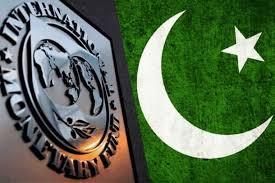
The recurring narrative of IMF bailout to Pakistan continues to dominate global economic discourse, reflecting the country's persistent macroeconomic vulnerabilities and structural imbalances. Over the decades, Pakistan has repeatedly approached the International Monetary Fund (IMF) for financial assistance, raising critical questions about the sustainability of its economic policies and the long-term effectiveness of such bailouts.
Understanding the IMF Bailout to Pakistan
An IMF bailout Pakistan program typically involves financial assistance aimed at stabilizing the country's balance of payments, strengthening foreign exchange reserves, and restoring investor confidence. However, these bailouts are not unconditional. The IMF requires stringent reforms, including fiscal consolidation, monetary tightening, and structural adjustments that often have wide-ranging socio-economic implications.
Pakistan’s reliance on IMF bailout programs stems from chronic issues such as a narrow tax base, high fiscal deficits, declining exports, and rising external debt. These factors collectively weaken the country’s economic resilience, making external support a recurring necessity rather than a one-time solution.
Historical Context of IMF Bailouts in Pakistan
Pakistan has entered into multiple IMF programs since the late 20th century, highlighting a pattern of economic dependency. Each IMF bailout Pakistan arrangement has aimed to address immediate financial crises, yet the underlying structural weaknesses often remain unresolved.
The cyclical nature of these bailouts suggests that while IMF support provides short-term relief, it does not always translate into long-term economic stability. Political instability, policy discontinuity, and limited institutional capacity further exacerbate the challenges of implementing IMF-mandated reforms effectively.
Key Conditions and Economic Reforms
A central aspect of any IMF bailout to Pakistan is the implementation of structural reforms. These typically include:
- Increasing tax revenues through broadening the tax base
- Reducing subsidies, particularly in energy sectors
- Allowing currency depreciation to correct external imbalances
- Enhancing transparency and governance in public institutions
While these measures are designed to stabilize the economy, they often lead to short-term hardships for the population, including inflationary pressures and reduced public spending on social sectors.
Economic Implications of IMF Bailout Pakistan Programs
The immediate impact of an IMF bailout Pakistan program is often seen in improved foreign exchange reserves and stabilized currency markets. However, the medium to long-term effects are more complex.
On one hand, adherence to IMF conditions can lead to improved fiscal discipline and better economic management. On the other hand, austerity measures can slow economic growth and increase unemployment, particularly in vulnerable sectors.
Moreover, repeated reliance on IMF bailouts may signal economic fragility to global investors, potentially affecting foreign direct investment and credit ratings.
Geopolitical Dimensions
The IMF bailout to Pakistan also carries significant geopolitical implications. Given Pakistan’s strategic location and its relationships with major global powers, IMF decisions are often viewed through a geopolitical lens.
Financial assistance from the IMF can influence Pakistan’s foreign policy choices and economic alignments, particularly in relation to countries such as China, the United States, and Gulf nations. This adds another layer of complexity to the already intricate economic landscape.
Challenges in Breaking the Bailout Cycle
One of the most pressing concerns is Pakistan’s inability to break free from the cycle of IMF bailouts. Structural issues such as low productivity, energy shortages, and weak export competitiveness continue to hinder sustainable growth.
Additionally, political economy constraints often limit the government’s ability to implement difficult reforms. Public resistance to austerity measures and lack of consensus among political stakeholders further complicate the reform process.
The Way Forward
To reduce dependence on IMF bailout Pakistan programs, a comprehensive and sustained reform strategy is essential. This includes:
- Strengthening domestic resource mobilization
- Promoting export diversification and industrial growth
- Investing in human capital and infrastructure
- Enhancing institutional capacity and governance
A long-term vision focused on economic resilience and self-reliance can help Pakistan transition from crisis-driven policymaking to sustainable development.
Conclusion
The IMF bailout to Pakistan remains a double-edged sword. While it provides crucial financial support during times of crisis, it also underscores the country’s ongoing economic challenges. For Pakistan, the real test lies not in securing the next bailout, but in implementing reforms that ensure it no longer needs one.
Achieving this goal will require political will, institutional strength, and a commitment to long-term economic stability over short-term gains.

 English
 Arabic
 French
 Spanish
 Portuguese
 Deutsch
 Turkish
 Dutch
Dutch
 Italiano
 Russian
 Romaian
 Portuguese (Brazil)