


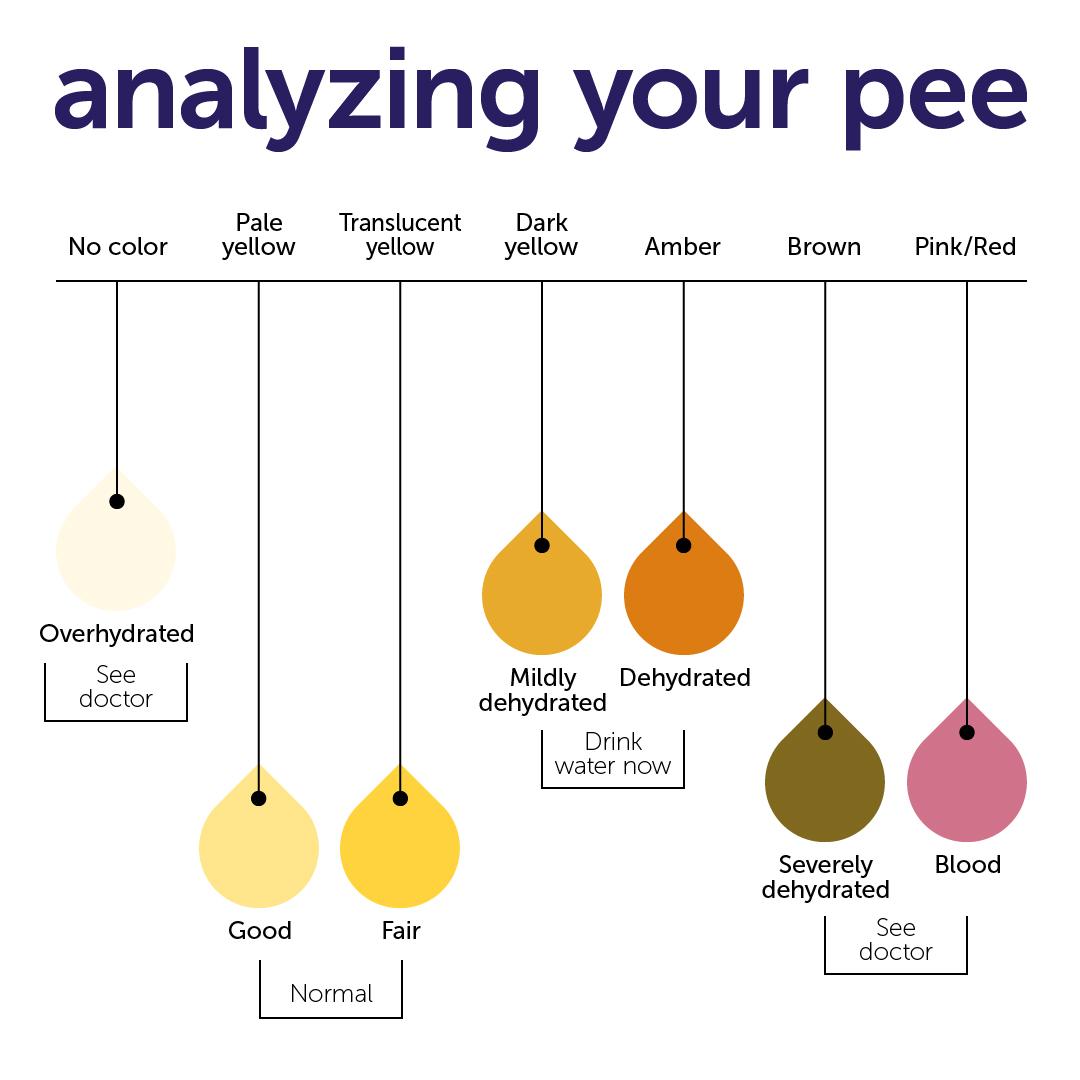
Pink urine can be surprising but it’s not always a sign of something serious. In fact, there are several harmless and temporary reasons your pee might take on a pink tint. Understanding the possible causes can help you stay calm, identify when it’s nothing to worry about, and recognize when it’s time to check with a doctor.
Below is a comprehensive look at common causes of pink urine that won’t freak you out, along with practical insights into what’s happening inside your body.
1. Foods That Naturally Change Urine Color
One of the most common and completely harmless reasons for pink urine is your diet.
Beets (Beeturia)
Eating beets can cause a condition known as beeturia, where your urine turns pink or reddish. This happens because of pigments called betalains that aren’t fully broken down during digestion.
- More noticeable if you have low stomach acid or iron deficiency
- Usually resolves within 24-48 hours
Berries and Rhubarb
Foods like blackberries, blueberries, and rhubarb can also tint urine pinkish, especially when eaten in large quantities.
Key takeaway: If you recently ate colorful foods, your urine color change is likely harmless.
2. Medications That Affect Urine Color
Certain medications can change urine color as a side effect. While this might look alarming, it’s often expected and temporary.
Common examples include:
- Some antibiotics
- Laxatives containing senna
- Medications for urinary tract symptoms
Even antiparasitic drugs like nitazoxanide 500mg can sometimes influence bodily fluids, although pink urine is not a primary effect. Still, any medication can interact differently depending on your metabolism and hydration.
Tip: Always check the medication leaflet or consult your pharmacist if you notice unusual urine color after starting a new drug.
3. Mild Dehydration
When you’re not drinking enough water, your urine becomes more concentrated. While dehydration usually causes darker yellow urine, it can sometimes appear slightly pinkish if combined with other factors like diet or minor irritation.
Signs of dehydration:
- Darker urine overall
- Dry mouth
- Fatigue
Solution: Increase water intake and observe if the color returns to normal.
4. Intense Exercise
Strenuous physical activity especially long-distance running or heavy workouts can sometimes lead to pink or reddish urine.
This happens due to:
- Minor breakdown of red blood cells
- Temporary stress on the bladder
This is often referred to as exercise-induced hematuria and typically resolves within a day or two after rest.
When it’s harmless:
- Happens after intense workouts
- No pain or other symptoms
- Clears quickly
5. Menstrual Contamination
For people who menstruate, pink urine can simply be due to menstrual blood mixing with urine. This is very common and not a urinary issue at all.
How to tell:
- Occurs during your period
- No pain while urinating
- Urine looks normal outside of menstruation
6. Mild Urinary Tract Irritation
Sometimes, slight irritation in the urinary tract can cause a faint pink color. This doesn’t always mean a full infection.
Possible triggers:
- Holding urine too long
- Minor friction or dehydration
- Recent sexual activity
If there are no other symptoms (like burning or urgency), it may resolve on its own.
7. Vitamin Supplements
Certain vitamins especially high doses of vitamin C or B-complex can alter urine color. While they more commonly turn urine bright yellow or orange, subtle pinkish hues can occasionally appear depending on how your body processes them.
Important: This is typically harmless and related to excess vitamins being excreted.
8. Artificial Food Coloring
Processed foods, candies, and drinks with strong red dyes can temporarily tint urine pink.
Examples include:
- Colored sodas
- Candy or desserts with red dye
- Sports drinks
This effect is short-lived and disappears once the dye is cleared from your system.
9. When It Might Be More Than Harmless
While many causes of pink urine are benign, it’s important to recognize when it might need medical attention.
Watch for these warning signs:
- Persistent pink or red urine (more than 2–3 days)
- Pain while urinating
- Fever or chills
- Back or abdominal pain
- Blood clots in urine
These could indicate:
- Urinary tract infection (UTI)
- Kidney stones
- Other underlying conditions
If you notice these symptoms, consult a healthcare professional promptly.
10. How to Monitor and Respond
If you notice pink urine, here’s a simple approach:
Step 1: Think about recent changes
- What did you eat?
- Did you start a new medication (like nitazoxanide 500mg)?
- Have you exercised intensely?
Step 2: Hydrate
Drink plenty of water and observe changes over the next 24 hours.
Step 3: Watch for symptoms
If there’s no pain or discomfort and the color fades, it’s likely harmless.
Step 4: Seek help if needed
Persistent or symptomatic cases should be evaluated by a doctor.
Final Thoughts
Seeing pink urine can be startling, but in many cases, it’s linked to everyday factors like food, hydration, or mild physical stress. From beet consumption to medications such as nitazoxanide 500mg, there are several explanations that don’t point to anything serious.
The key is awareness: understanding your body, recognizing patterns, and knowing when something is out of the ordinary. When in doubt, a quick medical check can provide reassurance and rule out any underlying issues.
In most situations, though, pink urine is just your body’s temporary and harmless way of reacting to what you’ve consumed or experienced.

 Arabic
 French
 Spanish
 Portuguese
 Deutsch
 Turkish
 Dutch
Dutch
 Italiano
 Russian
 Romaian
 Portuguese (Brazil)
 Tiếng Việt