


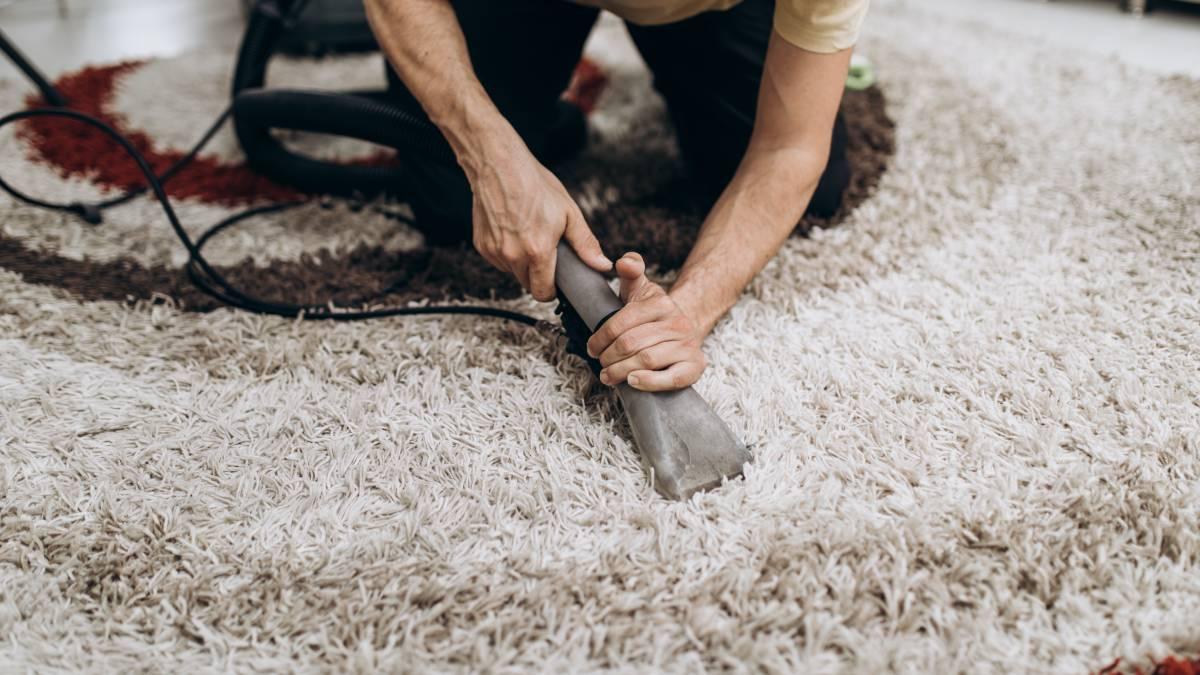
You have just invested in beautiful new carpets. They look perfect. The colours are vibrant. The fibres are plush. You want them to stay that way. But here is a truth most carpet stores do not tell you: new carpets often get dirty faster than old ones. Without the right protection and care, that brand-new look can fade within months. This Carpet cleaning Manchester guide explains why new carpets are vulnerable and how to protect your investment from day one.
The Sale Disappointment: A New Carpet That Looked Old in Six Months
A homeowner in Sale installed beautiful new cream carpet in her living room. She spent thousands. She was thrilled. She vacuumed weekly and was careful with spills. Six months later, the carpet looked dull and grey. Dark traffic lanes were already appearing. She was devastated.
She called Steam Clean Expert-Carpet & Upholstery LTD for help. The technician explained that new carpets have untreated fibres that attract and hold soil. Without a stain protector, soil bonds directly to the fibres. The dark lanes were not wear—they were embedded soil. He applied a professional-grade stain protector and performed a hot water extraction. The carpet looked new again. He explained that protector needs to be applied immediately after installation—not months later. She learned that new carpets need protection from day one.
The Science: Why New Carpets Are Vulnerable
New carpets are not born stain-resistant. Most require treatment to reach their full protective potential.
The Problem with New Carpet Fibres:
| Fibre Type | Natural Soil Resistance | Needs Protector? |
|---|---|---|
| Nylon | Low (attracts oil-based soil) | Yes |
| Polyester | Medium (some natural resistance) | Recommended |
| Wool | Medium-high (natural lanolin) | Optional but helpful |
| Olefin (Polypropylene) | High (solution-dyed) | Less critical |
| Triexta | Medium-high (inherent stain resistance) | Recommended |
Why New Carpets Get Dirty Fast:
-
Untreated fibres have no barrier against soil
-
Manufacturing residues (oils, lubricants) attract dirt
-
Static electricity in new synthetic fibres pulls soil from the air
-
No existing soil layer (sounds good, but a light soil layer actually hides new soil)
-
High contrast between clean fibres and any soil makes dirt more visible
The First Six Months Are Critical:
The initial period after installation is when your carpet is most vulnerable. Soil that embeds during this time can become permanent. Protection applied immediately can prevent this.
The Protector Solution: Your Carpet's Invisible Shield
Stain protector (like Scotchgard or similar products) creates an invisible barrier around each carpet fibre.
What Protector Does:
-
Repels liquid spills (beads up on the surface)
-
Prevents soil from bonding to fibres
-
Makes vacuuming more effective (soil stays on top)
-
Extends time between professional cleanings
-
Adds 1-3 years to carpet life
How Protector Works:
Protector molecules bond to each carpet fibre, creating a microscopic shield. Liquids cannot penetrate. Soil cannot stick. When you vacuum, soil lifts off easily because it is not bonded to the fibre.
Professional vs. DIY Protector:
| Factor | Professional Application | DIY Spray |
|---|---|---|
| Coverage | Even, complete | Often spotty |
| Bonding | Strong (professional-grade formula) | Weaker (consumer formula) |
| Longevity | 12-24 months | 3-6 months |
| Cost | Higher upfront | Lower upfront |
| Value | Better long-term | May need frequent reapplication |
The New Carpet Protection Plan: First 12 Months
Here is your complete protection plan for the critical first year of your carpet's life.
Month 1: Installation Week
Day 1 (Installation Day):
-
Allow carpets to acclimate to room temperature
-
Do not walk on carpets for 2-3 hours after installation (adhesives need to set)
Days 2-7 (First Week):
-
Vacuum thoroughly (slow passes, two directions) to remove manufacturing residue
-
Schedule professional stain protector application (do not wait)
-
Place doormats at every entrance (scraper outside, absorbent inside)
-
Implement "no shoes" policy from day one
Why This Matters:
The first week sets the foundation. Protector applied now will prevent soil from ever bonding to fibres. Shoes banned now will become habit.
Months 1-3: The Establishment Period
Ongoing Habits:
-
Vacuum twice weekly (high-traffic areas daily if possible)
-
Rotate furniture slightly every month (prevents early traffic lanes)
-
Spot-clean spills immediately (blot, never rub)
-
Keep pets off carpets until protector is fully cured (about 1 week)
What to Watch For:
-
Any spills that bead up (protector is working)
-
Any areas where protector may have been missed (consult your installer)
-
Traffic patterns developing (rearrange furniture if needed)
Months 3-6: The Testing Period
Maintenance:
-
Continue twice-weekly vacuuming
-
Schedule first professional cleaning? Not yet (carpets are still new)
-
Inspect protector effectiveness (liquids should still bead)
What to Expect:
-
Protector begins to wear in high-traffic areas
-
This is normal and expected
-
Plan for reapplication at 12-18 months
Months 6-12: The Maintenance Period
Actions:
-
Continue regular vacuuming
-
Schedule professional cleaning at month 10-12 (before protector fully wears)
-
Have protector reapplied after professional cleaning
-
Assess any high-wear areas and adjust furniture placement
The First Professional Clean:
The first professional cleaning should occur at 10-12 months, not earlier (unless major spills occur). This timing allows the original protector to do its job while preventing soil buildup.
Common New Carpet Mistakes
Avoid these mistakes that shorten the life of new carpets.
Mistake 1: Delaying Protector Application
Waiting weeks or months to apply protector allows soil to bond to untreated fibres. Once bonded, protector cannot lift embedded soil. Apply protector immediately after installation.
Mistake 2: Using Scented Powders
Scented carpet powders leave residue that clogs protector and attracts dirt. The powder's absorbents can also dry out fibres. Use plain baking soda if odour control is needed.
Mistake 3: Over-Wetting with Rental Machines
New carpets are especially vulnerable to over-wetting. The backing and adhesives need time to cure. Excess moisture can cause delamination (backing separating from fibres). Use professional cleaning only.
Mistake 4: Ignoring Spills
New, untreated carpets absorb spills instantly. Even with protector, spills should be blotted immediately. Leaving spills gives them time to penetrate the protector and stain fibres.
Mistake 5: Vacuuming Too Quickly
Fast vacuuming leaves soil behind. That soil embeds and damages fibres. New carpets need slow, thorough vacuuming to remove manufacturing residue and loose fibres.
Professional Cleaning for New Carpets
Many new carpet warranties require professional cleaning within 12-18 months. Read your warranty carefully.
What Professionals Do for New Carpets:
| Service | Purpose | Timing |
|---|---|---|
| Initial protector application | Prevents soil bonding | Within days of installation |
| First professional clean | Removes accumulated soil, reapplies protector | 10-12 months after installation |
| Ongoing maintenance | Regular cleaning and protector reapplication | Every 12-24 months thereafter |
What to Ask Your Installer:
-
"Does this carpet come with factory-applied protector?" (some do, some do not)
-
"What is the warranty requirement for professional cleaning?"
-
"Do you recommend immediate protector application?"
-
"How long should I wait before first professional clean?"
Real-World Applications: New Carpet Success
Steam Clean Expert-Carpet & Upholstery LTD offers a "new carpet protection package" for Manchester homeowners. The package includes:
-
Pre-installation consultation (carpet selection advice)
-
Post-installation protector application (within 48 hours)
-
First professional clean at month 10-12
-
Protector reapplication after cleaning
-
Warranty documentation and receipt storage
The company reports that customers who follow the new carpet protection plan have carpets that look new for 3-5 years—compared to 6-12 months for unprotected carpets.
Case Study: The Protected vs. Unprotected Comparison
Two neighbours in Stockport installed identical carpets on the same day. One used the protection plan. One did not. After two years, the protected carpet looked nearly new. The unprotected carpet had dark traffic lanes, dull colour, and noticeable wear. The unprotected neighbour was already planning replacement. The protected neighbour expected another 5-7 years of good use.
Frequently Asked Questions About New Carpets
Do all new carpets need stain protector?
Most synthetic carpets benefit significantly from protector. Some carpets come with factory-applied protector, but it is often lighter than professional-grade application. Check with your installer.
How soon after installation can I apply protector?
Within 24-48 hours, after carpets have been vacuumed to remove manufacturing residue. Some protectors can be applied immediately after vacuuming.
Will protector change the feel of my carpet?
Quality professional-grade protector is invisible and does not change texture. Cheap DIY sprays can leave a slightly stiff feeling. Choose professional application for best results.
How long does factory-applied protector last?
6-12 months, depending on traffic. Factory protector is typically lighter than professional after-market application. Plan to reapply at 12 months.
Summary
New carpets are vulnerable to rapid soiling without proper protection. Manufacturing residues, untreated fibres, and static electricity all attract dirt. Professional-grade stain protector applied immediately after installation creates an invisible shield that repels soil and liquids. Combine protector with no-shoe policies, doormats, slow vacuuming, and a first professional clean at 10-12 months. For Manchester homeowners investing in new floors, proper Carpet cleaning Manchester protection from day one keeps new carpets looking new for years.

 English
 Arabic
 French
 Spanish
 Portuguese
 Deutsch
 Turkish
 Dutch
Dutch
 Italiano
 Russian
 Portuguese (Brazil)
 Tiếng Việt