


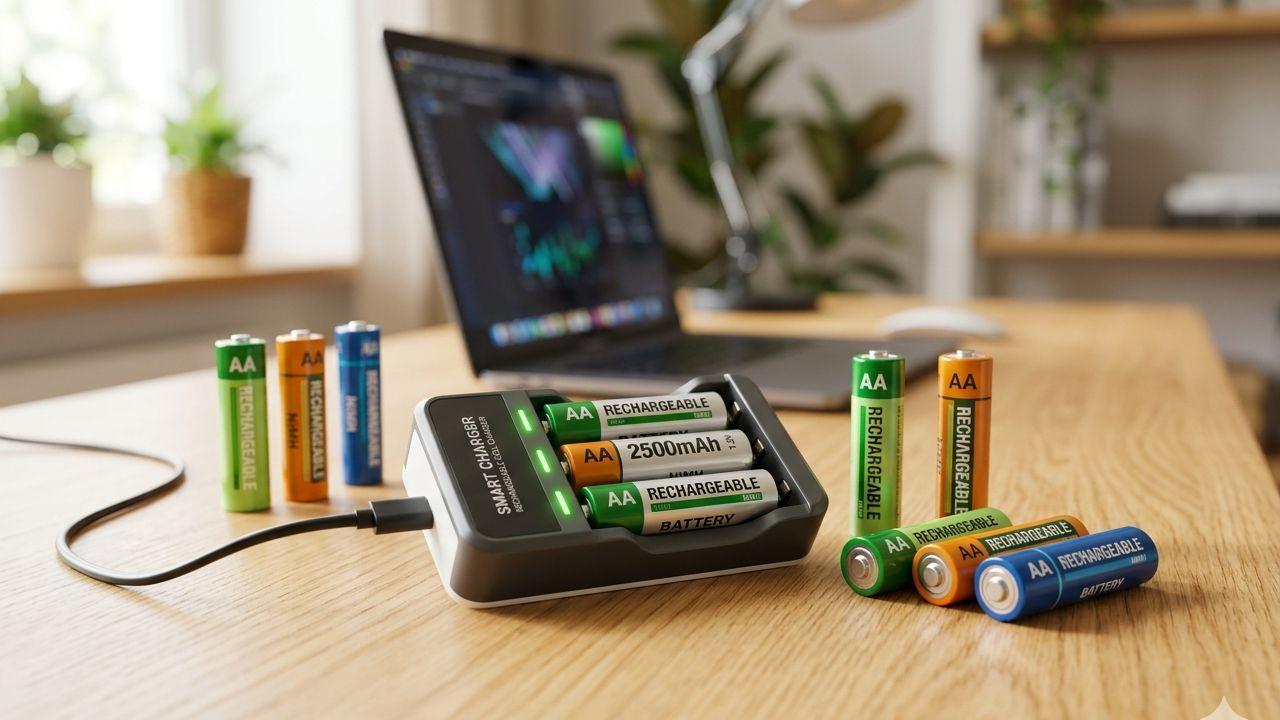
In today’s fast-paced world, where gadgets and portable devices dominate daily life, power sources have become more critical than ever. Among these power sources, rechargeable cells stand out for their efficiency, cost-effectiveness, and sustainability. But what exactly is a rechargeable cell, how does it work, and why should you consider using one over a disposable battery? This article provides a comprehensive overview, highlighting the science, applications, and benefits of rechargeable cells.
Understanding Rechargeable Cells
A rechargeable cell, also known as a secondary cell, is a type of electrochemical cell that can be recharged and used multiple times. Unlike primary cells (disposable batteries), which are meant for single use, rechargeable cells allow energy to be stored and restored through a chemical reaction.
At its core, a rechargeable cell converts chemical energy into electrical energy and vice versa. When a device uses the battery, a chemical reaction produces electrons that flow through a circuit, providing power. When recharging, an external power source reverses this chemical reaction, restoring the cell’s energy.
Common types of rechargeable cells include:
- Nickel-Cadmium (NiCd) – Known for high discharge rates and durability but prone to memory effect, which reduces capacity if not fully discharged before recharging.
- Nickel-Metal Hydride (NiMH) – Offers higher capacity than NiCd and is more environmentally friendly. Often used in digital cameras and cordless phones.
- Lithium-Ion (Li-ion) – Popular in smartphones, laptops, and electric vehicles due to high energy density, low self-discharge, and longer lifespan.
- Lithium-Polymer (Li-Po) – Lightweight and flexible, commonly used in drones, wearable devices, and other compact electronics.
Understanding the type of rechargeable cell you need is crucial, as each has different charging requirements, life cycles, and energy capacities.
How Does a Rechargeable Cell Work?
Rechargeable cells operate on the principle of reversible chemical reactions. In simple terms:
- Discharge phase: Chemical reactions inside the cell release electrons, generating electric current to power a device.
- Recharge phase: An external power source pushes electrons back into the cell, reversing the chemical reaction and restoring the cell’s energy.
For example, in a lithium-ion cell, lithium ions move from the positive electrode (cathode) to the negative electrode (anode) during charging and reverse during discharge. This movement of ions is accompanied by electron flow through the external circuit, creating usable electricity.
The ability to undergo multiple charge and discharge cycles is what makes rechargeable cells economical and environmentally friendly. High-quality cells can last hundreds or even thousands of cycles, depending on the chemistry and usage patterns.
Applications of Rechargeable Cells
The versatility of rechargeable cells is one reason for their widespread use in modern life. Some of the key applications include:
Consumer Electronics
Rechargeable cells are the backbone of most portable electronic devices. Smartphones, tablets, laptops, and digital cameras rely on lithium-ion cells for their lightweight, high-capacity energy storage. For instance, the average smartphone battery uses a lithium-ion rechargeable cell capable of 300–500 full charge cycles, providing long-term efficiency.
Household Devices
Rechargeable cells are used in household items such as cordless phones, remote controls, flashlights, electric toothbrushes, and shavers. NiMH or NiCd cells are commonly preferred for these devices because of their durability and cost-effectiveness.
Electric Vehicles (EVs)
The automotive industry has seen a significant shift toward electric vehicles, all of which depend on rechargeable lithium-ion batteries. These cells store substantial energy and offer the performance needed for EVs to operate efficiently over long distances. Tesla, Nissan, and other leading brands rely heavily on advanced rechargeable cell technology for their vehicles’ power systems.
Renewable Energy Storage
Rechargeable cells also play a crucial role in renewable energy solutions. Solar and wind energy systems often use large-scale rechargeable batteries to store excess energy generated during peak hours. Lithium-ion and lead-acid rechargeable cells are commonly used for home energy storage solutions, helping households and businesses reduce reliance on the grid.
Industrial Applications
Industries increasingly use rechargeable cells in backup power systems, robotics, and wireless communication devices. These batteries ensure continuous operation and minimize downtime, making them essential in critical applications such as hospitals, data centers, and industrial automation.
Advantages of Rechargeable Cells
Rechargeable cells offer several advantages over disposable batteries, making them a preferred choice in both consumer and industrial applications.
- Cost-Effectiveness – While the initial purchase may be higher, the ability to recharge hundreds of times reduces the long-term cost significantly.
- Environmental Benefits – Reduced battery waste lowers environmental pollution. Modern rechargeable cells, especially NiMH and lithium-based batteries, have a smaller ecological footprint compared to disposable batteries.
- Convenience – Recharging batteries eliminates frequent replacement, saving time and resources.
- High Energy Efficiency – Rechargeable cells maintain a stable voltage output throughout their use, ensuring consistent performance.
- Versatility – Available in various sizes and chemistries, rechargeable cells can power devices ranging from small electronics to electric vehicles.
Challenges and Considerations
Despite their benefits, rechargeable cells have some challenges that users should consider.
- Memory Effect – Some older rechargeable cells, especially NiCd, may lose capacity if not fully discharged before recharging.
- Self-Discharge – Rechargeable cells, particularly NiMH, can lose charge over time even when not in use.
- Charging Requirements – Overcharging or using an incompatible charger can damage the cell, reducing its lifespan.
- Temperature Sensitivity – Extreme temperatures can impact battery performance and safety. Lithium-ion cells, for example, should not be exposed to excessive heat or cold.
Being aware of these factors and following manufacturer guidelines ensures optimal performance and longevity.
How to Choose the Right Rechargeable Cell
Selecting the appropriate rechargeable cell depends on several factors:
- Device Requirements – Check the voltage, capacity (mAh), and size recommended by the device manufacturer.
- Usage Frequency – Devices used frequently may benefit from high-cycle-life cells like lithium-ion.
- Environmental Impact – Consider eco-friendly options such as NiMH or lithium-ion cells with proper recycling programs.
- Budget – While high-capacity lithium-ion cells are costlier, they often offer better long-term savings and performance.
By evaluating these factors, you can ensure your devices operate efficiently while reducing waste and expenses.
Maintaining Rechargeable Cells for Longevity
Proper care of rechargeable cells can extend their life and maintain performance:
- Avoid overcharging or deep discharging unless recommended.
- Store batteries in a cool, dry place.
- Use compatible chargers specifically designed for the battery type.
- For long-term storage, maintain a partial charge (around 50%) for lithium-ion cells.
- Regularly clean contacts and terminals to prevent corrosion.
Following these simple maintenance tips can significantly improve the battery’s cycle life and reliability.
Future of Rechargeable Cells
The demand for more efficient, sustainable energy storage continues to grow. Innovations in rechargeable cell technology are focusing on:
- Solid-state batteries – Offering higher energy density and safety compared to conventional lithium-ion cells.
- Faster charging technologies – Reducing the charging time for smartphones, EVs, and portable devices.
- Eco-friendly materials – Reducing the use of toxic metals and improving recyclability.
- Integration with renewable energy – Enhancing home and industrial energy storage systems for better sustainability.
As technology advances, rechargeable cells will become even more integral to daily life, supporting everything from personal gadgets to large-scale energy solutions.
Conclusion
A rechargeable cell is more than just a battery—it is a reliable, versatile, and sustainable source of energy that powers modern life. From smartphones to electric vehicles and renewable energy storage, rechargeable cells provide long-term efficiency, cost savings, and environmental benefits. Understanding the types, working principles, applications, and proper care of rechargeable cells allows consumers and industries to make informed choices and embrace technology responsibly.
Investing in rechargeable cells is not just a matter of convenience—it is a step toward a sustainable, energy-efficient future. Whether for personal gadgets, household devices, or large-scale energy solutions, rechargeable cells remain a cornerstone of modern innovation and environmental responsibility.

 Arabic
 French
 Spanish
 Portuguese
 Deutsch
 Turkish
 Dutch
Dutch
 Italiano
 Russian
 Romaian
 Portuguese (Brazil)
 Tiếng Việt