


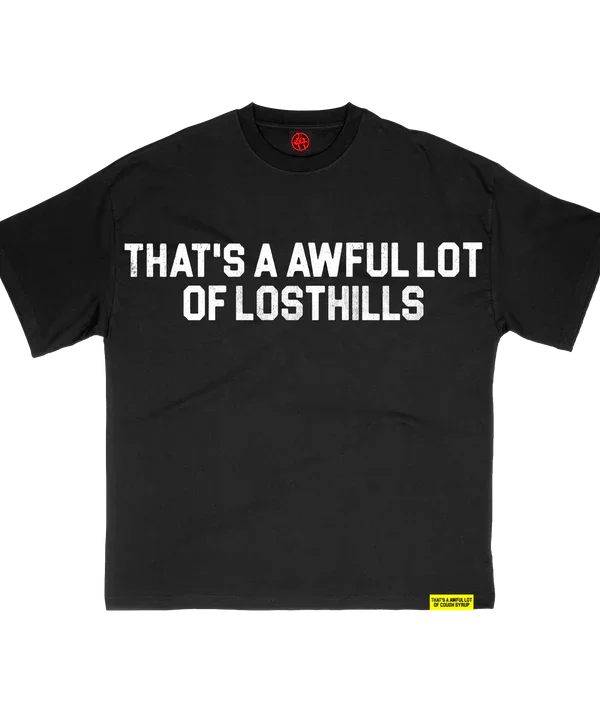
Introduction to Lost Hills
Lost Hills is a small, unincorporated community located in Kern County, California. Nestled along State Route 46 and close to Interstate 5, this town may appear quiet and unassuming at first glance. However, Lost Hills has a unique charm that stems from its agricultural roots, strategic location, and growing cultural influence. The town has long been associated with the rich farmlands of the Central Valley, producing crops like cotton, almonds, and pistachios that contribute significantly to California’s agricultural economy. Despite its small size, Lost Hills plays a crucial role as a hub for transportation and agricultural trade in the region.
The community’s name itself evokes curiosity. “Lost Hills” is believed to have originated from the rolling hills and open landscapes that early settlers found difficult to navigate. These hills, once challenging for travelers, are now symbolic of the town’s resilience and enduring appeal. The town’s geographic isolation has allowed it to develop a close-knit community atmosphere, making it an attractive destination for those seeking tranquility away from bustling city life.
Historical Background
Lost Hills has a history deeply tied to the agricultural development of California’s Central Valley. The town grew significantly during the early 20th century, largely due to irrigation projects and the expansion of farmlands. Migrant workers and settlers moved to the area, bringing with them diverse cultural influences that still resonate in the town today. The community has maintained its agricultural focus while gradually embracing modernization, including improvements in infrastructure, transportation, and local commerce.
Over time, Lost Hills transitioned from being just a farming community to becoming a small but notable point of interest along major highways. Its proximity to Interstate 5 makes it a convenient stop for travelers, truckers, and tourists exploring California’s heartland. Despite this, Lost Hills has managed to retain a sense of quiet charm and authenticity, attracting visitors interested in experiencing rural California life.
Lost Hills’ Economic Landscape
Agriculture dominates the economic landscape of Lost Hills. The fertile soil and favorable climate conditions support a variety of crops, making the area an important contributor to the state’s agricultural output. Many families in Lost Hills have been engaged in farming for generations, passing down techniques and expertise that sustain high-quality crop production. The town also hosts packing houses, storage facilities, and transportation services that support the agricultural supply chain.
Beyond agriculture, small businesses and local enterprises contribute to the economy. These businesses cater to both residents and travelers, offering goods, services, and dining options. Recently, the town has gained attention for its emerging fashion industry, particularly through the rise of Lost Hills Clothing, a brand that combines local culture with global trends.
Introduction to Lost Hills Clothing
Lost Hills Clothing is a contemporary fashion brand inspired by the town’s unique identity and the surrounding landscapes. The brand has quickly gained recognition for its modern, streetwear-inspired designs that appeal to young audiences. While rooted in California, Lost Hills Clothing embodies a global vision, blending local culture, minimalistic aesthetics, and high-quality materials.
The brand focuses on versatility, creating clothing that can transition seamlessly from casual daywear to stylish evening outfits. Lost Hills Clothing emphasizes comfort without compromising style, making it popular among fashion-conscious individuals who appreciate both functionality and aesthetics.
Design Philosophy
The design philosophy of Lost Hills Clothing revolves around authenticity, simplicity, and urban-casual appeal. The brand draws inspiration from the natural surroundings of Lost Hills, incorporating earthy tones, minimalist designs, and rugged textures reminiscent of the California landscape. Each collection reflects a balance between practicality and style, ensuring that wearers feel confident and comfortable.
Sustainability also plays a significant role in the brand’s philosophy. Lost Hills Clothing emphasizes environmentally friendly production processes, including the use of organic fabrics, recycled materials, and ethical labor practices. By combining fashion-forward designs with sustainable practices, the brand appeals to conscious consumers seeking quality clothing with a purpose.
Popular Collections
Lost Hills Clothing offers a diverse range of collections designed for both men and women. Popular items include oversized hoodies, graphic tees, wide-leg trousers, and functional outerwear. The brand frequently releases limited-edition collections that highlight seasonal trends, collaborations with artists, or special thematic inspirations.
One of the standout features of Lost Hills Clothing is its attention to detail. Every garment is carefully crafted to ensure durability, comfort, and aesthetic appeal. From reinforced stitching to premium fabrics, the brand emphasizes quality in every aspect of its products.
Marketing and Global Reach
Lost Hills Clothing has leveraged modern digital marketing strategies to establish a strong presence online. Through social media platforms like Instagram, TikTok, and Pinterest, the brand connects with a global audience, showcasing its latest collections, behind-the-scenes content, and lifestyle inspirations. Influencer collaborations and user-generated content have further amplified its reach, creating a community of loyal followers who identify with the brand’s style and values.
The brand’s e-commerce platform allows customers worldwide to access its products easily. With intuitive navigation, high-quality imagery, and responsive customer support, Lost Hills Clothing ensures a seamless online shopping experience. Additionally, pop-up events and limited-edition releases generate excitement and anticipation, keeping the brand relevant and engaging in a competitive fashion market.
Cultural Influence and Lifestyle
Lost Hills Clothing is more than just a fashion brand; it represents a lifestyle. Its designs often reflect themes of independence, exploration, and connection to nature, resonating with individuals who value creativity and self-expression. The brand encourages wearers to embrace authenticity, blending urban streetwear with casual comfort and timeless aesthetics.
This cultural influence extends to collaborations with artists, photographers, and designers who share the brand’s vision. By integrating artistic expression into its collections, Lost Hills Clothing fosters a community that celebrates individuality and innovation.
SEO-Friendly Considerations
For digital platforms, content about Lost Hills and Lost Hills Clothing can be optimized with relevant keywords such as “Lost Hills California,” “Lost Hills Clothing brand,” “streetwear fashion,” “sustainable clothing,” “California fashion trends,” and “modern casual wear.” Using these keywords strategically in headings, meta descriptions, and content ensures visibility on search engines and attracts both local and international audiences. losthillssclothing.com
Long-tail keywords like “Lost Hills Clothing online store,” “eco-friendly streetwear California,” or “trendy casual outfits Lost Hills” can also improve search engine ranking and target specific consumer searches. Including internal and external links, high-quality images, and engaging multimedia content enhances user experience and SEO performance.
The Future of Lost Hills and Its Brand
The future of Lost Hills and Lost Hills Clothing looks promising. As the town continues to balance agricultural tradition with modern development, its cultural and economic significance is likely to grow. Lost Hills Clothing is poised to expand its global reach, introducing innovative collections, sustainable initiatives, and unique collaborations that resonate with contemporary fashion enthusiasts.
With a commitment to authenticity, quality, and creativity, Lost Hills Clothing has the potential to become a leading brand in the streetwear and lifestyle fashion market. Its success reflects not only the brand’s vision but also the town’s unique identity, showcasing how small communities can influence global trends through culture, innovation, and entrepreneurship.
Conclusion
Lost Hills is a remarkable community that combines historical significance, agricultural strength, and cultural charm. From its humble beginnings as a farming town to its current status as an emerging fashion hub, Lost Hills represents resilience, creativity, and growth. Lost Hills Clothing captures the essence of this community, transforming local inspiration into globally appealing fashion.
By embracing sustainable practices, modern aesthetics, and lifestyle-driven designs, Lost Hills Clothing has established itself as a brand that resonates with diverse audiences worldwide. The connection between the town and the brand highlights how culture, environment, and creativity can intertwine to create meaningful impact.
For anyone seeking to explore unique communities or modern fashion trends, Lost Hills and Lost Hills Clothing provide an inspiring example of innovation rooted in heritage. As the town and the brand continue to evolve, they serve as a reminder that even the smallest places can leave a significant mark on the global stage.

 English
 Arabic
 French
 Spanish
 Portuguese
 Deutsch
 Turkish
 Dutch
Dutch
 Italiano
 Russian
 Romaian
 Portuguese (Brazil)