


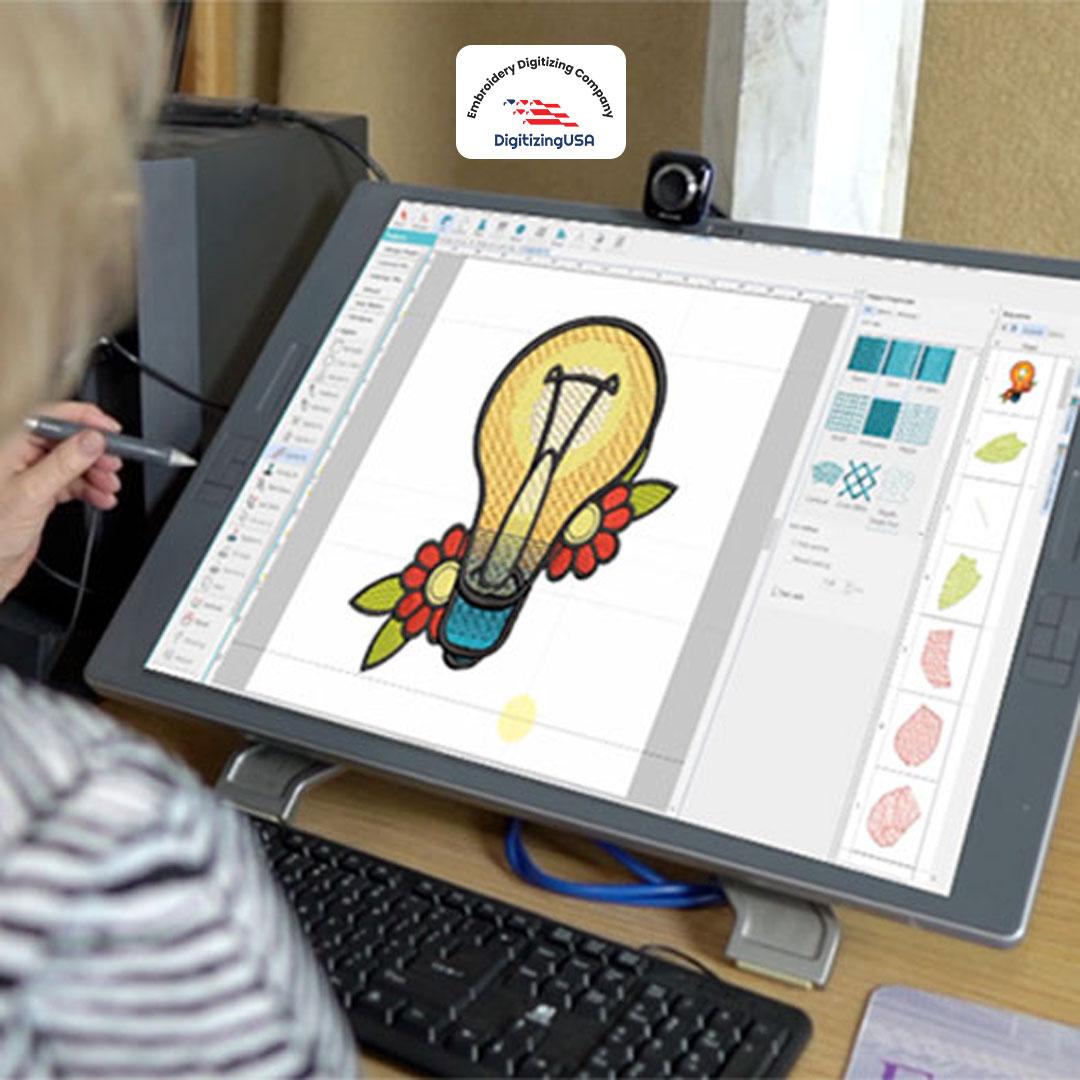
Embroidery has evolved from a decorative craft into a powerful branding tool. From corporate uniforms to fashion apparel, caps, patches, and promotional merchandise, embroidery plays a major role in presenting a professional image. However, behind every sharp, clean, and perfectly stitched design lies one crucial process — Embroidery Digitizing.
Many people admire the final embroidered logo but rarely understand the technical expertise required to make it possible. An embroidery machine cannot simply read an image file and start stitching. It requires carefully programmed instructions created through a professional Embroidery Digitizing Service.
In this complete guide, we will explore what embroidery digitizing is, why it matters, how it works, and how choosing the right digitizing service can transform your embroidery results.
What is Embroidery Digitizing?
Embroidery Digitizing is the process of converting artwork such as logos, text, or illustrations into a digital stitch file that embroidery machines can understand.
Unlike printing, embroidery requires detailed stitch mapping. A digitizer manually assigns:
-
Stitch types (satin, fill, run stitch)
-
Stitch direction and angle
-
Stitch density
-
Underlay structure
-
Thread sequence
-
Trim and stop commands
-
Pull compensation
This process is technical and requires experience. It is not just converting an image — it is programming how thread will interact with fabric.
A professional Embroidery Digitizing Service ensures the design stitches smoothly, maintains its shape, and looks clean on the final garment.
Why Embroidery Digitizing is Not Automatic
Some people assume that digitizing software can automatically convert images into embroidery files. While auto-digitizing tools exist, they rarely produce production-quality results.
Auto-digitizing often causes:
-
Excessive stitch count
-
Thread breaks
-
Uneven lettering
-
Fabric puckering
-
Poor design flow
Professional digitizers manually adjust each section of the design. They understand stitch behavior and fabric reaction, which software alone cannot perfectly predict.
This human expertise is what makes a professional Embroidery Digitizing Service valuable.
The Importance of Fabric Knowledge
One of the most important aspects of embroidery digitizing is understanding fabric behavior. Every fabric reacts differently to stitching.
1. Cotton Fabric
Stable but may require balanced density to avoid stiffness.
2. Stretch Fabric
Needs proper underlay and pull compensation to prevent distortion.
3. Towels
Require higher density and strong underlay to prevent sinking stitches.
4. Caps
Demand center-out stitching to reduce shifting.
5. Jackets and Thick Materials
Need adjusted stitch penetration and controlled density.
A skilled Embroidery Digitizing Service analyzes fabric type before creating the stitch file. This ensures the final embroidery looks professional and consistent.
The Embroidery Digitizing Process Step by Step
Understanding the digitizing workflow helps you appreciate the level of detail involved.
Step 1: Artwork Analysis
The digitizer reviews the design, size, and placement. Adjustments may be suggested if the design is too detailed for embroidery.
Step 2: Stitch Planning
Each element is carefully planned:
-
Which stitch type to use
-
Stitch direction for visual depth
-
Layering order
Step 3: Underlay Creation
Underlay is the foundation stitch layer. It stabilizes fabric and supports top stitches.
Step 4: Density Adjustment
Too many stitches cause stiffness and thread breaks. Too few create gaps. Balance is essential.
Step 5: Pull Compensation
Thread pulls fabric inward during stitching. Compensation offsets this effect.
Step 6: Sequencing
Design sections are arranged for smooth production with minimal trims.
Step 7: Quality Check
The file is reviewed and prepared in the required format (DST, PES, EXP, etc.).
A reliable Embroidery Digitizing Service follows these steps carefully to ensure production-ready results.
Types of Embroidery Digitizing Services
Professional digitizing companies offer different specialized services:
Logo Digitizing
Ideal for corporate branding and uniforms. Focuses on clarity and professional finish.
Cap Digitizing
Requires specialized techniques due to curved surfaces.
3D Puff Digitizing
Used for raised embroidery, especially on caps. Requires controlled stitch coverage.
Applique Digitizing
Involves fabric layering with tack-down and satin borders.
Patch Digitizing
Creates structured borders and clean edge finishes for embroidered patches.
A full-service Embroidery Digitizing Service can handle all these variations with precision.
Benefits of Hiring a Professional Embroidery Digitizing Service
1. Production Efficiency
Well-digitized designs run smoothly with fewer machine stops.
2. Lower Thread Breakage
Correct stitch density reduces stress on thread.
3. Time Savings
No need to repeatedly adjust designs on the machine.
4. Professional Appearance
Clean edges, sharp lettering, and balanced stitching enhance brand image.
5. Cost Control
Reduced thread waste and fewer production errors save money.
Common Mistakes in Embroidery Digitizing
Choosing inexperienced digitizing can lead to:
-
Overlapping stitches
-
Excessively high stitch count
-
Poor underlay structure
-
Incorrect stitch angles
-
Distorted small text
A professional Embroidery Digitizing Service avoids these mistakes by combining technical knowledge with real production experience.
The Role of Stitch Types in Embroidery Digitizing
Different stitch types create different textures and finishes.
Satin Stitch
Used for text and borders. Smooth and shiny finish.
Fill Stitch
Covers large areas with patterned stitching.
Run Stitch
Used for outlines and fine details.
A skilled digitizer chooses stitch types based on design purpose and fabric type.
Why Small Lettering is Challenging
Small text is one of the biggest challenges in embroidery. If digitized incorrectly, letters may close up or appear uneven.
Professional Embroidery Digitizing ensures:
-
Minimum column width
-
Proper spacing
-
Controlled density
-
Clear stitch direction
This is critical for corporate logos and branding consistency.
Understanding Stitch Count and Its Importance
Many customers focus only on stitch count. However, lower stitch count does not always mean better quality.
A good Embroidery Digitizing Service balances stitch count with durability and appearance. The goal is efficiency without compromising quality.
Outsourcing vs In-House Digitizing
Many embroidery businesses choose outsourcing instead of hiring full-time digitizers.
Advantages of Outsourcing:
-
Access to expert digitizers
-
No software investment
-
Faster turnaround
-
Scalable production
Outsourcing to a trusted Embroidery Digitizing Service allows businesses to focus on customer service and production.
How Embroidery Digitizing Affects Brand Image
Your embroidered logo represents your brand identity. Clean stitching communicates professionalism and reliability.
Poor embroidery reflects negatively on the brand. That is why investing in professional Embroidery Digitizing is essential for businesses that value quality presentation.
Choosing the Right Embroidery Digitizing Service
Before selecting a service provider, consider:
-
Experience and portfolio
-
Turnaround time
-
Communication clarity
-
Revision policy
-
Fabric expertise
-
File format compatibility
A dependable Embroidery Digitizing Service should prioritize quality and long-term partnerships.
The Future of Embroidery Digitizing
Technology continues to improve, but human expertise remains irreplaceable. Advanced software helps digitizers work faster, yet creativity, planning, and fabric knowledge still depend on skilled professionals.
The demand for high-quality embroidery is growing in:
-
Fashion industry
-
Corporate branding
-
Sports uniforms
-
Promotional merchandise
-
Custom patches
This makes professional Embroidery Digitizing more important than ever.
Final Thoughts
Embroidery Digitizing is the technical backbone of quality embroidery. It transforms creative artwork into precise stitch instructions that machines can execute flawlessly.
A professional Embroidery Digitizing Service ensures:
-
Clean, sharp designs
-
Fabric-friendly stitching
-
Efficient production
-
Reduced machine downtime
-
Strong brand presentation
Whether you run a small embroidery shop or manage large commercial production, investing in expert digitizing guarantees better results, satisfied clients, and long-term business growth.

 English
 Arabic
 French
 Spanish
 Portuguese
 Deutsch
 Turkish
 Dutch
Dutch
 Italiano
 Russian
 Romaian
 Portuguese (Brazil)