


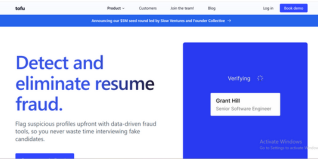
Hiring the right candidates is essential for organizational success, but the rise of digital recruitment and remote hiring has increased the risk of applicant fraud. From falsified resumes to identity misrepresentation, fraudulent job applications can expose employers to financial losses, compliance issues, and reputational damage. As a result, applicant fraud detection has become a critical component of modern recruitment strategies.
This in-depth guide explores what applicant fraud is, why it occurs, the most common types of fraud, red flags to watch for, and proven methods organizations can use to detect and prevent hiring fraud effectively.
What Is Applicant Fraud?
Applicant fraud occurs when a job candidate intentionally provides false or misleading information during the recruitment process to secure employment. Unlike minor exaggerations, fraud involves deliberate deception that may impact job performance, workplace safety, or regulatory compliance.
Applicant fraud can happen at any stage of hiring—from resume submission and interviews to onboarding—and often remains undetected until performance issues or legal concerns arise.
Why Applicant Fraud Is on the Rise
Several factors have contributed to the growing prevalence of applicant fraud:
1. Digital and Remote Hiring
Virtual interviews and online onboarding reduce face-to-face verification, making identity checks more challenging.
2. Competitive Job Markets
Increased competition encourages some candidates to falsify credentials to stand out.
3. Easy Access to Fake Documents
Fake degrees, certifications, and reference letters are widely available online.
4. Global Workforce
International hiring makes verifying education and employment histories more complex.
5. Pressure to Meet Job Requirements
Candidates may apply for roles beyond their qualifications, hoping fraud will go unnoticed.
Common Types of Applicant Fraud
Understanding the different forms of applicant fraud helps recruiters identify risks early.
1. Resume and Employment Fraud
-
Inflated job titles
-
Fake companies or roles
-
Extended employment periods
-
Misrepresented responsibilities
2. Education and Credential Fraud
-
Fake or altered degrees
-
Unaccredited institutions
-
Forged transcripts
-
Invalid certifications
3. Identity Fraud
-
Use of stolen or fake identities
-
Proxy interviews
-
False personal information
4. Reference Fraud
-
Fabricated references
-
Friends or relatives posing as employers
-
Non-verifiable contact details
5. Skill and License Fraud
-
Claiming expertise without proficiency
-
Fake professional licenses
-
Expired or suspended certifications
Risks of Hiring Fraudulent Applicants
Hiring a fraudulent candidate can lead to serious consequences, including:
-
Poor job performance
-
Workplace safety risks
-
Data breaches and security threats
-
Regulatory violations
-
Legal liability
-
Increased employee turnover
-
Loss of trust and reputation
In regulated industries, the impact can be particularly severe.
Key Red Flags During Recruitment
While no single sign proves fraud, certain patterns should prompt further review:
-
Inconsistent job timelines
-
Vague role descriptions
-
Unexplained employment gaps
-
Refusal to provide references
-
Discrepancies between interview responses and resume claims
-
Resistance to background checks
Recruiters should treat red flags as signals for verification rather than automatic rejection.
Effective Applicant Fraud Detection Methods
1. Resume Screening and Cross-Verification
Review resumes carefully for inconsistencies, unrealistic progression, and overlapping employment dates.
2. Structured and Behavioral Interviews
Ask candidates to explain how they performed specific tasks. Behavioral questions reveal real experience better than generic answers.
3. Skill-Based Assessments
Practical tests, assignments, and case studies validate claimed skills and technical abilities.
4. Employment and Education Verification
Verify past employment, academic credentials, and certifications through official sources or third-party verification services.
5. Reference Checks
Contact references directly using verified company contact details. Ask role-specific questions to confirm working relationships.
6. Identity Verification
Ensure the same individual appears throughout interviews and onboarding. Verify government-issued identification where legally permitted.
7. Background Screening
Background checks may include criminal records, professional licenses, and employment history, depending on role requirements and legal compliance.
Technology’s Role in Applicant Fraud Detection
Technology plays a growing role in preventing hiring fraud.
AI-Powered Resume Analysis
AI tools can identify suspicious patterns, duplicate resumes, and inconsistencies across applications.
Video Interview Authentication
Facial recognition and identity verification tools help prevent proxy interviews.
Digital Credential Verification
Blockchain and secure databases enable fast verification of degrees and certifications.
Applicant Tracking Systems (ATS)
ATS platforms help centralize candidate data, track verification steps, and maintain audit trails.
Balancing Fraud Prevention and Candidate Experience
Fraud detection should not compromise fairness or trust. Employers should:
-
Communicate screening steps transparently
-
Apply verification consistently
-
Protect candidate data and privacy
-
Avoid unnecessary or intrusive checks
A respectful process improves employer branding while maintaining security.
Legal and Compliance Considerations
Applicant fraud detection must comply with employment laws and data protection regulations. Best practices include:
-
Obtaining candidate consent for background checks
-
Following jurisdiction-specific labor laws
-
Storing personal data securely
-
Ensuring non-discriminatory screening
Clear policies and documentation help organizations remain compliant.
Building a Fraud-Resistant Hiring Process
Organizations can strengthen recruitment integrity by:
-
Establishing clear hiring policies
-
Training recruiters to recognize fraud
-
Standardizing interview and verification steps
-
Partnering with professional screening providers
-
Regularly reviewing hiring procedures
Prevention is most effective when integrated throughout the hiring lifecycle.
Industries Most Vulnerable to Applicant Fraud
Certain sectors face higher exposure due to sensitive roles or regulatory requirements:
-
Healthcare
-
Finance and banking
-
Information technology
-
Education
-
Government and public sector
-
Remote and freelance roles
Enhanced screening is especially important in these industries.
Final Thoughts
Applicant fraud detection is no longer optional in today’s hiring landscape. As recruitment becomes increasingly digital and global, the risk of fraudulent applications continues to rise. Employers who invest in thorough verification processes protect their workforce, clients, and organizational reputation.
By recognizing red flags, leveraging technology, conducting proper checks, and maintaining ethical standards, organizations can significantly reduce hiring fraud while preserving a positive candidate experience.
A secure hiring process ensures that the right people are placed in the right roles—building trust, stability, and long-term success.

 English
 Arabic
 French
 Spanish
 Portuguese
 Turkish
 Dutch
Dutch
 Italiano
 Russian
 Romaian
 Portuguese (Brazil)
 Tiếng Việt