


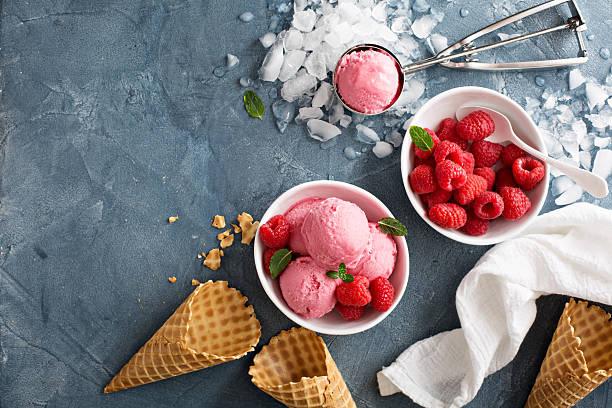
Plant-based frozen desserts have transitioned from niche offerings to mainstream product categories commanding significant retail space and consumer attention. This dramatic shift reflects broader dietary trend adoption driven by health concerns, environmental awareness, and ethical considerations regarding animal agriculture. Manufacturers now invest heavily in developing dairy alternatives that match or exceed traditional products in taste, texture, and nutritional value.
Coconut milk emerged as an early favorite base for dairy-free frozen desserts due to its naturally high fat content and creamy consistency. The saturated fat profile mimics dairy cream's functionality, enabling relatively straightforward formulation approaches. However, its distinctive flavor profile limits versatility, prompting exploration of additional plant-based options that offer more neutral taste characteristics.
Almond, oat, and cashew bases have gained substantial market traction, each presenting unique formulation advantages and challenges. Oat milk's natural sweetness and creamy texture appeal to consumers seeking familiar taste experiences, while almond milk's lighter profile attracts calorie-conscious buyers. Cashew's neutral flavor and smooth consistency make it particularly suitable for premium applications requiring subtle base notes.
The evolution of dairy alternatives continues accelerating as ingredient suppliers develop specialized proteins and fats optimized for frozen applications. Pea protein, faba bean protein, and other legume-derived options provide functional benefits beyond mere dairy replacement, offering enhanced nutritional profiles and sustainability credentials. These ingredients require careful processing to eliminate off-flavors while maintaining desired functional properties.
Texture replication remains the paramount technical challenge when formulating plant-based frozen desserts. Plant proteins and fats behave differently than dairy counterparts during freezing and storage, often producing icier textures or graininess. Advanced stabilizer systems, specialty emulsifiers, and novel processing techniques help overcome these limitations, though formulation complexity typically increases.
Artificial intelligence accelerates plant-based product development by predicting ingredient interactions and optimizing processing parameters. Machine learning models trained on sensory data help formulators achieve dairy-like characteristics more efficiently. This technology proves invaluable given the complexity of replicating traditional frozen dessert attributes using entirely different ingredient systems.
FAQ 1: Which plant base works best for frozen desserts? No single base universally excels; coconut offers richness, oat provides creaminess, and cashew delivers neutrality, with selection depending on specific product positioning.
FAQ 2: Do dairy alternatives offer nutritional advantages? Many provide benefits like lower saturated fat, cholesterol-free profiles, and allergen avoidance, though fortification may be necessary to match dairy's calcium and protein levels.

 English
 Arabic
 French
 Spanish
 Portuguese
 Deutsch
 Turkish
 Dutch
Dutch
 Russian
 Romaian
 Portuguese (Brazil)
 Tiếng Việt