


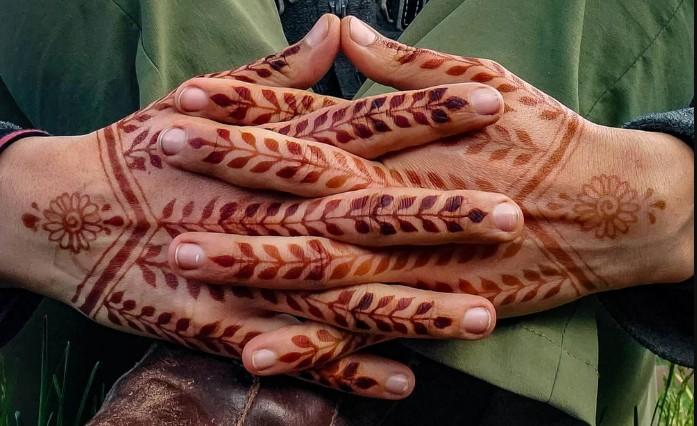
For centuries, henna has been celebrated for its ability to adorn the skin with intricate patterns, but its use as a natural nail stain is a tradition that is currently seeing a massive resurgence in the modern beauty world. Unlike chemical polishes that can peel, chip, and weaken the nail bed, a henna manicure offers a long-lasting, earthy tint that actually strengthens the keratin of the nail. However, achieving a flawless, deep orange or rich mahogany hue requires more than just slathering paste on your fingertips. It demands an understanding of paste chemistry and application precision. For those looking to master these traditional techniques with a professional touch, enrolling in a henna course is the perfect way to learn the nuances of mixing organic powders and essential oils for the best cosmetic results.
The appeal of the henna manicure lies in its organic nature. Conventional nail polishes often contain "the big three" chemicals—formaldehyde, toluene, and dibutyl phthalate—which can be harsh on sensitive individuals. Henna, derived from the Lawsonia inermis plant, provides a breathable alternative that is often preferred by those following specific lifestyle or religious guidelines. Because the dye molecules (lawsone) bind directly to the protein in your nails, the color is incredibly durable.
Preparing the Nails for Maximum Dye Absorption
Before you begin the application process, preparation is the most critical phase. Henna works best on clean, porous surfaces. If your nails have any residual oils, lotions, or leftover clear coat, the lawsone molecules will be unable to penetrate the nail plate, resulting in a patchy or faint stain. Start by gently buffing the surface of your nails to remove the shine; this slightly roughens the keratin and allows the paste to grip better. Many professionals who have completed a henna course recommend a warm water soak with a splash of lemon juice to further open the pores of the nail. This ensure that when the paste is applied, the transition of color is deep and uniform across the entire nail bed.
Furthermore, you must protect the surrounding skin. Unless you want your cuticles and fingertips to be stained orange for several weeks, you should apply a thick barrier of petroleum jelly or a heavy plant butter around the edges of the nail. This precision is a hallmark of a trained artist.
Mixing and Applying the Henna Paste
The secret to a vibrant henna manicure is the "dye release" of the paste. You cannot simply mix henna powder with water and apply it immediately. The paste needs time—usually between 6 to 24 hours depending on the temperature—to release its staining power. Many people choose to mix their powder with a mildly acidic liquid like lemon juice or apple juice to stabilize the dye. For nail application, the paste should be slightly thicker than the consistency used for skin patterns, resembling a thick toothpaste. This prevents it from running into the cuticles. Mastering these specific ratios is a core module in any reputable henna course, as it ensures the paste remains potent enough to stain the hard surface of the nail.
When you are ready to apply, use a small brush or a stainless steel applicator to coat each nail with a generous layer of paste. Aim for a thickness of about 2-3 millimeters. Because nails are much harder than skin, the henna needs more time to sit. For a light tint, two hours might suffice, but for that deep, traditional "henna red," many enthusiasts wrap their fingertips in plastic wrap or use medical tape to keep the paste moist overnight.
Aftercare and Enhancing the Final Color
Once the waiting period is over, do not wash the paste off with soap and water. Instead, scrape the dried paste off using a blunt tool or your opposite thumbnail. The color you see immediately—a bright, neon orange—can be startling, but don't panic. Henna undergoes an oxidation process over the next 48 hours. During this time, the color will darken significantly into a sophisticated terracotta or deep burgundy. To aid this process, avoid submerging your hands in water for the first few hours after removal. Applying a bit of coconut or olive oil to the nails will help seal the dye and protect the oxidation. Professionals often learn these chemistry-based aftercare tips through a henna course, as they are vital for client satisfaction.
Maintaining a henna manicure is much easier than maintaining traditional polish. There is no chipping, so your "polish" only disappears as your nails grow. To keep the nails looking fresh, you can apply a clear topcoat for shine, or simply leave them matte for a more organic, bohemian look. If you notice the color fading after a few weeks of heavy housework or swimming, you can easily "top up" the stain with a quick 30-minute application.
Safety First: Avoiding "Black Henna" Risks
A crucial safety note for anyone interested in henna is the danger of "Black Henna." Real henna is never black. Some products marketed for nails or hair contain PPD (para-phenylenediamine), a coal-tar dye that can cause severe allergic reactions, permanent scarring, and chemical burns. When you are looking for supplies for your natural manicure, always ensure you are buying 100% pure Lawsonia inermis. Education is the best defense against these harmful additives. By participating in a henna course, you learn how to read ingredient labels and source your powder from reputable suppliers who provide lab-tested results. This ensures your beauty routine remains a healthy, restorative practice.

 English
 Arabic
 French
 Spanish
 Portuguese
 Deutsch
 Turkish
 Dutch
Dutch
 Italiano
 Russian
 Romaian
 Portuguese (Brazil)