


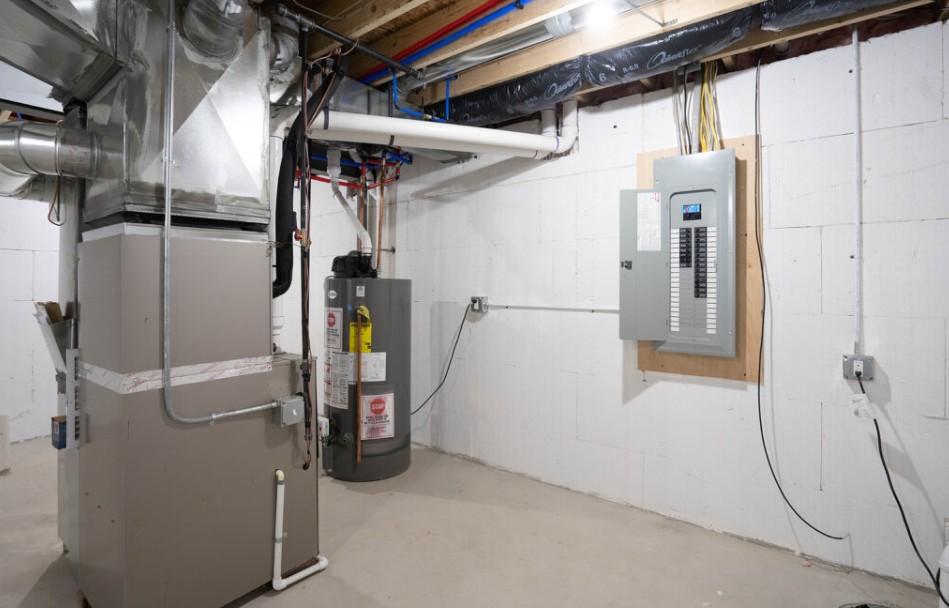
The landscape of building management has undergone a radical transformation in recent years, moving away from reactive "break-fix" models toward intelligent, data-driven strategies. At the forefront of this evolution is remote diagnostic monitoring, a technology that allows service providers to oversee the health of a facility's climate control infrastructure from anywhere in the world. By integrating IoT sensors and cloud-based analytics, property managers can now receive real-time updates on the status of their heating ventilation air conditioning systems. This shift is not just about convenience; it represents a fundamental change in how service contracts are structured, providing a level of transparency and efficiency that was previously impossible. For technicians and facility owners alike, remote monitoring acts as a 24/7 digital sentry, ensuring that minor mechanical drifts do not escalate into catastrophic failures.
Understanding the mechanics of these modern systems is becoming a core requirement for industry professionals. As buildings become "smarter," the role of the traditional technician is expanding to include data literacy and digital troubleshooting.
Enhanced Energy Efficiency and Operational Savings
One of the most immediate benefits of remote diagnostic monitoring is the significant reduction in energy consumption. HVAC systems are often the largest energy consumers in a commercial building, sometimes accounting for up to 40% of the total utility bill. Without remote oversight, systems can run with undetected inefficiencies for months, such as stuck dampers or leaking valves, which force the unit to work harder than necessary. Remote monitoring identifies these "invisible" losses in real time. For those specializing in heating ventilation air conditioning, the ability to fine-tune system setpoints and occupancy schedules remotely means they can optimize a building’s performance without ever stepping foot on-site.
Furthermore, the data collected allows for the creation of precise energy benchmarks. Service contracts that include remote monitoring often feature performance guarantees, as technicians can prove the ROI through detailed reports.
Transitioning from Reactive to Predictive Maintenance
Traditional maintenance contracts are typically based on a calendar—filters are changed every three months, and inspections happen twice a year. However, this schedule is often arbitrary and doesn't account for actual equipment usage or environmental stress. Remote diagnostic monitoring flips this model by enabling condition-based maintenance. Sensors can detect subtle changes in vibration signatures or unusual spikes in electrical current that signal the early stages of component wear. A technician trained in heating ventilation air conditioning can then be dispatched only when a genuine need exists, preventing the waste of labor on healthy machines and ensuring that failing parts are replaced before they cause a shutdown.
This predictive capability is particularly valuable for mission-critical facilities like hospitals or data centers, where even an hour of downtime is unacceptable. When an anomaly is detected, the system sends an automated alert to the service provider. Because the technician already has access to the diagnostic data, they can arrive on-site with the exact parts and tools needed for the repair. This "first-time fix" rate is significantly higher with remote monitoring, as the guesswork is eliminated before the truck leaves the warehouse.
Reduced On-Site Hours and Service Costs
The logistical costs of maintaining a large HVAC portfolio can be staggering. Truck rolls, fuel, and travel time for technicians add up quickly, especially for minor issues that could have been resolved through a simple setting adjustment. Remote diagnostics allow service providers to "virtually" visit a site, troubleshoot the problem, and in many cases, rectify it through the digital interface. For example, if a sensor drift is causing a room to overheat, the technician can reset the parameters or adjust the airflow from their office.
Even when an on-site visit is mandatory, the duration of the visit is shortened. The technician doesn't need to spend the first hour on-site performing manual tests to find the fault; the remote monitoring system has already pinpointed the issue. This targeted approach minimizes disruption for the building's occupants and lowers the overall labor cost billed to the client. By streamlining these operations, companies can offer more competitive pricing on their service agreements.
Prolonged Equipment Lifespan and Asset Management
HVAC units represent a massive capital investment, and extending their operational life is a top priority for any facility manager. Rapid wear and tear often occurs when systems are forced to run under stress—for example, a compressor struggling against a clogged filter or a motor fighting a misaligned belt. Remote monitoring ensures that these stressors are caught and corrected immediately.
Moreover, the historical data stored in the cloud provides a comprehensive "health record" for every piece of equipment. This information is invaluable when it comes time to decide whether to repair or replace a unit. Instead of relying on gut feeling, managers can look at years of performance data to see if a unit has become a "lemon" or if its efficiency has dropped below a sustainable threshold.
Conclusion and the Future of HVAC Services
Remote diagnostic monitoring is no longer a luxury reserved for the most expensive smart buildings; it is becoming the industry standard. For clients, it offers peace of mind, lower energy bills, and a more comfortable indoor environment. For service providers, it offers an opportunity to deliver higher-value, data-driven service contracts that foster long-term loyalty. As the technology continues to evolve with AI and machine learning, the accuracy of fault prediction will only improve. Anyone entering the field today must prioritize a high-quality education in heating ventilation air conditioning to ensure they are equipped to handle these advanced systems. The future of the industry is connected, proactive, and incredibly efficient.

 English
 Arabic
 French
 Spanish
 Portuguese
 Deutsch
 Turkish
 Dutch
Dutch
 Italiano
 Russian
 Romaian
 Portuguese (Brazil)