


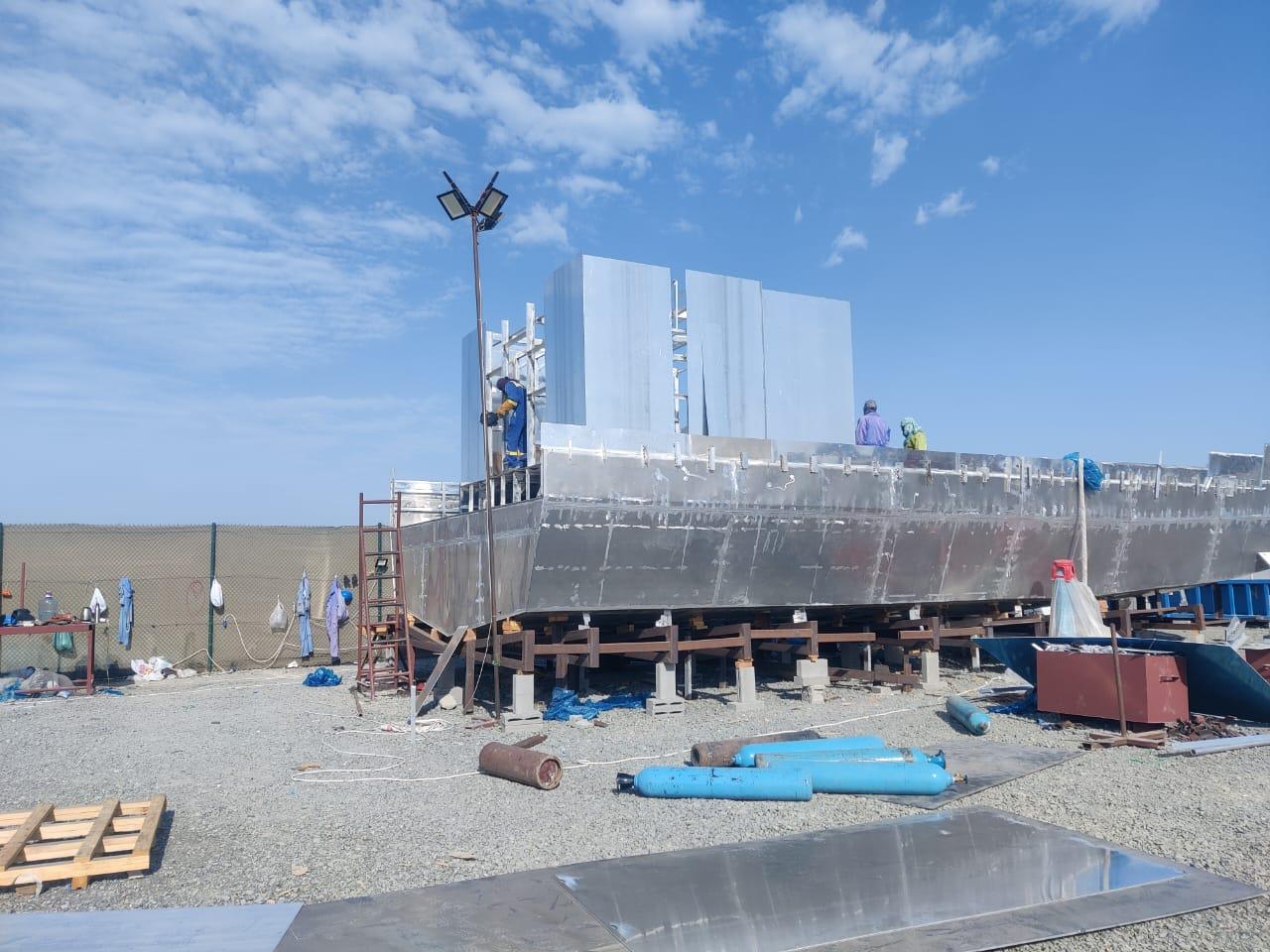
Shipbuilding companies are the backbone of global trade, providing the vessels that enable goods to move efficiently across oceans. In today’s interconnected world, over 80% of international trade by volume is transported via ships, highlighting their indispensable role in supporting global commerce. Ships are not just a mode of transportation; they are the lifeline connecting producers, manufacturers, and consumers across continents. The efficiency, safety, and reliability of these vessels directly influence global supply chains and economic growth.
The Foundation of Global Trade
Modern trade relies heavily on large cargo vessels to transport raw materials, energy resources, and consumer goods. From container ships to bulk carriers and oil tankers, the diversity of vessels is essential to meet varying global demands. Without advanced ships, global logistics would be slower, less reliable, and far more expensive. Shipbuilders design vessels that can withstand long voyages, rough seas, and heavy loads, ensuring the seamless flow of trade worldwide.
The continuous expansion of international trade emphasizes the significance of these companies. Over the past decade, seaborne trade has grown significantly, driven by increasing demand for raw materials, consumer goods, and energy resources. Shipbuilding companies ensure that this growing volume can be transported safely and efficiently, reinforcing the stability of global supply chains.
Supporting Global Logistics Networks
Efficiency in logistics is closely tied to the quality of ships. Modern vessels are equipped with advanced navigation systems, fuel-efficient engines, and innovative cargo-handling technologies. Shipbuilding companies in UAE have been pivotal in integrating these innovations, allowing shipping operators to reduce operating costs while improving delivery times. Considering that fuel expenses account for 50–60% of a ship’s operating costs, optimizing efficiency is critical for both profitability and environmental sustainability.
Efficient ships also help reduce congestion in ports by streamlining loading and unloading operations. By designing vessels with improved cargo capacity and faster turnaround times, shipbuilders directly contribute to smoother global logistics operations.
Cost-Effective Transportation
Shipping by sea remains the most economical method of moving goods over long distances. A single large container ship can carry over 20,000 TEUs (twenty-foot equivalent units), replacing thousands of trucks or hundreds of cargo planes. This cost efficiency allows industries to access raw materials at lower prices and enables consumers to enjoy affordable products.
Ship manufacturing companies in UAE focus on producing large-scale vessels that maximize cargo capacity while maintaining structural integrity and safety standards. These ships not only reduce transportation costs but also minimize environmental impact through more efficient fuel consumption and optimized vessel design.
Meeting the Growing Demand for Trade
Global trade continues to grow at a rapid pace. According to industry estimates, international seaborne trade surpassed 11 billion tons annually, and the demand for new vessels continues to rise. Shipbuilders respond by introducing advanced ships capable of higher cargo volumes, longer voyages, and better compliance with international safety and environmental regulations.
Top shipbuilders are also investing in innovative materials, lightweight alloys, and modular designs that improve efficiency and reduce maintenance costs. These advancements are critical to ensuring that shipping fleets can meet the increasing global demand without compromising safety or reliability.
Supporting Energy and Resource Transportation
Shipping is the primary method for transporting energy resources like crude oil, liquefied natural gas (LNG), and liquefied petroleum gas (LPG). Around 60% of global oil and gas trade occurs by sea, making specialized tankers indispensable for energy logistics. Shipbuilders design these vessels with enhanced safety features, including double hulls, reinforced structures, and advanced monitoring systems, to prevent accidents and environmental damage.
Complementing this, marine services in UAE provide critical support for ship operations, including maintenance, port handling, and logistical coordination. Together, these services and modern vessels ensure uninterrupted energy supply chains essential for industries, power generation, and daily life worldwide.
Driving Technological Innovation
Technological innovation is reshaping shipbuilding and global logistics. Modern vessels are increasingly automated, with digital navigation systems and smart ship solutions that allow real-time monitoring of fuel consumption, route optimization, and cargo conditions. These advancements have been shown to improve operational efficiency by 10–15%, reducing costs and environmental impact.
Companies such as VU Marine are pioneering the integration of these technologies into shipbuilding practices. By combining traditional engineering with cutting-edge digital solutions, these companies are setting new benchmarks in efficiency, safety, and sustainability.
Environmental Responsibility and Sustainability
Sustainability has become a key priority for the maritime industry. Shipbuilders now focus on designing eco-friendly vessels that reduce carbon emissions and fuel consumption. New-generation ships can cut greenhouse gas emissions by up to 30% compared to older vessels, thanks to innovations like hydrodynamic hulls, energy-efficient engines, and cleaner fuels.
Shipbuilding companies are also adapting to international environmental regulations, ensuring that maritime trade grows without causing unnecessary harm to oceans and coastal ecosystems. Responsible shipbuilding practices, combined with technological innovation, support long-term sustainability in global logistics.
Enhancing Safety and Reliability
Safety remains a critical concern for global trade. Shipbuilders design vessels to meet rigorous international standards, safeguarding cargo, crew, and the marine environment. Reliable ships minimize delays and prevent accidents, which is essential for industries that rely on just-in-time delivery systems.
Top shipbuilding companies worldwide lead in setting safety benchmarks, creating vessels that withstand extreme weather, rough seas, and heavy cargo loads. Their contribution ensures that global trade remains efficient, secure, and resilient.
Economic Growth and Employment
The shipbuilding industry also plays a significant role in creating employment and boosting economies. From engineers and technicians to port workers and logistics specialists, each vessel produced generates thousands of direct and indirect jobs. Local economies benefit from industrial development, supplier networks, and the expansion of trade-related services.
By supporting economic growth and providing high-skilled employment opportunities, shipbuilding companies strengthen national and regional participation in global trade.
Conclusion
Shipbuilding companies are indispensable to global trade and logistics. They provide the vessels that move the majority of the world’s goods, support efficient logistics networks, reduce transportation costs, and drive technological and environmental innovation. Through advanced shipbuilding practices, enhanced safety, and sustainable solutions, companies like VU Marine continue to shape the future of global commerce. With trade volumes steadily rising, the contribution of shipbuilders remains critical in connecting markets, enabling economic growth, and ensuring the smooth flow of goods worldwide.

 English
 French
 Spanish
 Portuguese
 Deutsch
 Turkish
 Dutch
Dutch
 Italiano
 Russian
 Romaian
 Portuguese (Brazil)
 Tiếng Việt