


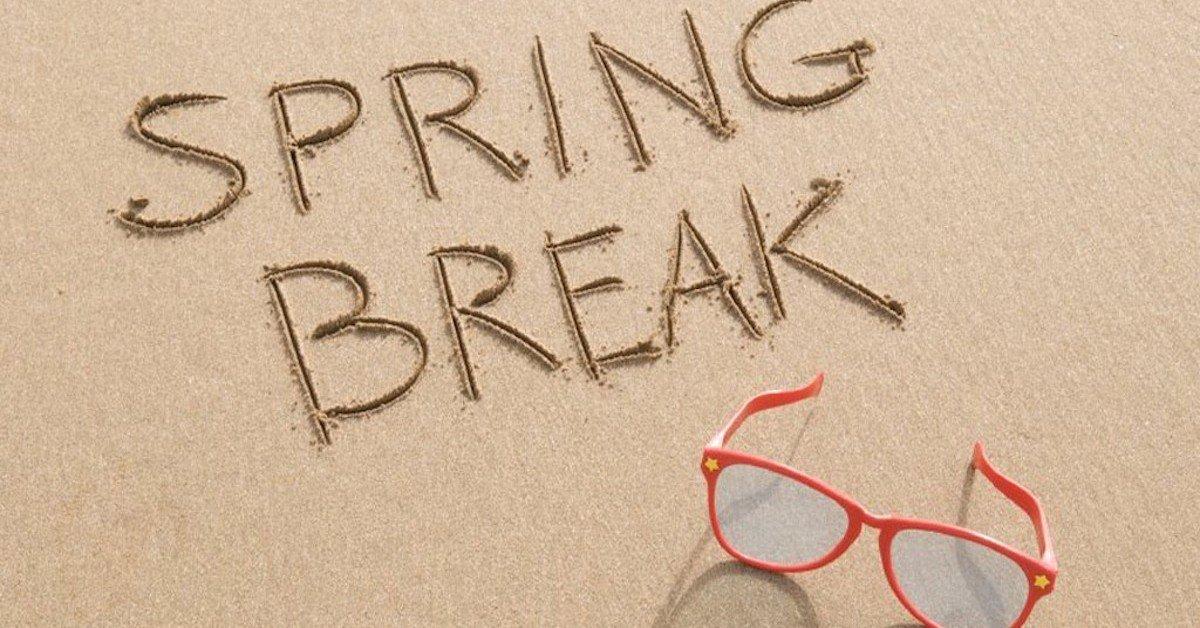
Spring break is one of the most anticipated times of the year for students, families, and travelers of all ages. It’s a time to unwind, explore new destinations, and create unforgettable memories. However, with the excitement and freedom that comes with spring break, safety can sometimes take a back seat.
Whether you’re heading to a beach party, a ski resort, or an international adventure, it’s essential to prioritize safety to ensure your trip is enjoyable and stress-free. Here are key spring break safety tips every traveler should know.
1. Plan Ahead and Research Your Destination
Preparation is the cornerstone of a safe trip. Before you pack your bags, take the time to research your destination thoroughly. Learn about local laws, customs, and cultural norms. Certain behaviors that are acceptable in your hometown may be illegal or frowned upon elsewhere. Understanding these differences can help you avoid unnecessary legal troubles or social misunderstandings.
Additionally, research the area’s crime rate, common scams, and emergency services. Knowing the location of nearby hospitals, police stations, and embassies (for international travel) can save valuable time in case of an emergency. Booking accommodations in safe, reputable neighborhoods also reduces the risk of encountering problems during your stay.
2. Protect Your Finances
Money and valuables are common targets for thieves, especially in crowded tourist destinations. Carry only the cash and cards you need for the day, and leave the rest in a secure location like a hotel safe. Consider using a money belt or a hidden pouch to store important items such as your passport, ID, and extra cash.
Using credit cards for purchases can offer additional security compared to carrying large amounts of cash. Always notify your bank of your travel plans to avoid your cards being frozen due to suspicious activity. Avoid flashing expensive electronics, jewelry, or designer items in public areas, as this can attract unwanted attention.
3. Stay Aware of Your Surroundings
Being aware of your surroundings is crucial for personal safety. Avoid walking alone at night in unfamiliar or poorly lit areas. Stick to well-populated streets, and if possible, travel in groups. Pay attention to local transportation options and ensure you use only licensed taxis or ride-sharing services.
If you’re attending parties or events, keep an eye on your drinks. Drink spiking is a real risk, so never leave your beverage unattended and avoid accepting drinks from strangers. Staying alert and cautious can prevent most avoidable accidents and incidents.
4. Travel with a Buddy or Stay Connected
While solo travel can be rewarding, spring break trips are often safer and more fun when shared with a friend or group. Having a travel companion provides mutual support in unfamiliar situations and can help you stay accountable. If you do travel alone, make sure someone back home knows your itinerary, accommodation details, and expected return times.
Using location-sharing apps or regular check-ins with family or friends is another way to maintain safety. Emergency contacts and local authorities should always be easily accessible on your phone or a written note in your wallet.
5. Keep Health and Hygiene in Mind
Health emergencies can quickly derail a vacation. Make sure you have adequate travel insurance that covers medical emergencies. Pack a basic first aid kit including medications you regularly take, bandages, antiseptic wipes, and over-the-counter remedies for common ailments like headaches or upset stomachs.
Stay hydrated, especially if you’re traveling to hot climates or spending long hours outdoors. Sun protection is also critical—apply sunscreen frequently and wear protective clothing or hats. If consuming local food or water, ensure it’s safe; avoiding undercooked meals or questionable water sources can prevent foodborne illnesses.
6. Respect Local Laws and Rules
Spring break often involves parties, nightlife, and adventurous activities, but it’s essential to respect local laws and regulations. Alcohol consumption, drug use, and curfews vary by location. Ignorance of the law is rarely an acceptable excuse.
Certain activities may seem harmless, such as public drinking or minor traffic violations, but in some countries or states, they carry serious penalties. Familiarizing yourself with local rules and following them not only keeps you out of legal trouble but also shows respect for the local community.
7. Use Technology Wisely
Smartphones and apps can be great tools for safety. Keep your phone charged, and consider portable chargers for long days of sightseeing. Apps for maps, ride-sharing, and emergency services are invaluable, but be cautious when using public Wi-Fi. Avoid accessing sensitive accounts, such as banking apps, over unsecured networks.
Social media can also be a double-edged sword. While sharing your experiences is fun, broadcasting your exact location in real time can make you a target for theft or unwanted attention. Consider posting updates after returning from your activities rather than live.
8. Avoid Excessive Alcohol and Substance Use
Partying is often associated with spring break, but excessive drinking or substance use significantly increases risks. Impaired judgment can lead to accidents, theft, assault, or risky behavior. Set limits, drink responsibly, and always know your alcohol tolerance. Make plans for safe transportation if you’ve been drinking—never attempt to drive under the influence.
9. Be Prepared for Natural and Environmental Hazards
Depending on your destination, you may encounter natural hazards such as strong ocean currents, extreme weather, or wildlife. Research these risks in advance and take precautions. If swimming at a beach, stay within designated areas and heed lifeguard warnings. In mountainous or snowy areas, ensure you have the right gear and know the risks of avalanches or hypothermia.
Traveling during spring break often means large crowds, so be aware of personal safety in crowded areas, such as potential stampedes, pickpocketing, or lost items. Keeping calm and having a meeting point for your group can prevent panic in chaotic situations.
10. Trust Your Instincts
Finally, your intuition is one of your best safety tools. If something feels off, trust your gut and remove yourself from the situation. Whether it’s a shady neighborhood, an unlicensed tour, or an uncomfortable social setting, prioritizing your instincts can prevent potential harm.
Spring break is about making memories, but it’s essential to enjoy yourself responsibly. By planning ahead, staying alert, and respecting your surroundings, you can minimize risks and maximize fun. Remember, safety is not about fear—it’s about being prepared and making smart decisions that allow you to fully enjoy your adventure.
Conclusion
Spring break offers the chance to explore new places, meet new people, and create lasting memories. But the thrill of adventure comes with its share of risks. By taking precautions such as researching your destination, protecting your valuables, staying aware, and maintaining health and hygiene, you can significantly reduce the chances of incidents that could ruin your trip.
Safe travel requires a balance of enjoyment and responsibility. Following these spring break safety tips ensures that your experience is memorable for all the right reasons—fun, adventure, and security. Plan wisely, stay alert, and make the most of your spring break while keeping yourself and your companions safe. After all, a truly great spring break is one that leaves you with memories, not regrets.

 English
 Arabic
 French
 Spanish
 Portuguese
 Deutsch
 Turkish
 Italiano
 Russian
 Romaian
 Portuguese (Brazil)
 Tiếng Việt