


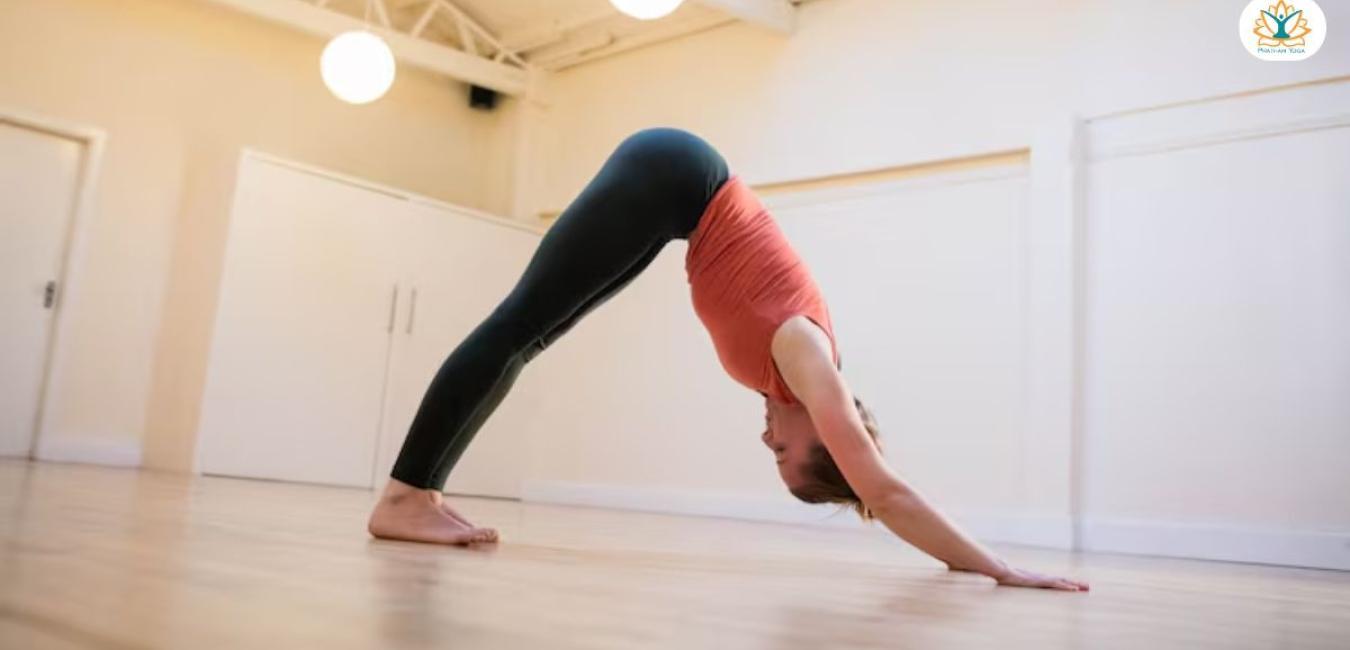
The down dog yoga position, also known as Adho Mukha Svanasana, is one of the most recognized and widely practiced poses in yoga. Whether you are a beginner stepping on the mat for the first time or an advanced practitioner refining your flow, this pose offers countless benefits for strength, flexibility, and overall well-being. More than just a transitional posture, the down dog yoga position is a full-body stretch that supports proper alignment and mindful breathing, making it a foundation of almost every yoga style.
What Is the Down Dog Yoga Position
The down dog yoga position forms an inverted V-shape with the body. The hands are placed firmly on the mat, shoulder-width apart, while the feet remain hip-width apart. As the hips lift toward the ceiling, the spine lengthens, and the heels gently press toward the floor. This posture creates a balance between grounding through the hands and lifting through the hips, encouraging a sense of strength and openness throughout the body.
The beauty of the down dog yoga position lies in its versatility. It can be practiced on its own, used as a warm-up, or included as a transition in various sequences such as Sun Salutations. Since it engages multiple muscle groups at once, it is as energizing as it is calming.
How to Perform the Down Dog Yoga Position
To practice the down dog yoga position safely and effectively, follow these steps:
-
Start on your hands and knees in a tabletop position.
-
Spread your fingers wide and press evenly through the palms.
-
Tuck your toes under and slowly lift your knees off the mat.
-
Straighten your legs while lifting your hips high, forming an inverted V shape.
-
Keep your head between your upper arms without letting it hang.
-
Press your heels gently downward and lengthen your spine.
-
Engage your core and breathe deeply, holding for 5 to 10 breaths.
Adjust the pose according to your comfort. Beginners may keep their knees slightly bent to avoid strain on the hamstrings or lower back. Over time, as flexibility increases, the legs can straighten more fully.
Benefits of the Down Dog Yoga Position
The down dog yoga position offers numerous physical, mental, and energetic benefits. It is one of the most effective poses for rejuvenation and grounding.
Full-Body Stretch
Down dog stretches the hamstrings, calves, shoulders, arches, and hands. It also lengthens the spine, helping to decompress the vertebrae and relieve tension built from long hours of sitting.
Strengthens the Body
This pose engages the arms, wrists, core, and legs. Holding the down dog yoga position regularly helps build endurance and stability, supporting proper form in other yoga asanas.
Improves Circulation
Since the heart is positioned above the head, this mild inversion encourages blood flow to the brain. This improves focus, energy, and mental clarity.
Supports Better Posture
By creating length in the spine and strengthening the upper back, down dog counteracts the effects of slouching or poor desk posture. It helps align the body and reduces stiffness in the lower back.
Calms the Mind
The rhythmic breathing encouraged in the pose promotes relaxation and reduces stress. The down dog yoga position creates space for deeper breaths, helping regulate the nervous system.
Common Mistakes and How to Correct Them
Even though the down dog yoga position is common, many practitioners struggle with alignment. Understanding these mistakes can help you improve your form and prevent injury.
Rounding the Back
If the spine rounds, it means the hamstrings may be tight. Keep the knees slightly bent to maintain length in the spine.
Collapsing the Shoulders
Allowing the shoulders to sink creates pressure on the joints. Instead, press firmly through the palms and lift through the arms.
Heels Not Touching the Floor
This is completely normal, especially for beginners. The goal is not to force the heels down but to stretch gradually. Flexibility will improve with consistent practice.
Locked Knees
Hyperextending the knees can strain the joints. Maintain a micro-bend for safety and alignment.
How Long Should You Hold the Down Dog Yoga Position
The ideal duration varies based on your level of experience. Beginners may start with 15 to 20 seconds, while more advanced practitioners can hold for a minute or longer. The key is to maintain steady breathing and avoid strain.
Why the Down Dog Yoga Position Is Essential in Yoga Practice
The down dog yoga position strengthens, stretches, grounds, and energizes the body simultaneously. It acts as a reset during intense flows and helps transition between poses smoothly. Because it creates balance between effort and ease, it becomes a powerful reminder of mindful movement and breath connection.
For beginners, mastering this pose builds a solid foundation for future progress. For experienced yogis, it offers an opportunity to refine alignment and deepen flexibility. No matter your level, the down dog yoga position remains a timeless and transformative posture.

 English
 French
 Spanish
 Portuguese
 Deutsch
 Turkish
 Dutch
Dutch
 Italiano
 Russian
 Romaian
 Portuguese (Brazil)
 Tiếng Việt