


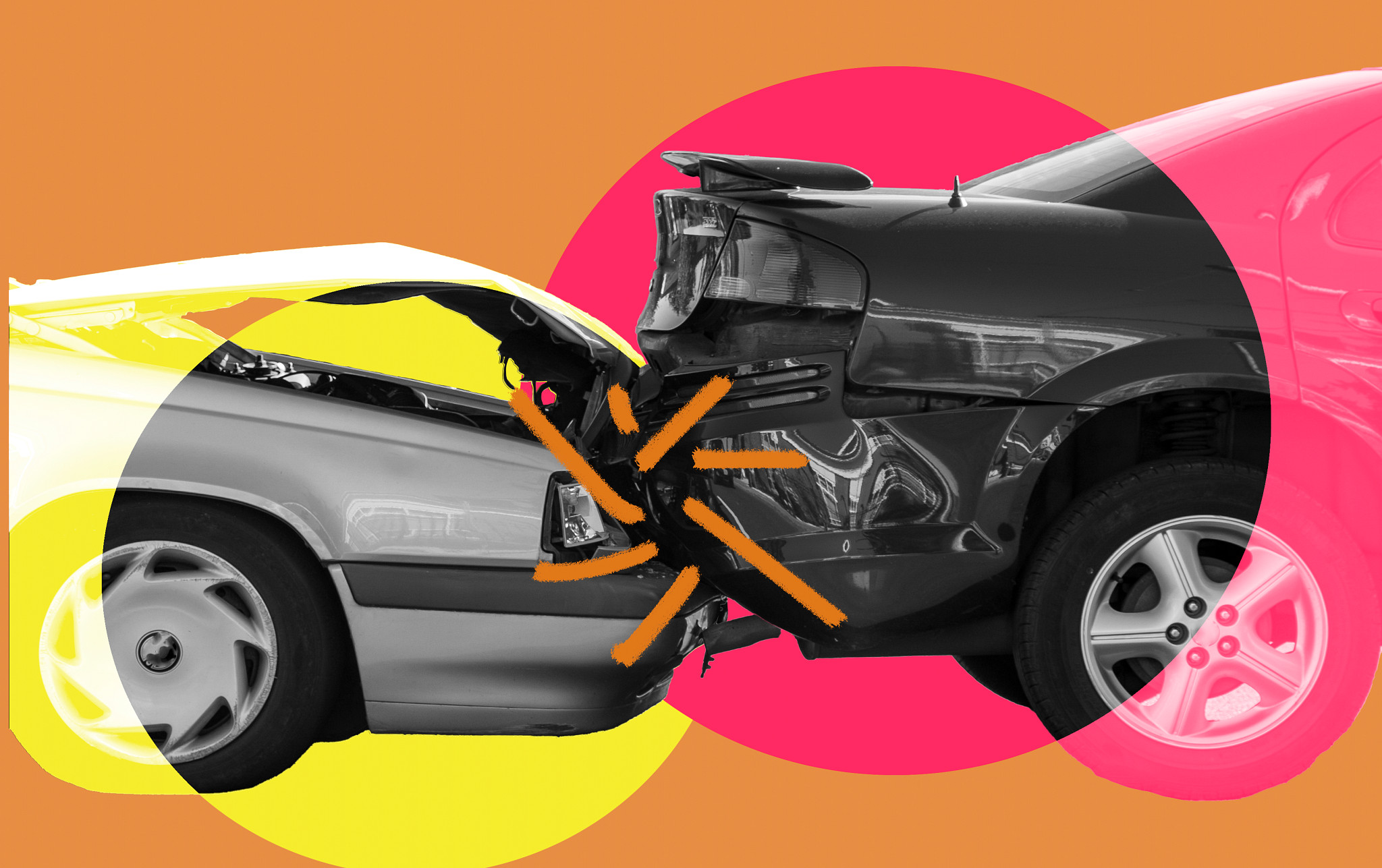
A fatal car crash is one of the most devastating events a family can experience. In a single moment, everything changes. Beyond the immediate shock and grief, there are also practical matters that need attention often during a time when it feels hardest to focus.
Understanding the aftermath of a fatal car crash can help bring some clarity during an incredibly difficult period. While nothing can make the situation easy, knowing what to expect can reduce some of the uncertainty.
The Immediate Impact
The first hours and days after a fatal accident are often overwhelming. Families are usually informed by authorities, and the emotional weight of the news can be hard to process.
During this time, there may also be initial steps handled by officials, such as identifying the victim and documenting the accident. These procedures are necessary, but they can feel impersonal in the face of such a personal loss.
Support from close friends, family members, or community can play an important role in helping people get through these early moments.
Dealing with Practical Responsibilities
Alongside grief, there are practical responsibilities that need to be addressed. These can include funeral arrangements, handling personal belongings, and managing official paperwork.
In some cases, families may also need to communicate with insurance companies or other parties involved in the accident. These conversations can feel difficult, especially when emotions are still raw.
Taking things one step at a time can make the process more manageable. It’s not about handling everything at once—it’s about moving forward gradually.
Understanding Legal and Financial Aspects
The aftermath of a fatal car crash can also involve legal and financial considerations. Depending on the circumstances, there may be questions about fault, insurance coverage, or compensation.
Some families explore legal options to better understand their rights. This isn’t about placing blame it’s about ensuring that all aspects of the situation are addressed fairly.
Financial concerns can also arise, especially if the person who passed away contributed to the household income. These realities add another layer of complexity to an already difficult time.
The Emotional Side of Loss
Grief doesn’t follow a clear timeline. Everyone processes loss differently, and there’s no “right” way to feel.
Some people experience intense emotions right away, while others may feel numb at first. Over time, feelings can shift and change in unexpected ways.
The aftermath of a fatal car crash isn’t just about what happens immediately it’s also about the ongoing process of adjusting to life after the loss.
Supporting Children and Family Members
When children are involved, the situation requires even more care. They may not fully understand what has happened, and their reactions can vary depending on their age.
Open, honest communication shared in a way they can understand can help them process the loss. At the same time, maintaining routines and providing reassurance can offer a sense of stability.
Other family members may also need support, even if they don’t always express it openly.
The Role of Community and Support Systems
During times like this, support systems become incredibly important. Friends, extended family, and even neighbors often step in to help with both emotional and practical needs.
Sometimes, professional support such as counseling can also be helpful. Speaking with someone who understands grief can provide a safe space to process emotions.
No one is expected to handle everything alone.
Moving Forward Over Time
The idea of “moving on” can feel uncomfortable after a loss. For many people, it’s less about moving on and more about learning how to move forward.
This might involve finding ways to remember and honor the person who passed away while gradually rebuilding daily life.
There’s no set timeline for this process. Some days may feel manageable, while others are more difficult. Both are part of the journey.
Finding Small Moments of Stability
In the aftermath of a fatal car crash, even small moments of stability can make a difference. Simple routines, familiar activities, or time spent with supportive people can provide a sense of grounding.
These moments don’t erase the loss, but they can help create space for healing over time.
It’s often these small steps that gradually lead to a sense of balance again.
A Gentle Perspective on Healing
Healing after such a loss doesn’t mean forgetting or leaving the past behind. It’s about finding a way to carry the memory forward while continuing with life.
For some, that might involve personal reflection. For others, it may come through connecting with others who have gone through similar experiences.
There’s no single path, and that’s okay.
Final Thoughts
The Fatal Car Crash Aftermath is not just about immediate events it’s a combination of emotional, practical, and sometimes legal challenges that unfold over time.
While the experience is deeply personal, understanding what to expect can help reduce some of the uncertainty. Taking things step by step, leaning on support systems, and allowing space for grief are all part of navigating this difficult journey.
There’s no easy way through it, but with time, support, and patience, it becomes possible to find a path forward one step at a time.

 English
 Arabic
 French
 Spanish
 Portuguese
 Deutsch
 Turkish
 Dutch
Dutch
 Russian
 Romaian
 Portuguese (Brazil)
 Tiếng Việt