


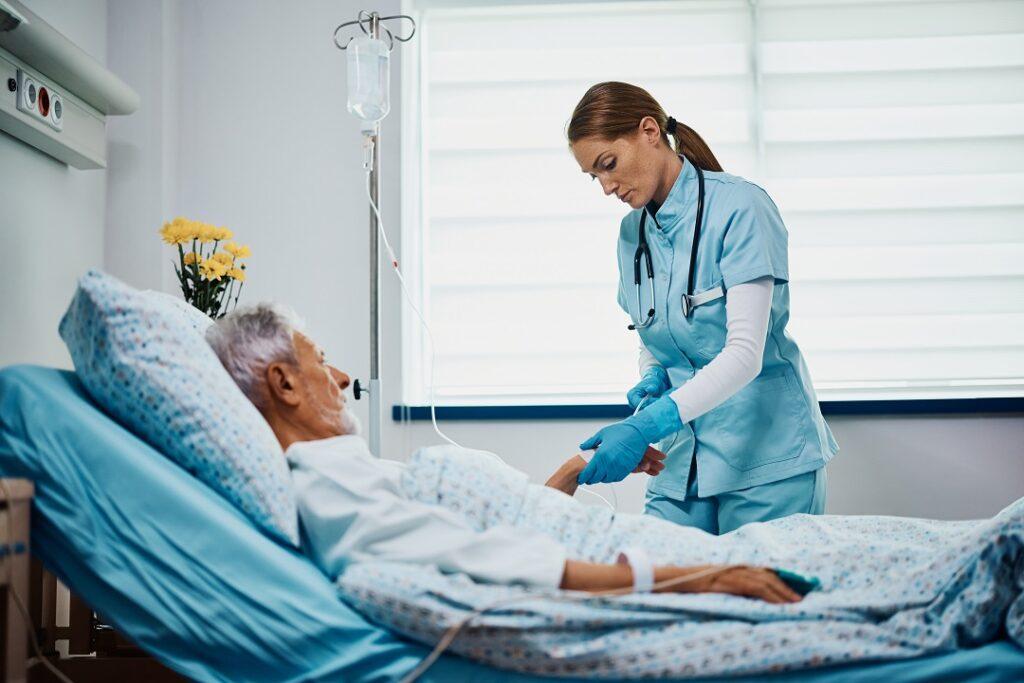
Post operative care at home requires more than just medication and wound care; it also depends heavily on creating a safe and supportive environment where patients can recover without risks or complications. A well-prepared home setting reduces accidents, prevents infections, and promotes faster healing after surgery. In many cases, guidance from a Doctor at Home service can help families understand how to set up a safe recovery space tailored to the patient’s condition. When the environment is properly organized, patients feel more comfortable, confident, and secure throughout their recovery journey.
Importance of a Safe Recovery Environment:
A safe environment is essential because post-surgical patients are often physically weak, less mobile, and more vulnerable to accidents or infections. Even small hazards at home can lead to serious setbacks in recovery. Key reasons for safety include:
- Reduced risk of falls and physical injuries
- Lower chances of infection from unclean surroundings
- Improved comfort and emotional well-being
- Faster and more stable recovery outcomes
A well-prepared environment forms the foundation of effective post operative care at home.
Preparing the Patient’s Room for Recovery:
The patient’s room should be designed to maximize comfort, accessibility, and safety during recovery. A properly arranged space helps reduce unnecessary movement and strain. Important considerations include:
- Keeping the room clean, quiet, and well-ventilated
- Ensuring the bed is comfortable and at an accessible height
- Placing essential items like water, medicines, and phone nearby
- Maintaining adequate lighting for both day and night use
A well-organized room improves both physical recovery and emotional stability.
Preventing Falls and Physical Injuries:
Falls are one of the most common risks during home recovery, especially when patients have limited mobility or dizziness after surgery. Preventing accidents is critical for uninterrupted healing. Key safety measures include:
- Removing loose rugs, cords, and clutter from walkways
- Installing grab bars in bathrooms and near the bed
- Ensuring non-slip mats are placed in high-risk areas
- Assisting patients during walking or movement
These precautions significantly reduce the risk of injuries during recovery.
Maintaining Hygiene and Cleanliness:
Hygiene plays a major role in preventing infections and ensuring a safe healing environment after surgery. A clean home reduces exposure to harmful bacteria. Important hygiene practices include:
- Regular cleaning and disinfecting of surfaces
- Washing hands before and after patient care
- Keeping bedding and clothes clean and dry
- Proper disposal of medical waste and dressings
Maintaining cleanliness is a core part of safe post operative care at home.
Ensuring Safe Bathroom Use:
Bathrooms are high-risk areas for post-surgical patients due to slippery surfaces and limited support. Proper modifications can greatly improve safety. Recommended steps include:
- Installing handrails near toilets and showers
- Using non-slip mats inside and outside the bathroom
- Providing shower chairs for weak or immobile patients
- Ensuring constant supervision during early recovery stages
These adjustments help prevent accidents and support safe independence.
Organizing Medication and Medical Supplies:
Proper organization of medications and supplies reduces errors and ensures timely treatment during recovery. A structured system improves safety and efficiency. Key practices include:
- Using labeled containers for different medications
- Keeping a medication schedule chart visible
- Storing wound care supplies in a clean, accessible place
- Avoiding mix-ups by separating similar-looking medicines
A well-organized system ensures smooth and error-free care.
Managing Air Quality and Ventilation:
Good air quality is important for preventing infections and promoting faster healing after surgery. Poor ventilation can increase discomfort and health risks. Important measures include:
- Keeping windows open for fresh air circulation
- Avoiding smoke, dust, and strong chemical odors
- Using air purifiers if necessary
- Maintaining a comfortable room temperature
Clean air contributes to better respiratory health and overall recovery.
Supporting Safe Mobility Within the Home:
Patients need to move safely within the home to prevent stiffness and improve circulation, but movement must be controlled and supported. Safety measures include:
- Keeping pathways clear and well-lit
- Providing walking aids like canes or walkers if needed
- Assisting patients during movement to avoid strain
- Encouraging slow and supervised activity
Safe mobility is essential for reducing complications during recovery.
Reducing Infection Risks at Home:
Infection prevention is a key priority in post-surgical recovery and depends heavily on maintaining a controlled environment. Important steps include:
- Regular sanitization of frequently touched surfaces
- Keeping pets away from the patient’s recovery area
- Following proper wound dressing techniques
- Monitoring for early signs of infection
A clean environment significantly reduces infection risks and supports faster healing.
Emotional Comfort Through a Safe Environment:
A safe and organized environment also plays a psychological role by reducing stress and helping patients feel more secure. Emotional well-being supports physical healing. Key aspects include:
- Maintaining a calm and peaceful atmosphere
- Allowing family presence for emotional support
- Avoiding unnecessary noise or disturbances
- Encouraging positive interaction and reassurance
A supportive environment enhances overall recovery experience.
When Professional Help is Needed:
Even with a well-prepared home environment, some situations require medical attention to ensure patient safety. Warning signs include:
- Persistent fever or signs of infection
- Sudden weakness or difficulty moving
- Excessive pain not controlled by medication
- Abnormal wound discharge or swelling
In such cases, contacting a healthcare provider or arranging a Doctor at Home visit ensures timely intervention and safe recovery.
Final Thoughts.
Creating a safe environment is one of the most important aspects of post operative care at home, as it directly impacts recovery speed, comfort, and patient safety. From preventing falls and maintaining hygiene to ensuring proper medication organization and emotional support, every detail contributes to successful healing. With careful planning and, when needed, professional guidance such as Doctor at Home services, families can create a secure and supportive space that promotes faster recovery and reduces complications. A well-designed home environment ultimately transforms recovery into a safer, smoother, and more positive experience.

 English
 Arabic
 French
 Spanish
 Portuguese
 Deutsch
 Turkish
 Dutch
Dutch
 Italiano
 Russian
 Romaian
 Portuguese (Brazil)