


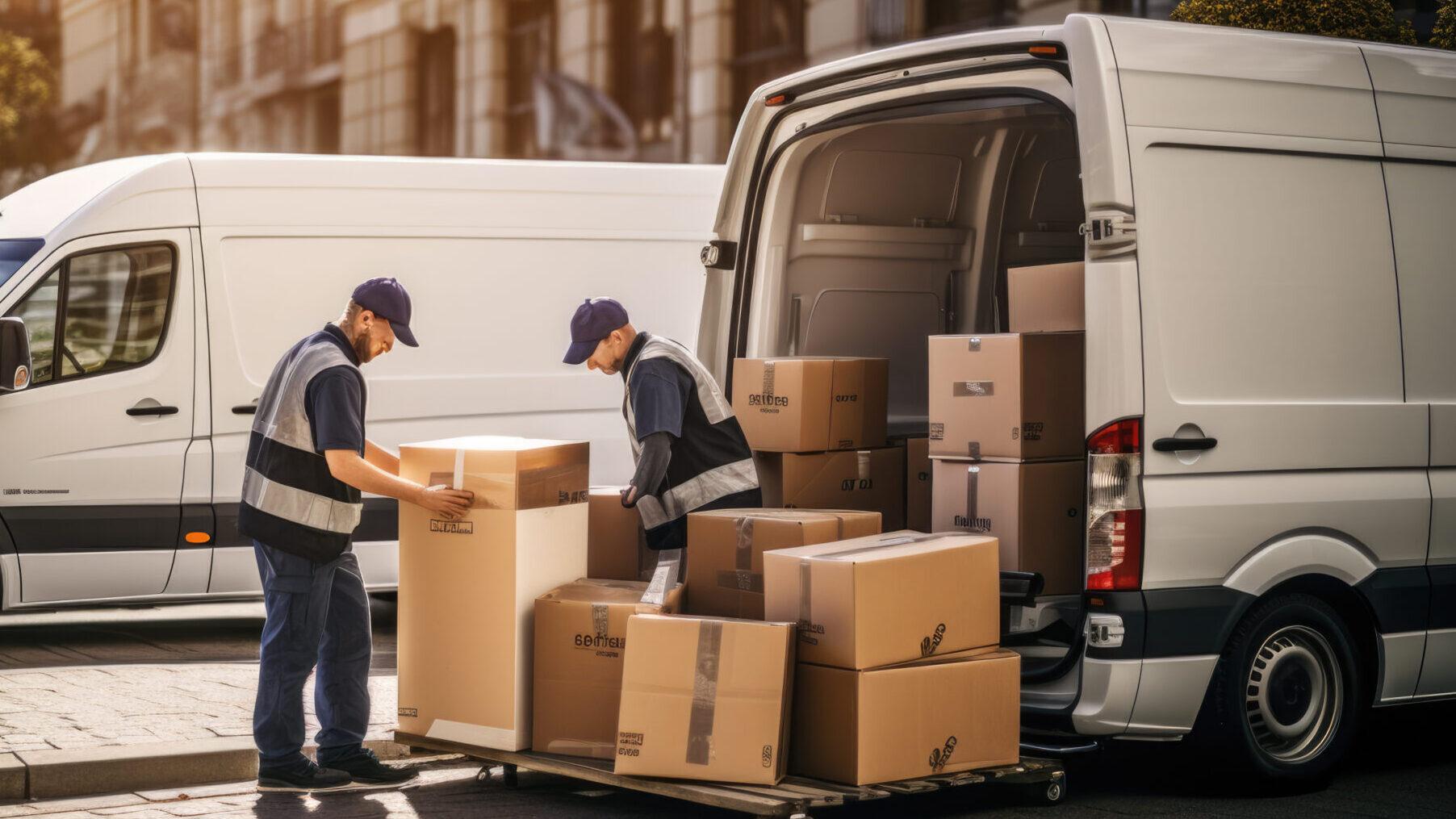
The landscape of Indian e-commerce has shifted from a convenience to a race against time. A few years ago, waiting a week for a package was the norm; today, that feels like an eternity. As urban lifestyles accelerate, the demand for next day delivery in India has become the gold standard for consumer satisfaction. But for a customer, that "click" on the checkout button isn't just a transaction, it’s the start of a high-stakes countdown. To win in this environment, brands must understand that speed is only one piece of the puzzle.
1. Real-Time Transparency
The moment a customer chooses a fast shipping option, their anxiety levels spike. They want to know exactly where their package is. It is no longer enough to provide a generic "In Transit" status. Customers demand granular tracking knowing when the item leaves the warehouse, when it reaches the local hub, and the exact moment the delivery partner is out for delivery. Real-time GPS tracking has transitioned from a "luxury feature" to a basic expectation.
2. The "Intact" Guarantee
Speed is useless if the product arrives damaged. In the rush to meet a 24-hour window, the risk of mishandling increases. Customers want the assurance that despite the velocity of the logistics chain, their fragile electronics or premium skincare products are being handled with care. Robust packaging that doesn’t compromise on eco-friendliness is a major plus point for the modern, conscious consumer.
3. Communication and Predictability
What happens if the rider gets a flat tire or the weather turns sour? Customers are generally forgiving of minor delays, provided they are informed before the deadline passes. Proactive communication via SMS or WhatsApp builds trust. Furthermore, giving the customer the ability to provide specific delivery instructions such as "leave with security" or "call before arriving" ensures the "doorstep" part of the journey is as seamless as the "click" part.
4. Simplified Returns
Paradoxically, the faster a customer wants an item, the more they value a simple return process. If a dress is ordered for a party tomorrow and it doesn't fit, the customer wants to know they haven't wasted their money. A "no-questions-asked" return policy that is as fast as the delivery itself creates a safety net that encourages more frequent, high-value purchases.
5. Cost-Value Equilibrium
While speed is a priority, the Indian consumer remains value-conscious. Customers are often willing to pay a small premium for speed, but they prefer models like loyalty subscriptions where the cost of fast shipping is amortized over many orders. Offering free next-day shipping above a certain order value is one of the most effective ways to increase average order size while meeting delivery expectations.
The Future of the Last Mile
The "click to doorstep" journey is a complex symphony of warehousing, sorting, and last-mile logistics. As infrastructure improves and AI-driven demand forecasting becomes more accurate, the window of delivery will likely shrink even further. However, the core desires of the customer - visibility, safety and reliability will remain constant. By perfecting the logistics of next day delivery service, businesses are not just moving boxes; they are building a reputation for reliability that keeps customers coming back for more.

 English
 Arabic
 French
 Spanish
 Portuguese
 Deutsch
 Turkish
 Dutch
Dutch
 Italiano
 Romaian
 Portuguese (Brazil)
 Tiếng Việt