


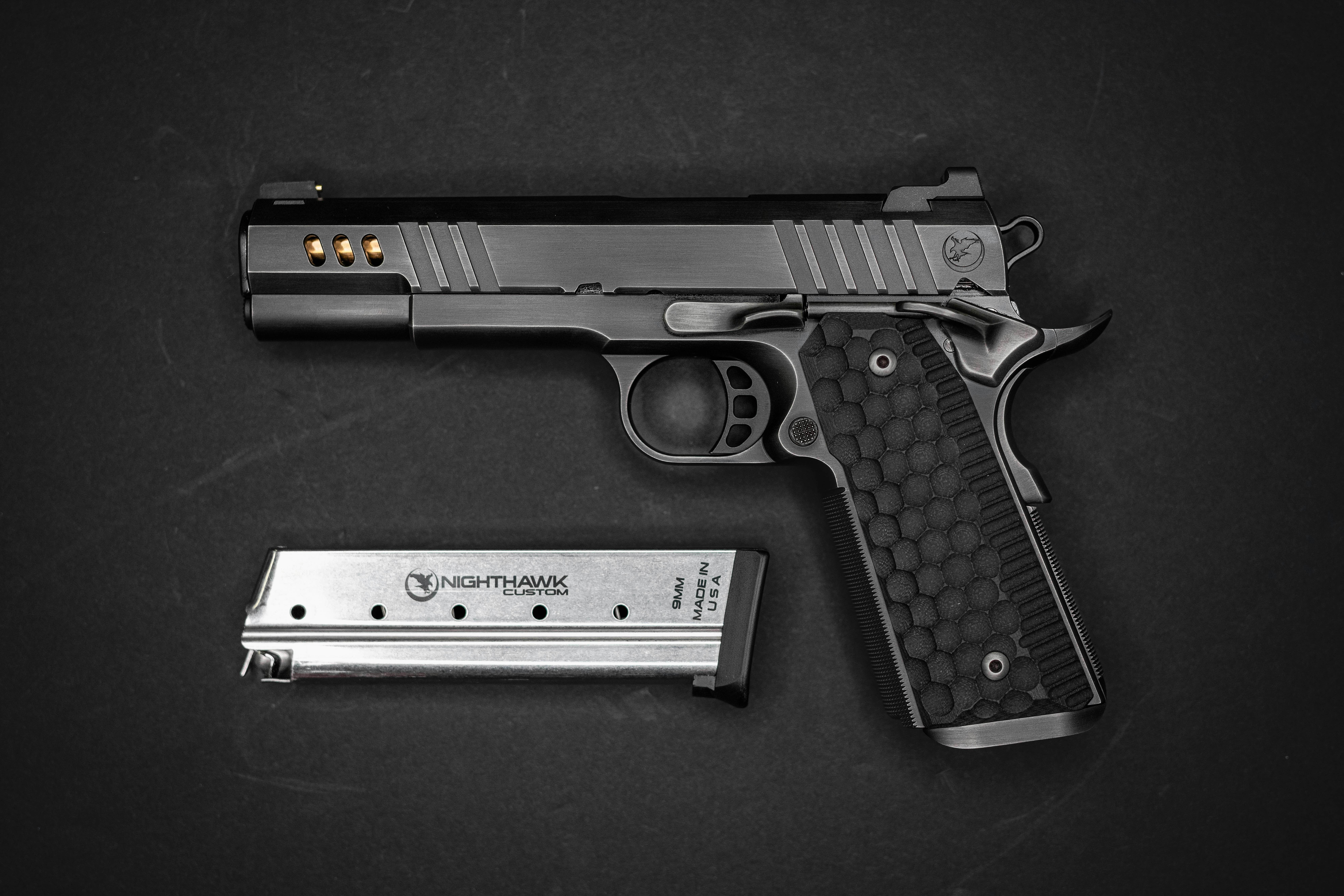
The BROWNING FN HI WW2 pistol is one of the most sought-after firearms among collectors, military historians, and enthusiasts of World War II memorabilia. Its rich history, mechanical reliability, and use by multiple nations during the war make it a highly collectible piece. However, with high demand comes a market filled with reproductions, postwar models, and altered examples, which can make identifying an authentic wartime pistol challenging. For collectors, distinguishing a true World War II-era Hi Power from later versions is crucial for historical accuracy and investment value.
This guide will provide an in-depth look at how to identify an original Browning FN Hi WW2, covering historical context, key markings, production variations, materials, and practical tips for collectors to ensure they acquire a genuine piece of history.
Understanding the History of the Browning FN Hi WW2
Before learning how to identify an authentic example, it’s important to understand why the Browning FN Hi WW2 holds such historical significance. Designed by John Moses Browning and finalized by Dieudonné Saive at Fabrique Nationale (FN) in Belgium, the Hi Power was one of the first high-capacity semi-automatic pistols. It featured a 13-round magazine at a time when most pistols held only 7-8 rounds, giving it a tactical advantage for military use.
During World War II, the Hi Power was produced under difficult conditions. Belgium was occupied by Germany from 1940 to 1944, and production continued under German supervision for their forces. Many pistols were also captured, repurposed, or smuggled to resistance groups. As a result, surviving wartime Hi Powers are rare, and each carries unique markings or signs of its specific history. This historical backdrop is essential for collectors attempting to authenticate a BROWNING FN HI WW2 pistol.
Key Features of an Original Browning FN Hi WW2
1. Manufacturer Markings
Authentic wartime pistols bear distinctive markings that indicate the factory of origin, production date, and military acceptance. Key markings include:
- Fabrique Nationale (FN) Proof Marks: Typically located on the left side of the slide and frame. These marks confirm Belgian origin.
- Serial Numbers: Original WW2 Hi Powers have serial numbers consistent with wartime production batches. Numbers can be cross-referenced with FN production records.
- Military Acceptance Stamps: German-occupied production pistols often feature Waffenamt (WA) proof marks or acceptance stamps, usually a number within a shield. Allied pistols may bear British or other national markings, depending on the user.
Collectors should familiarize themselves with these stamps and ensure they match the known patterns from 1935–1945 production runs.
2. Slide and Frame Features
The physical construction of the slide and frame provides clues to authenticity. Look for:
- Material: Original Hi Powers were forged from high-quality steel with consistent finishes.
- Finish: WW2 models typically had blued or parkerized finishes. Matte or polished finishes may indicate postwar refinishing.
- Slide Engravings: The slide should have crisp, factory-stamped text, often including "FABRIQUE NATIONALE D’ARMES DE GUERRE HERSTAL-BELGIQUE" and model information.
Any inconsistencies in font, placement, or depth can indicate alterations or reproduction.
3. Grip and Wood Panels
The original Browning FN Hi WW2 pistols typically came with wooden grips featuring checkered patterns for better hold. Important identifiers include:
- Checkering Pattern: Authentic wartime grips have specific checkering designs; aftermarket or reproduction grips often differ in detail.
- Material: Wood is generally walnut or similar hardwood; plastic or synthetic grips usually indicate later production.
- Fit: Original grips should fit seamlessly without gaps or modification marks.
Collectors often pay close attention to grips, as they are frequently replaced or modified over time.
4. Barrel and Recoil Spring
Original barrels and recoil springs are another indicator of authenticity:
- Barrel Markings: The inside of the barrel may have proof marks or manufacturer codes.
- Length and Diameter: Wartime barrels maintain consistent dimensions; postwar reproductions sometimes vary.
- Recoil Spring: While often replaced for shooting safety, original springs may have manufacturer stamps and older material composition.
5. Magazine and Magazine Well
The Hi Power’s distinctive 13-round magazine is a hallmark of the design:
- Magazine Markings: Original magazines often have matching serial numbers or proof stamps.
- Fit: The magazine should insert and function smoothly without modification.
- Base Plate: Wartime base plates may feature specific markings indicating military acceptance.
Identifying Variations and Production Periods
During World War II, Hi Power production varied depending on location, year, and occupation status. Recognizing these variations helps collectors authenticate and date pistols.
Pre-War Belgian Models (1935–1940)
- Smooth blued finish
- Standard FN proof marks
- Fully factory-original grips and frames
German-Occupied Production (1940–1944)
- Waffenamt acceptance marks
- Possible modified markings to reflect German control
- Variations in finish and small design adjustments due to wartime material constraints
Post-Liberation Allied Production (1944–1945)
- May include British or Allied acceptance marks
- Generally higher-quality finishing due to improved material access
- Serial numbers correspond to late-war production batches
Avoiding Reproductions and Fakes
Because the Browning FN Hi WW2 is highly collectible, reproductions and altered examples are common. Key signs of reproduction include:
- Non-matching or inconsistent serial numbers
- Modern materials like polymer grips or stainless finishes
- Missing or poorly applied proof marks
- Signs of re-engraving or polishing that obscure original markings
Collectors should always compare potential purchases to verified examples from reputable reference sources or consult a trusted firearms historian.
Practical Tips for Collectors
- Research Production Records: Use FN archives or collector databases to verify serial numbers and markings.
- Check Provenance: Documentation, military issue papers, or historical records add authenticity.
- Inspect Condition Carefully: Rust, pitting, or wear may affect value but does not necessarily indicate inauthenticity.
- Consult Experts: Firearms appraisers, gunsmiths, or established collectors can provide professional assessments.
- Avoid Impulsive Purchases: Take time to compare examples and confirm authenticity before acquiring a pistol.
Mid-Article Insight: Why Authenticity Matters
The value of a BROWNING FN HI WW2 pistol is not merely monetary; it is also historical. Owning a genuine wartime Hi Power allows collectors to hold a piece of World War II history, connecting them to the soldiers, engineers, and events of the era. Even small deviations from authenticity—incorrect markings, reproduction parts, or postwar modifications—can significantly reduce the collectible and historical value of the pistol.
Collectors who focus on authenticity can enjoy both the prestige of owning a true artifact and the satisfaction of preserving history for future generations.
Preserving and Maintaining an Authentic Browning FN Hi WW2
Once a collector has acquired an authentic pistol, proper care is essential to preserve both its historical and functional value.
Maintenance Tips:
- Clean the pistol gently with non-abrasive materials
- Avoid over-polishing to maintain original finish
- Store in a controlled environment to prevent rust or damage
- Regularly inspect wooden grips, magazines, and springs for deterioration
- Use professional gunsmiths familiar with historical firearms for any restoration
Proper preservation ensures that the Browning FN Hi WW2 can be passed down through generations while retaining its collectible integrity.
Market Considerations
Authentic Browning FN Hi WW2 pistols are increasingly rare, and prices continue to rise as collector interest grows. Factors affecting market value include:
- Condition: Original finish and intact markings command higher prices
- Provenance: Military documentation or battlefield history increases desirability
- Scarcity: Wartime production numbers were limited compared to modern firearms
- Completeness: Original accessories such as holsters or magazines add significant value
Collectors should monitor reputable marketplaces, auctions, and specialized dealers to identify opportunities for acquiring authentic examples.
Conclusion: A Collector’s Treasure
The BROWNING FN HI WW2 pistol remains a cornerstone for collectors of military firearms. Its historical significance, high-capacity design, and enduring mechanical reliability make it both a valuable investment and a tangible link to World War II history. Identifying an authentic example requires careful attention to manufacturer markings, serial numbers, physical features, and historical context. With patience, research, and expert consultation, collectors can confidently acquire and preserve this remarkable piece of history.
For those seeking verified examples or exploring the market for authentic Browning FN Hi WW2 pistols, platforms like GunsAmerica provide a reliable avenue to connect with reputable sellers, compare pricing, and ensure that every acquisition meets the standards of historical authenticity and collectible value.

 English
 Arabic
 Spanish
 Portuguese
 Deutsch
 Turkish
 Dutch
Dutch
 Italiano
 Russian
 Romaian
 Portuguese (Brazil)
 Tiếng Việt