


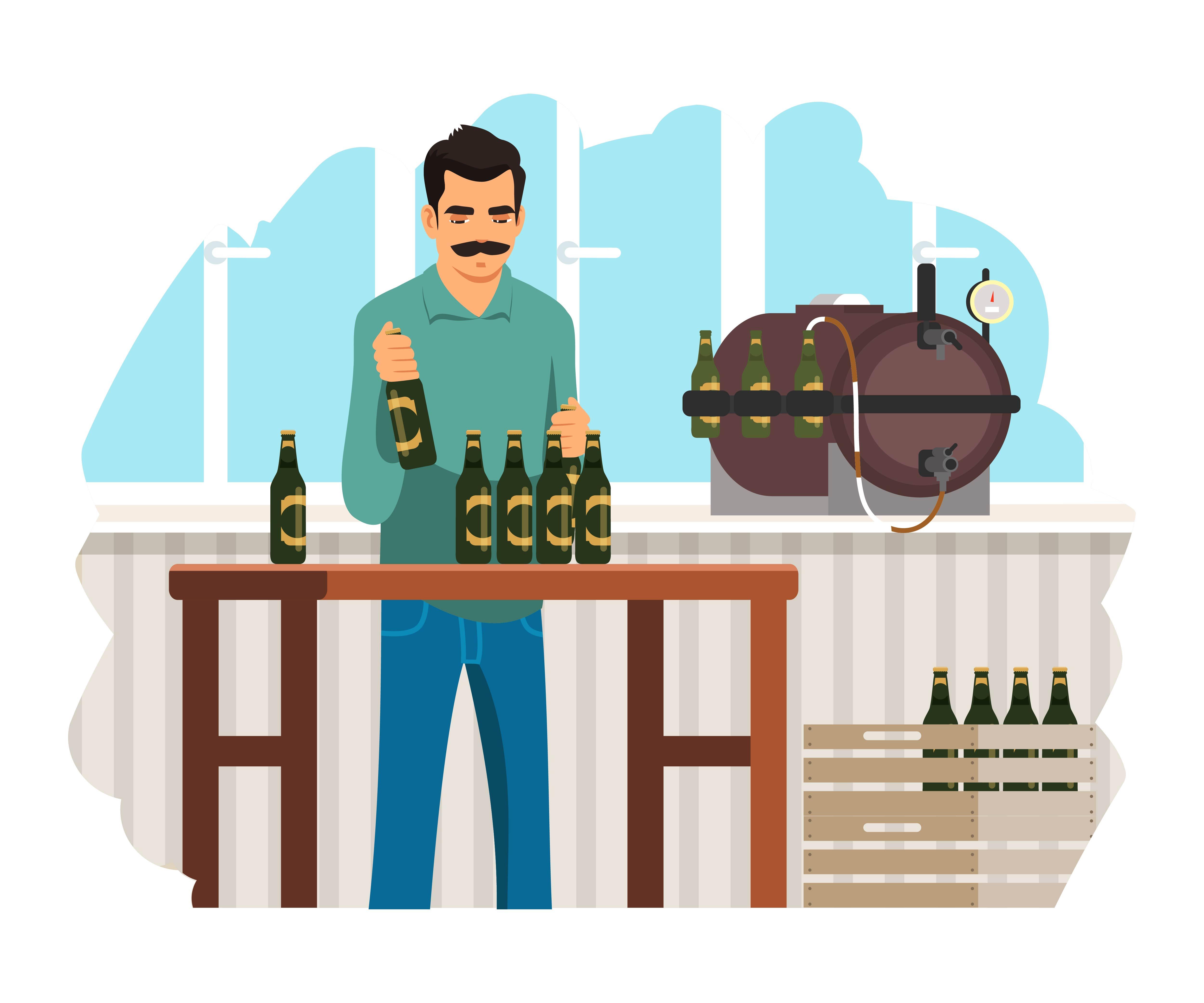
Wine bottles are often associated with the beverage they contain, but once emptied, they can serve many additional purposes. In the United States, there is a growing interest in empty wine bottles for sale due to their versatility in crafts, home projects, storage, and small-scale production. From hobbyists and artists to home brewers and event planners, a wide range of people look for empty wine bottles that can be reused in creative or practical ways.
The availability of empty wine bottles has increased through online marketplaces, recycling channels, and specialty suppliers. These bottles come in various shapes, sizes, and colors, allowing individuals and small businesses to choose the type that suits their intended use.
This article explores the concept of empty wine bottles for sale, including their characteristics, common uses, sourcing options, and important considerations when purchasing them.
Understanding Empty Wine Bottles
Empty wine bottles are glass containers that were originally used to store wine but are later repurposed or sold without their original contents. They may come directly from recycling streams, restaurants, wineries, or manufacturers that supply unused bottles intended for filling.
These bottles typically maintain the same structural qualities as standard wine bottles, including thick glass construction, narrow necks, and compatibility with corks or screw caps. Because glass is durable and recyclable, empty wine bottles are often reused for a variety of applications.
In the United States, both used and unused empty wine bottles are available for purchase. Used bottles may require cleaning and preparation before reuse, while unused bottles are typically ready for immediate use in production or packaging.
Types of Empty Wine Bottles Available
When searching for empty wine bottles for sale, buyers often encounter several types based on shape, color, and design.
Standard Wine Bottles
Standard wine bottles are the most commonly available type. They generally hold 750 milliliters and are widely used across the wine industry. Their simple design makes them suitable for a wide range of reuse purposes.
Bordeaux-Style Bottles
These bottles feature straight sides and high shoulders. They are commonly used for red and white wines and are widely available in the secondary market due to their popularity.
Burgundy-Style Bottles
Burgundy-style bottles have sloping shoulders and a slightly wider body. Their distinctive shape makes them popular for decorative projects and craft applications.
Sparkling Wine Bottles
Sparkling wine bottles are heavier and thicker than regular wine bottles because they must withstand higher internal pressure. Their strength makes them useful for carbonated beverages or fermentation-related uses.
Colors of Wine Bottles
Empty wine bottles for sale are also categorized by glass color. The color plays a role in protecting the original contents from light exposure, but it also affects how the bottle can be reused.
Common colors include:
-
Green: One of the most common colors used for both red and white wine bottles.
-
Amber: Offers strong protection from light and is sometimes used for specialty beverages.
-
Clear (Flint): Transparent bottles often used for decorative purposes or craft projects.
-
Blue or specialty colors: Less common but sometimes sought after for artistic uses.
The color can influence how the bottle is used after purchase, especially for decorative or display purposes.
Common Uses for Empty Wine Bottles
The demand for empty wine bottles for sale comes from many different types of users. These bottles are frequently reused in both creative and practical ways.
Home Brewing and Fermentation
Some individuals involved in home brewing or fermentation use empty wine bottles for bottling beverages such as homemade wine, cider, or infused drinks. The glass structure helps protect beverages while maintaining freshness.
Decorative Projects
Empty wine bottles are often used in decorative projects. They can be transformed into centerpieces, candle holders, or lighting fixtures. Their distinctive shapes and colored glass make them appealing for interior decoration.
DIY Craft Projects
Craft enthusiasts frequently use wine bottles in do-it-yourself projects. Bottles can be painted, etched, or cut into different shapes to create unique decorative pieces.
Event Decorations
Event planners sometimes use empty wine bottles for table décor, floral arrangements, or themed displays at weddings and gatherings. Their reusable nature allows them to be incorporated into many different design styles.
Storage Containers
In some cases, empty wine bottles are reused as storage containers for liquids such as oils, homemade syrups, or flavored beverages. With the appropriate closures, they can serve as durable glass containers.
Sources of Empty Wine Bottles for Sale
People searching for empty wine bottles for sale in the United States can find them through several channels.
Online Marketplaces
Many individuals and businesses list empty wine bottles for sale on online platforms. These listings may include both used and unused bottles in small or bulk quantities.
Recycling Centers
Some recycling centers sell cleaned glass bottles that have been sorted for reuse. These bottles often come from restaurants, events, or wine distributors.
Restaurants and Bars
Restaurants and bars generate large numbers of empty wine bottles. Some establishments sell or give them away in bulk to people who wish to reuse them.
Packaging Suppliers
Certain packaging suppliers offer new, unused wine bottles designed for beverage producers, home brewers, and specialty beverage makers.
Preparing Used Wine Bottles for Reuse
When purchasing used empty wine bottles, proper cleaning and preparation are essential before they can be reused.
Label Removal
Wine bottle labels are usually attached with adhesive. Removing them may require soaking the bottle in warm water or using a gentle cleaning solution.
Cleaning and Sanitizing
After labels are removed, bottles should be thoroughly cleaned. Sanitizing is particularly important if the bottles will be used for beverages.
Inspecting for Damage
Used bottles should be checked for cracks, chips, or structural weaknesses. Damaged bottles should not be reused, especially for pressurized liquids.
Environmental Benefits of Reusing Wine Bottles
The sale and reuse of empty wine bottles contribute to broader sustainability efforts. Glass is one of the most recyclable materials available, and reusing bottles can help reduce waste.
Reusing bottles delays the need for recycling or disposal, which saves energy and resources. Glass manufacturing requires high temperatures and significant raw materials, so extending the life cycle of bottles can reduce environmental impact.
In addition, creative reuse projects encourage individuals to view glass containers as valuable resources rather than disposable items.
Considerations When Buying Empty Wine Bottles
Before purchasing empty wine bottles for sale, buyers often evaluate several factors.
Bottle Condition
The condition of the bottle is one of the most important considerations. Bottles should be free of cracks and excessive wear.
Quantity
Some sellers offer bottles individually, while others provide them in bulk quantities. Bulk purchases may be useful for larger projects or events.
Bottle Type
Different shapes and styles may be required depending on the intended use. For example, fermentation projects may require bottles compatible with corks or swing tops.
Cleaning Requirements
Used bottles may require additional cleaning and preparation before use, which can affect the amount of time needed before they are ready for a project.
Legal and Safety Considerations
Although empty wine bottles can be reused in many ways, safety should always be considered. Bottles designed for still wine may not be suitable for beverages that produce significant carbonation pressure.
In addition, bottles used for food or beverages should be properly sanitized to prevent contamination. Ensuring that bottles are food-safe and structurally sound is an important part of responsible reuse.
The Growing Market for Reusable Glass Bottles
Interest in sustainable living and do-it-yourself projects has contributed to the demand for empty wine bottles for sale. Many people now look for ways to reuse everyday items instead of discarding them after a single use.
As a result, empty wine bottles have become valuable materials for artists, hobbyists, and small-scale beverage makers. Their durability, distinctive design, and widespread availability make them ideal for a variety of applications.
In the United States, this trend reflects a broader shift toward creative reuse and environmentally conscious consumption.
Surgery
Empty wine bottles for sale represent more than just leftover packaging from wine consumption. These glass containers have become versatile resources used in home projects, crafts, storage, and beverage production. Their strong construction, varied shapes, and attractive colors make them suitable for numerous applications.
From decorative uses to practical storage and fermentation, empty wine bottles continue to find new purposes long after their original contents are gone. As awareness of sustainability and reuse grows, the demand for empty wine bottles for sale is likely to remain steady across different communities and industries.

 English
 Arabic
 Spanish
 Portuguese
 Deutsch
 Turkish
 Dutch
Dutch
 Italiano
 Russian
 Romaian
 Portuguese (Brazil)
 Tiếng Việt