


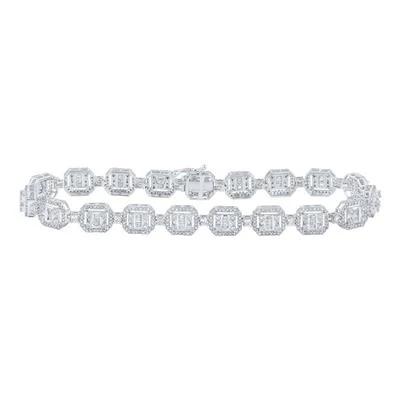
Certain pieces transcend trends and remain timeless symbols of elegance and sophistication. Among these, the diamond tennis bracelet stands out. Known for its sleek design, continuous row of diamonds, and versatile appeal.
This bracelet has captured the hearts of jewelry enthusiasts, collectors, and investors alike. But when considering such a purchase, the question arises: are tennis bracelets worth the investment?
The Timeless Appeal of Diamond Tennis Bracelets
Diamond bracelets are celebrated for their understated yet luxurious design. Typically featuring a line of diamonds set in precious metal like gold or platinum, they exude both sophistication and simplicity. The uniformity of the stones allows for a sparkle that is noticeable without being ostentatious, making it a perfect accessory for both everyday wear and special occasions.
What sets diamond tennis bracelets apart from other jewelry pieces is their versatility. They pair well with both casual and formal attire, enhancing the wearer’s style without overpowering it. This timeless quality ensures that the bracelet does not fall out of favor, which is a crucial consideration for anyone thinking of it as an investment piece.
Evaluating the Investment Potential
When considering the purchase of a diamond bracelet, it is important to evaluate it from both an aesthetic and financial perspective. Unlike other luxury items that depreciate quickly, quality diamond jewelry tends to retain, and in some cases, appreciate in value over time. Factors such as the clarity, cut, carat weight, and color of the diamonds, as well as the quality of the metal setting, play a significant role in determining its long-term value.
The rarity of high-quality diamonds adds another layer of investment appeal. While not all diamonds guarantee a financial return, carefully selected pieces—especially those with excellent cut and clarity—can hold significant value. This makes a tennis bracelet not just a beautiful accessory, but also a potential asset that can be passed down through generations.
Choosing the Right Piece
Investing in a diamond tennis bracelet requires careful consideration. First, it’s essential to understand the Four Cs of diamonds: cut, color, clarity, and carat. The cut affects how well the stone reflects light, contributing to its brilliance. Color is graded on a scale from D (colorless) to Z (noticeable hue), and clarity measures the presence of internal or external flaws. Carat weight affects the stone’s size and, naturally, its price.
Additionally, the type of metal used for the bracelet impacts its durability and overall value. Platinum is highly durable and hypoallergenic, making it an excellent choice for long-term wear. Gold, whether yellow, white, or rose, also holds value, though it may be more susceptible to scratches over time. Buyers should also consider the setting style, ensuring that the diamonds are secure and that the bracelet is comfortable for daily wear.
The Emotional and Symbolic Value
Beyond monetary considerations, diamond tennis bracelets carry emotional and symbolic significance. Often gifted to mark milestones—such as anniversaries, birthdays, or personal achievements—they represent love, commitment, and accomplishment. This intangible value adds to their appeal, making them more than just a financial investment. The sentimental attachment can sometimes outweigh pure monetary considerations, especially in family heirlooms passed from one generation to the next.
Market Trends and Resale Considerations
Like all investments, understanding the market is key. While diamonds generally retain value, resale prices can vary depending on market demand, brand reputation, and overall condition. High-end jewelers and designer names can sometimes command a premium on resale, but this is not guaranteed. It’s advisable to purchase from reputable sources and keep all certificates and appraisals, as these documents can substantiate the value if reselling becomes necessary.
The rise of online luxury marketplaces has made buying and selling diamond jewelry more accessible, yet it has also introduced greater competition. Buyers should be mindful of trends but avoid making decisions solely based on temporary popularity spikes. A classic, high-quality tennis bracelet remains a solid choice even during fluctuating market conditions, which is part of why it’s considered a smart long-term investment.
Maintenance and Longevity
To truly serve as an investment, a diamond tennis bracelet must be well cared for. Regular cleaning, periodic inspections, and proper storage ensure the piece retains its brilliance and structural integrity. Diamonds themselves are durable, ranking 10 on the Mohs hardness scale, but the metal setting can wear over time. Simple maintenance practices, such as storing the bracelet in a soft pouch and avoiding harsh chemicals, can preserve its value for decades.
Alternatives and Complementary Investments
While a tennis bracelet is a notable investment, it’s worth considering alternatives or complementary jewelry pieces. Items like solitaire diamond earrings, classic pendants, or high-quality watches also hold value and can diversify a jewelry collection. However, the tennis bracelet’s unique combination of versatility, elegance, and emotional significance makes it particularly compelling as both a wearable and a financial investment.
Final Thoughts
So, are diamond tennis bracelets worth it? The answer depends on perspective. From an aesthetic viewpoint, they offer timeless beauty and elegance. From a financial standpoint, carefully selected pieces retain value and can act as tangible assets.
And from an emotional standpoint, they symbolize milestones, love, and achievement. For those seeking a jewelry investment that balances style, sentiment, and potential financial return, the diamond tennis remains a standout choice.
Ultimately, investing in such a piece is not just about monetary gain—it’s about owning something that combines craftsmanship, history, and enduring appeal. With careful selection, proper maintenance, and an understanding of the market, a tennis bracelet can be more than a simple accessory; it can become a cherished asset that spans generations.

 English
 Arabic
 French
 Spanish
 Portuguese
 Deutsch
 Turkish
 Dutch
Dutch
 Italiano
 Russian
 Romaian
 Portuguese (Brazil)