


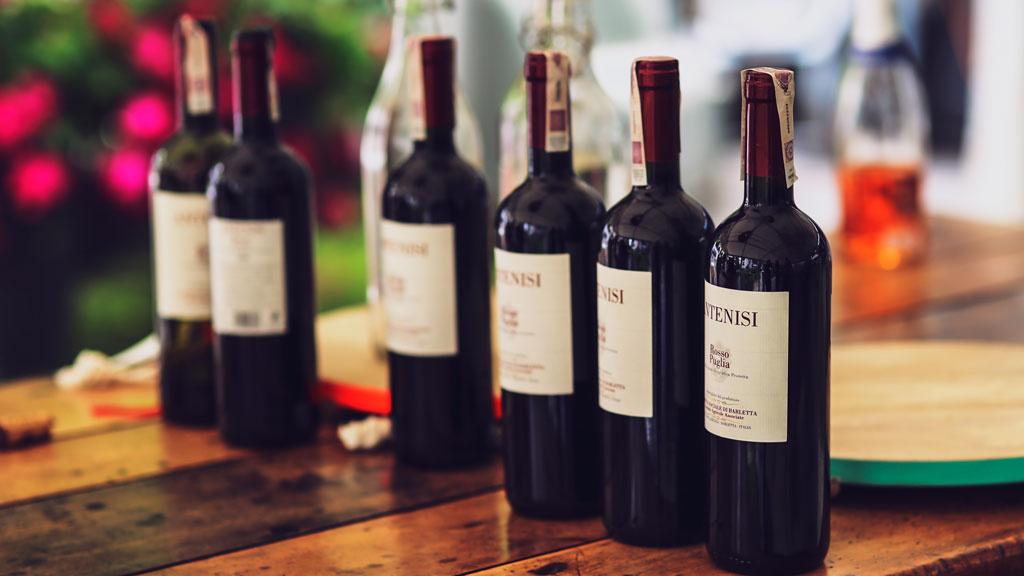
Non alcoholic wine alternatives have become increasingly popular among people who want to enjoy the taste and experience of wine without consuming alcohol. Whether for health reasons, religious beliefs, pregnancy, or simply a lifestyle choice.
Many individuals are looking for beverages that deliver the same sophistication and flavor as traditional wine but without the side effects of alcohol. Thanks to modern technology and creative beverage makers, the world of alcohol-free wine alternatives now offers a wide range of delicious and satisfying options.
What Are Non alcoholic wine Alternatives?
Zero-alcohol wine alternatives are beverages designed to mimic the taste, aroma, and experience of wine while containing little or no alcohol. Some are made from real wine that has had the alcohol removed.
While others are crafted from grapes, fruits, herbs, or botanicals to create wine-like flavors without fermentation. Modern dealcoholization methods allow producers to preserve much of the original taste, texture, and aroma, making these drinks more enjoyable than ever before.
Most alcohol-free wines contain less than 0.5% alcohol, which is considered non-alcoholic in many countries. These beverages come in many varieties, including red, white, rosé, and sparkling, just like traditional wines.
Why People Choose Alcohol-Free Wine
There are many reasons why people are switching to non alcoholic wine alternatives. One of the biggest reasons is health. Alcohol consumption is linked to several health risks, including liver problems, heart disease, and sleep issues. By choosing alcohol-free options, people can enjoy the social and culinary experience of wine without these risks.
Another reason is that non-alcoholic wine still contains beneficial compounds found in grapes, such as polyphenols and antioxidants. These compounds are associated with heart health and reduced inflammation, meaning you can still get some of the benefits of wine without the harmful effects of alcohol.
Many people also choose alcohol-free wine for religious or cultural reasons, while others simply want to stay sober while socializing. The growing “sober-curious” movement has also contributed to the popularity of these drinks.
Types of Non alcoholic wine Alternatives
There are several types of wine alternatives available today, each offering a different taste and experience.
1. Dealcoholized Wine
Dealcoholized wine is made like regular wine, but goes through an extra process to remove the alcohol. Techniques such as vacuum distillation or reverse osmosis help preserve the flavor while eliminating most of the alcohol.
· These wines are available in many styles:
· Red wine alternatives with berry and spice notes
· White wine alternatives with citrus and tropical flavors
· Rosé alternatives with light fruit and floral aromas
· Sparkling alternatives with festive bubbles
2. Grape-Based Wine Alternatives
Some beverages are made from grapes but are never fermented into alcohol. These drinks taste similar to wine but are naturally alcohol-free. They are often sweeter and lighter, making them a good choice for casual drinking.
3. Botanical and Herbal Alternatives
Another popular option is botanical drinks made with herbs, spices, tea, or fruit extracts. These beverages are designed to provide the complexity of wine without using alcohol at all. They are often used in mocktails or served with meals.
4. Sparkling Juice and Fermented Drinks
Sparkling juices, kombucha, and lightly fermented beverages can also serve as wine alternatives. They offer acidity, bubbles, and layered flavors that pair well with food.
Taste and Quality Have Improved
In the past, alcohol-free wine was often criticized for lacking flavor. However, technology has improved significantly, and many modern products taste surprisingly close to real wine. Winemakers now understand how to balance sweetness, acidity, and aroma to create a more authentic experience.
Premium alcohol-free wines are even being served in restaurants and at special events, showing how far the category has come. Some brands focus on creating complex, high-quality beverages that feel just as luxurious as traditional wine.
Health Benefits of Non alcoholic wine Alternatives
Choosing alcohol-free wine can offer several advantages:
Lower calories – Removing alcohol reduces calorie content.
No hangovers – You can enjoy the taste without feeling tired or dehydrated.
Heart-friendly compounds – Grapes contain antioxidants that support cardiovascular health.
Better sleep and focus – Avoiding alcohol helps maintain mental clarity.
Safer for more people – Suitable for pregnant women, drivers, and those avoiding alcohol.
However, experts also recommend checking labels, because some alcohol-free drinks may contain added sugar or artificial flavors.
Perfect Occasions for Alcohol-Free Wine
Winesformothers alternatives are suitable for many situations, including:
· Family gatherings
· Weddings and celebrations
· Business dinners
· Religious events
· Healthy lifestyle choices
· Social occasions where you want to stay sober
These drinks allow everyone to feel included without pressure to drink alcohol.
Tips for Choosing the Best Alternative
When selecting a zero-alcohol wine alternative, consider the following:
Check the alcohol content – Look for 0.0% or less than 0.5%.
Read the ingredients – Choose natural flavors when possible.
Match the style to your taste – Red for bold flavor, white for freshness, sparkling for celebrations.
Try different brands – Quality varies, so experimenting helps you find the best one.
Pair with food – Like regular wine, alcohol-free options taste better with the right meal.
The Future of Alcohol-Free Wine
The market for zero-alcohol beverages continues to grow as more people focus on wellness and mindful drinking. Sales of alcohol-free drinks have increased rapidly, and producers are investing in better ingredients and new technology.
This trend shows that enjoying sophisticated drinks no longer requires alcohol. People can now celebrate, relax, and socialize while staying healthy and clear-headed.
Conclusion
Non alcoholic wine alternatives offer the perfect balance between taste and wellness. With improved quality, wide variety, and growing popularity, these beverages are no longer just substitutes; they are a category of their own. Whether you want to avoid alcohol completely or simply drink less, there are plenty of delicious options to explore.

 Arabic
 French
 Spanish
 Portuguese
 Deutsch
 Turkish
 Dutch
Dutch
 Italiano
 Russian
 Romaian
 Portuguese (Brazil)
 Tiếng Việt