


Introduction
In recent years, businesses across many industries have adopted digital technologies to improve efficiency and customer experience. One of the most noticeable innovations is the self service kiosk. These interactive machines allow customers to perform tasks such as placing orders, checking in, making payments, and accessing information without needing direct assistance from staff. As customer expectations shift toward speed and convenience, kiosks are becoming a vital tool for modern businesses.
What is a Self-Service Kiosk?
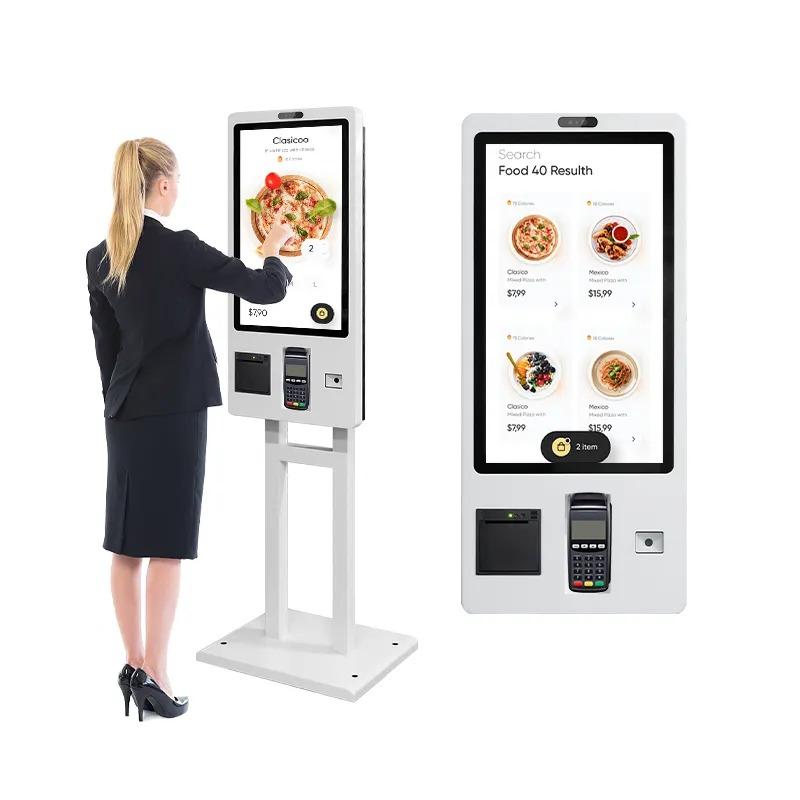
A self service kiosk is a touchscreen-based device that enables customers to complete transactions or obtain services independently. These kiosks are commonly found in restaurants, retail stores, airports, hospitals, banks, and entertainment venues. They are designed with user-friendly interfaces that guide customers through various processes such as ordering food, purchasing tickets, or checking account details.
Why Businesses Are Adopting Self-Service Kiosks
Businesses are increasingly integrating the self service kiosk into their operations for several reasons:
1. Faster Customer Service
Kiosks help reduce waiting times by allowing customers to place orders or access services quickly. Instead of standing in long lines, customers can complete tasks in a matter of minutes.
2. Improved Operational Efficiency
By automating routine processes, a self service kiosk allows employees to focus on more complex tasks and customer support. This improves overall productivity and reduces pressure on staff.
3. Cost Reduction
Many businesses use kiosks to lower operational costs. While there is an initial investment, a self service kiosk can reduce the need for additional staff and minimize human errors in transactions.
4. Enhanced Customer Experience
Modern consumers value convenience and control. A self service kiosk allows customers to browse options, customize orders, and complete transactions at their own pace, creating a more satisfying experience.
Industries Using Self-Service Kiosks
Restaurants and Fast Food
Restaurants use the self service kiosk for digital ordering and payment. Customers can customize meals, view menus clearly, and avoid long queues.
Retail Stores
In retail environments, a self service kiosk helps customers check prices, locate products, and complete purchases without waiting for assistance.
Airports and Transportation
Airports widely use the self service kiosk for check-in, boarding pass printing, and baggage tagging, making travel more efficient for passengers.
Healthcare Facilities
Hospitals and clinics utilize a self service kiosk for patient registration, appointment check-in, and information access, helping streamline administrative tasks.
Future of Self-Service Kiosks
The future of the self service kiosk looks promising as technology continues to evolve. Many kiosks are now integrating artificial intelligence, facial recognition, and contactless payment options. These advancements will make kiosks even more efficient and personalized. As businesses continue to prioritize automation and customer convenience, kiosks will likely become a standard feature in many industries.
Conclusion
The rise of the self service kiosk reflects a broader trend toward digital transformation in modern businesses. By improving efficiency, reducing costs, and enhancing the customer experience, kiosks have become an essential solution for companies looking to stay competitive. As technology advances, the role of kiosks will continue to grow, shaping the future of how businesses interact with their customers.

 English
 Arabic
 French
 Spanish
 Portuguese
 Deutsch
 Turkish
 Italiano
 Russian
 Romaian
 Portuguese (Brazil)
 Tiếng Việt