


Introduction
Sometimes you don’t want a long story campaign, a competitive ladder, or a huge open world to manage. You just want a game you can open for a few minutes, mess around with, and leave feeling lighter than when you started. That’s where casual “stress-relief” sandbox games come in. They’re usually simple to learn, quick to jump into, and focused on playful experimentation rather than winning.
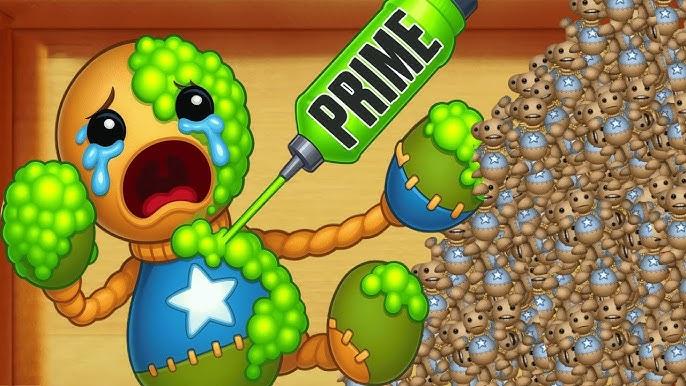
One popular example is kick the buddy, a game built around a straightforward idea: you interact with a ragdoll-like character (the “buddy”) using different tools, items, and effects, and you watch the physics and reactions play out. It’s not about perfect timing or complex mechanics—more about curiosity, harmless chaos, and discovering what happens when you try something new.
This article walks through how to approach games like this in a fun, relaxed way: what the moment-to-moment gameplay feels like, how to keep it enjoyable, and a few tips for getting the most out of short sessions.
Gameplay: What You Actually Do
At its core, Kick the Buddy is an interaction sandbox. You’re placed into a simple scene with your buddy character and a selection of ways to poke, toss, or trigger reactions. The specifics can vary depending on the version you’re playing, but the overall loop usually looks like this:
- Choose an item or tool
You’ll typically have access to a menu of objects, effects, or “weapons” (often exaggerated and cartoony). These can range from basic impacts (like punches or thrown objects) to more over-the-top gadgets. The point isn’t realism—it’s seeing the game’s physics and animations react. - Use it on the buddy
Tap/click, drag, or hold to apply the effect. The buddy responds with ragdoll movement, sound effects, and visual feedback. A big part of the entertainment is how unpredictable the movement can be when the physics engine gets involved. - Experiment and combine
After you’ve tried one tool, you naturally start asking:
- What happens if I do that again?
- What if I switch tools quickly?
- What if I aim differently or change the timing?
This “try and observe” pattern is what makes the game feel like a toy box rather than a traditional challenge.
Many casual sandbox games add light progression: earning in-game currency from interactions, unlocking new items, or upgrading effects. This gives you a reason to return without requiring long sessions.
Even though the theme can look chaotic, the experience is often closer to popping bubble wrap than playing something intense. You’re not really meant to “defeat” the buddy; you’re meant to explore the silly results.
Tips: How to Get the Most Fun Out of It
1. Treat it like a sandbox, not a mission
If you go in looking for a strict objective, you might get bored quickly. These games are better when you set small personal goals, like:
- “Let’s test five items I’ve never used.”
- “Let’s see what causes the funniest physics reaction.”
- “Let’s try to chain effects back-to-back and see what happens.”
A little self-directed curiosity goes a long way.
2. Play in short bursts
This style of game shines in 3–10 minute sessions. It’s easy to overdo it if you play too long at once, because the loop is intentionally simple. If you keep sessions short, it stays fresh and feels like a quick break rather than a grind.
3. Focus on variety over repetition
If you find yourself using the same favorite tool repeatedly, you may hit a “samey” feeling. To keep things interesting:
- Rotate through different item categories.
- Try tools you dismissed earlier.
- Experiment with different angles, spacing, or timing.
The fun often comes from discovering a surprising interaction you didn’t expect.
4. Use progression as a guide, not a chore
If your version includes unlocks or upgrades, it can be tempting to optimize everything. But you don’t need to min-max a sandbox game. Use progression as a gentle nudge toward variety—unlock new options, test them, then move on.
A simple mindset shift helps: unlocks aren’t “work,” they’re new toys.
5. Pay attention to the game’s “feedback”
These games are built on feedback loops—sounds, animations, and physics reactions. If you play with the volume low or muted, you might miss part of what makes each tool feel different. Even subtle audio cues can make the experience more satisfying and less repetitive.
6. Keep it light, and take breaks if it stops being fun
Even though it’s cartoonish, it’s still a game centered on slapstick harm. If that theme doesn’t match your mood, it’s okay to step away. The best way to experience games like Kick the Buddy is to treat them as a goofy, temporary distraction—not something you force yourself to enjoy.
7. If you’re sharing with friends, describe it as a “physics toy”
If you recommend it to someone, framing matters. Calling it a “physics sandbox” or “ragdoll toy” sets the right expectation: you’re there for experimentation and laughs, not competition or storytelling. That helps others approach it with the right mindset too.
Conclusion
Games don’t always have to be deep or demanding to be enjoyable. Sometimes the most satisfying experience is a simple loop: pick something, try it, watch what happens, and move on. Kick the Buddy is a good example of that kind of casual sandbox—easy to start, easy to experiment with, and best enjoyed in short, playful sessions.

 English
 Arabic
 French
 Spanish
 Portuguese
 Deutsch
 Turkish
 Dutch
Dutch
 Italiano
 Russian
 Romaian
 Portuguese (Brazil)