


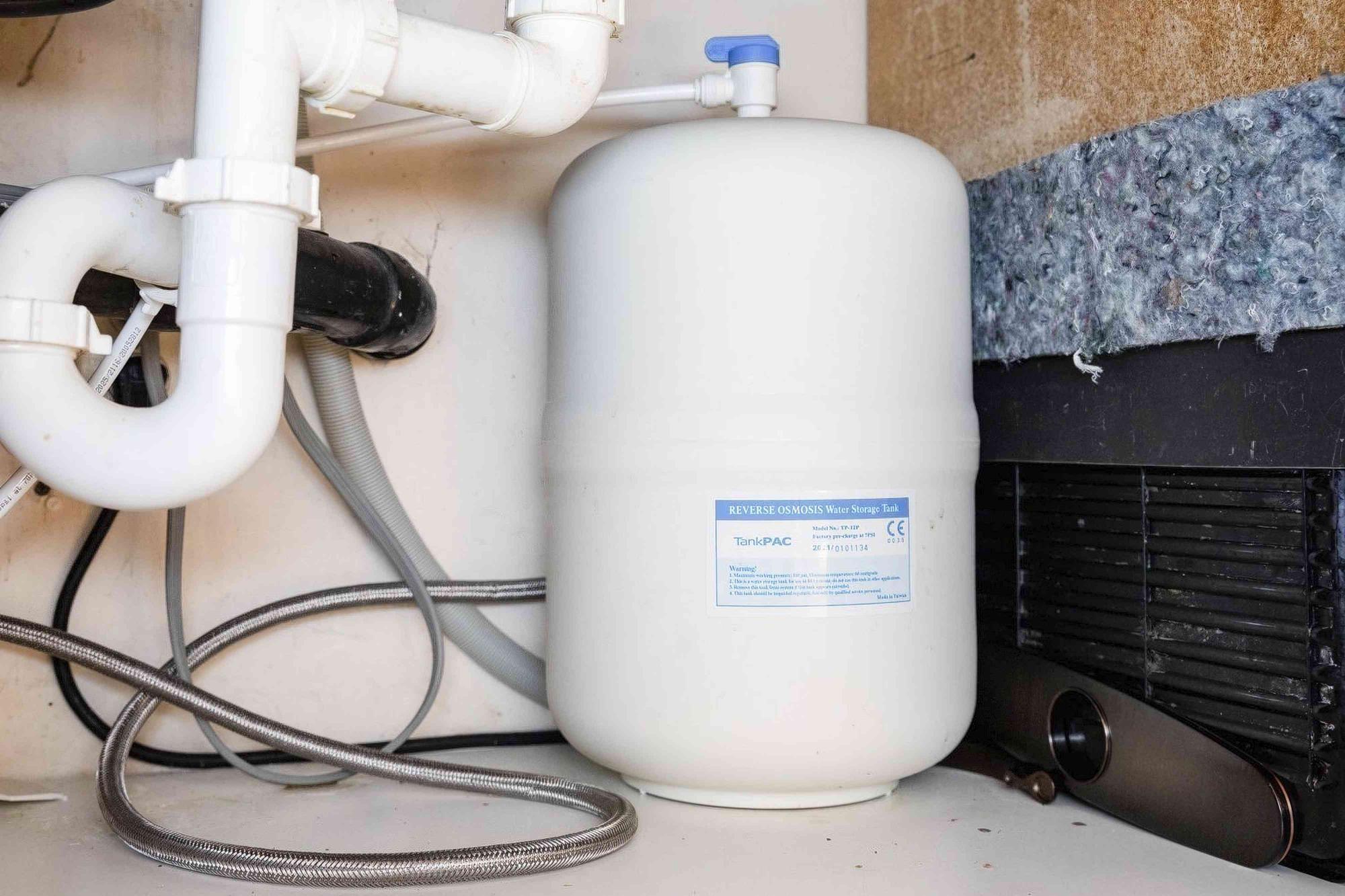
Well water is a common source of water for many households, but it can contain minerals such as calcium, magnesium, and sometimes iron or sulfur. These minerals can cause hard water, leading to scale buildup in pipes, reducing appliance efficiency, and leaving stains on sinks, tubs, and laundry. If you are wondering do you need a water softener for well water, this guide will explain the benefits, how water softeners work, and how to choose the right system for your home.
Understanding Hard Water
Hard water is characterized by high concentrations of minerals that can damage plumbing and water-using appliances over time. It also reduces the effectiveness of soaps and detergents, leaving residue on dishes, clothing, and skin. A water softener removes these minerals, providing cleaner, softer water for daily household use.
How Water Softeners Work
Water softeners commonly use an ion exchange process, where calcium and magnesium ions are replaced with sodium or potassium ions as water flows through a resin bed. This process produces soft water that prevents scale buildup, protects plumbing, and improves cleaning efficiency. Some systems for well water also include filters to remove iron, sulfur, and other impurities.
Signs Your Well Water Needs a Softener
You may need a water softener if you notice:
-
Scale buildup on faucets, showerheads, and appliances
-
Rust-colored stains in sinks, tubs, or laundry
-
Soap scum residue on dishes or bathroom surfaces
-
Reduced efficiency of water-using appliances
Installing a water softener addresses these issues and ensures consistent water quality.
DIY Installation vs Professional Installation
While some homeowners attempt DIY installation, professional installation is often recommended. Proper installation ensures correct system sizing, plumbing connections, and optimal operation. Professionals can also advise on the best salt, filter, and maintenance schedule for your specific water conditions.
Maintaining Your Water Softener
Routine maintenance keeps your system operating efficiently and prolongs its lifespan. Essential maintenance steps include:
-
Replenishing the brine tank with salt or potassium regularly
-
Inspecting and cleaning the resin bed
-
Checking plumbing connections for leaks or corrosion
-
Monitoring water quality to ensure consistent softening
Proper maintenance prevents problems and ensures your system continues to provide high-quality soft water.
Choosing the Right System
When selecting a water softener, consider household size, water hardness, and budget. For homeowners seeking a reliable unit at an affordable price, a wet spot water softener for sale can be a convenient option. Purchasing a ready-to-use system from a reputable supplier ensures durability, proper functionality, and the support you may need for installation or maintenance.
Factors to Consider
-
Water Hardness: Test your water to determine the required system capacity.
-
Household Size: Larger households need higher-capacity systems to meet daily water usage.
-
Water Impurities: Well water may require additional filtration for iron, sulfur, or sediment.
-
System Features: Consider automated regeneration, demand-based controls, and ease of maintenance.
Advantages of a Water Softener
Installing a water softener provides several benefits:
-
Protects plumbing and appliances from scale buildup
-
Reduces stains and soap scum in kitchens and bathrooms
-
Improves cleaning efficiency of soaps, detergents, and shampoos
-
Extends the lifespan of water-using appliances such as water heaters, dishwashers, and washing machines
Professional Guidance
Even if purchasing a standard system, consulting a water treatment professional ensures proper installation, sizing, and ongoing maintenance. Professionals can recommend the right system type, monitor water quality, and provide guidance on salt and filter selection.
Conclusion
Understanding do you need a water softener for well water helps homeowners decide when a system is necessary to protect plumbing, appliances, and water quality. For convenience and reliability, a wet spot water softener for sale offers a practical solution for well water households. Proper system selection, installation, and maintenance ensure long-lasting soft water and improved overall household water quality.

 English
 Arabic
 French
 Spanish
 Portuguese
 Deutsch
 Turkish
 Dutch
Dutch
 Italiano
 Russian
 Romaian
 Tiếng Việt