


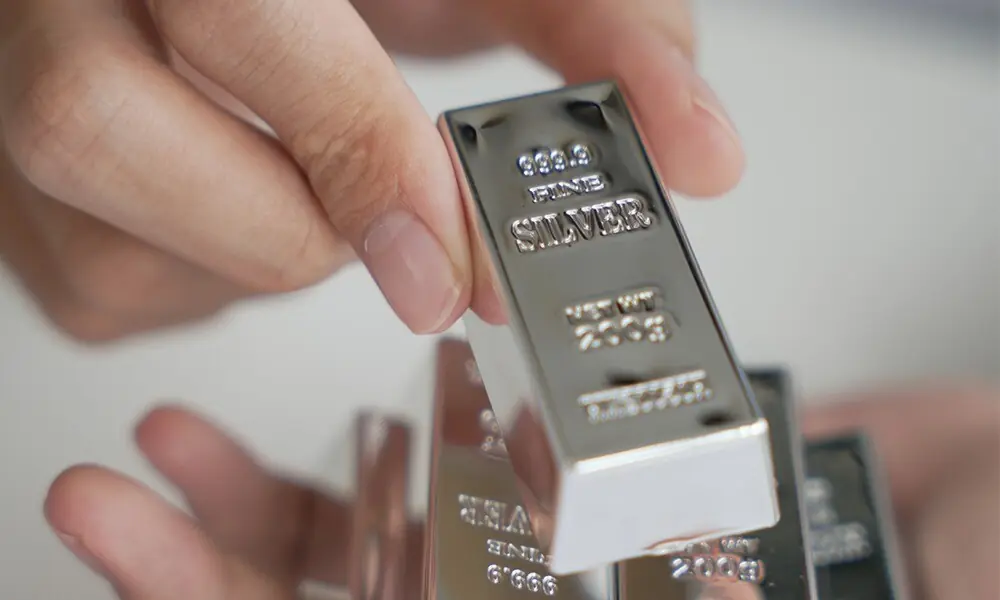
The price of silver has fascinated investors, traders, and economists for centuries. Known as both a precious metal and an industrial commodity, silver plays a unique role in global markets. Unlike gold, which is mainly valued as a store of wealth, silver has widespread industrial applications, making its price sensitive to both economic conditions and technological demand.
This article explains what determines the price of silver, how it behaves in different market conditions, and why it continues to attract attention from investors worldwide.
What Is the Price of Silver?
The price of silver refers to the market value of silver per unit, usually quoted per troy ounce. It is traded globally on commodity exchanges and fluctuates throughout the day based on supply, demand, and investor sentiment.
Silver prices are typically expressed in U.S. dollars, but they are influenced by global factors, meaning events in one part of the world can affect prices everywhere.
Why Silver Is Considered Valuable
Silver’s value comes from its dual role:
-
Precious Metal – Like gold, silver has been used as money, jewelry, and a store of value for thousands of years.
-
Industrial Metal – Silver is essential in electronics, solar panels, medical devices, batteries, and many other industries.
Because of this combination, the price of silver reacts to both financial markets and industrial demand.
Key Factors That Affect the Price of Silver
Several important factors influence silver prices, often working together rather than independently.
1. Supply and Demand
Supply comes mainly from mining and recycling, while demand comes from:
-
Jewelry and silverware
-
Industrial uses
-
Investment products like coins and bars
If demand increases faster than supply, the price of silver usually rises. When supply exceeds demand, prices tend to fall.
2. Industrial Demand
More than half of global silver demand comes from industrial applications. Growth in sectors such as renewable energy, especially solar power, has increased silver consumption. When industrial production slows, silver demand may weaken, putting pressure on prices.
3. Inflation and Currency Value
Silver is often seen as a hedge against inflation. When the purchasing power of fiat currencies declines, investors turn to precious metals, driving up the price of silver.
A weaker U.S. dollar generally makes silver cheaper for international buyers, increasing demand and pushing prices higher.
4. Interest Rates
Interest rates play a significant role in determining silver prices. When interest rates are low, holding non-yielding assets like silver becomes more attractive. Higher interest rates, on the other hand, can reduce demand for silver as investors shift toward interest-bearing assets.
5. Market Sentiment and Speculation
Like many commodities, silver prices are influenced by investor psychology. Fear, uncertainty, and geopolitical tensions often lead investors to buy silver as a safe-haven asset. Speculation by traders can also cause sharp price movements in a short period.
Historical Trends in the Price of Silver
Historically, the price of silver has been more volatile than gold. While gold is often stable, silver experiences sharper rises and falls due to its industrial exposure.
-
During economic expansions, industrial demand supports silver prices.
-
During financial crises, investment demand increases as people seek safe assets.
-
In recessions, reduced industrial activity can temporarily lower prices, even if investor demand rises.
This volatility makes silver attractive to traders but riskier than gold for conservative investors.
Silver vs Gold: Price Comparison
Silver is often compared to gold, but their prices behave differently.
-
Silver is much cheaper per ounce than gold, making it more accessible to small investors.
-
Silver prices tend to move faster and with greater percentage changes.
-
Gold is more stable and primarily driven by investment demand, while silver is influenced by both investment and industry.
Many investors track the gold-to-silver ratio to evaluate whether silver is overvalued or undervalued compared to gold.
How the Price of Silver Affects Investors
Long-Term Investors
For long-term investors, silver offers diversification. It can protect against inflation and currency risk, but its price fluctuations require patience and a long-term perspective.
Short-Term Traders
Traders are attracted to silver’s volatility. Rapid price movements create opportunities for profit, but also increase risk if the market moves unexpectedly.
Jewelry and Industrial Buyers
Changes in silver prices directly affect manufacturing costs for jewelry makers and industrial users. Rising prices can increase production costs, while falling prices can improve profit margins.
Ways to Invest Based on the Price of Silver
Investors can gain exposure to silver prices through several methods:
-
Physical Silver: Coins and bars stored personally or in vaults
-
Silver ETFs: Track silver prices without owning physical metal
-
Mining Stocks: Shares of companies that produce silver
-
Futures and Options: Advanced instruments for experienced traders
Each option responds differently to changes in the price of silver and carries its own risks.
Is the Price of Silver Likely to Rise in the Future?
The future price of silver depends on multiple factors:
-
Growth in renewable energy and technology
-
Inflation trends and monetary policies
-
Global economic stability
-
Mining production and environmental regulations
While no one can predict prices with certainty, silver’s role in both industry and investment suggests it will remain an important asset in global markets.
Risks Associated With Silver Price Movements
Despite its benefits, silver investment carries risks:
-
High volatility can lead to sudden losses
-
Industrial demand may fall during economic slowdowns
-
Prices can be influenced by speculation rather than fundamentals
Understanding these risks is essential before making any investment decisions.
Final Thoughts
The price of silver is shaped by a complex mix of economic, industrial, and financial factors. Its dual nature as a precious and industrial metal makes it unique, offering opportunities for diversification but also exposing investors to volatility.

 English
 Arabic
 French
 Portuguese
 Deutsch
 Turkish
 Dutch
Dutch
 Italiano
 Russian
 Romaian
 Portuguese (Brazil)
 Tiếng Việt