


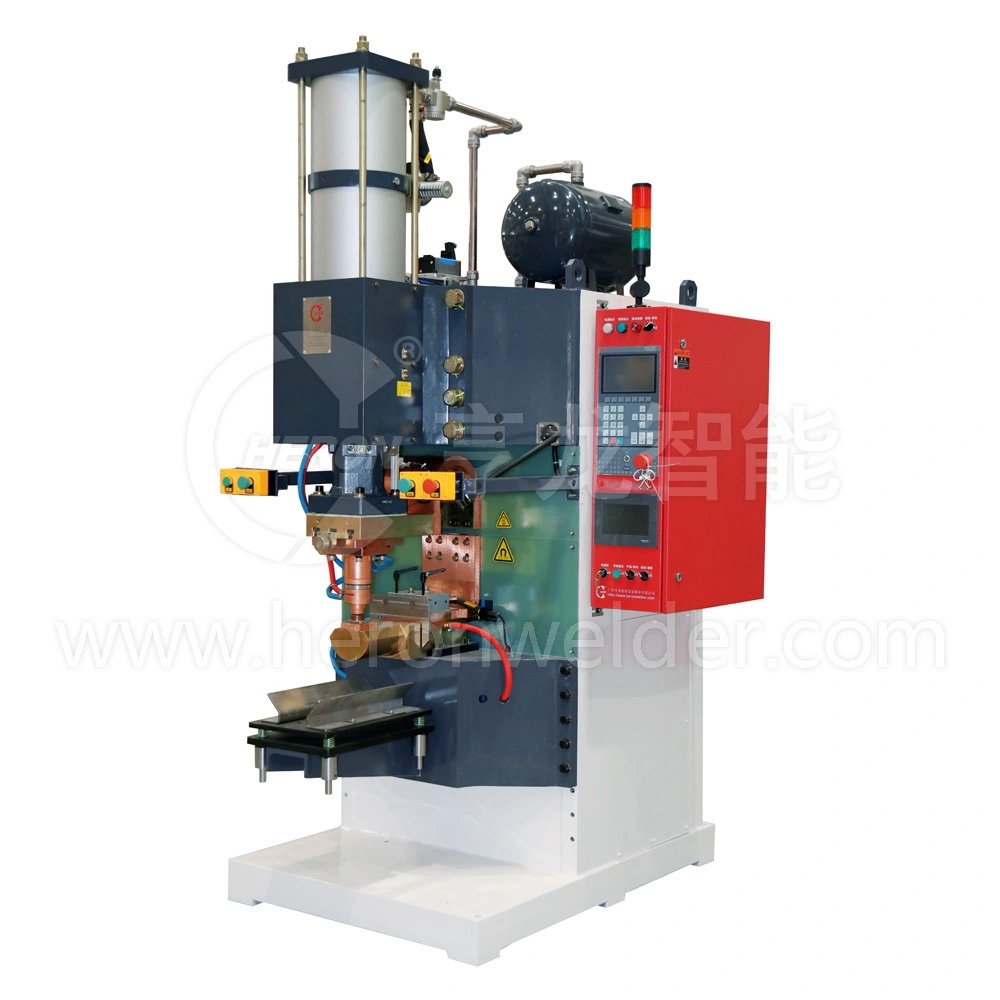
Aluminum has become a critical material in modern manufacturing, from automotive and aerospace to electronics and consumer goods. Its lightweight properties, corrosion resistance, and thermal conductivity make it ideal for high-performance applications. However, welding aluminum presents unique challenges due to its high thermal conductivity, oxide layer, and lower melting point compared to steel. This is where a spot welder for aluminum becomes an essential tool for manufacturers seeking precision, efficiency, and repeatable results.
Heron Welder, a global leader in industrial welding solutions, offers a comprehensive range of spot welding machines, controllers, and automated production systems specifically designed to handle aluminum and other challenging materials.
Understanding Aluminum Spot Welding
Spot welding is a form of resistance welding where two or more metal sheets are joined by applying pressure and passing a high electric current through the contact area. For aluminum, this process requires careful consideration of:
-
Electrical conductivity: Aluminum conducts electricity more efficiently than steel, which can reduce heat generation and affect weld quality.
-
Thermal conductivity: Heat dissipates rapidly in aluminum, requiring higher currents or longer welding times.
-
Oxide layer: Aluminum naturally forms an oxide layer that melts at a higher temperature than the underlying metal, potentially impacting weld penetration and strength.
Using a spot welder engineered for aluminum ensures optimal electrode design, current control, and timing, delivering strong and consistent welds without damaging the material.
Key Applications of Aluminum Spot Welding
Manufacturers across industries rely on aluminum spot welding for applications that demand speed, reliability, and precision:
Automotive Industry
Aluminum is widely used in lightweight vehicle frames, body panels, and battery enclosures. Spot welding aluminum sheets allows OEMs to reduce vehicle weight while maintaining structural integrity, enhancing fuel efficiency, and supporting electric vehicle production.
Aerospace and Aviation
Aircraft components require high-strength, lightweight metal joints. Spot welding aluminum ensures consistent weld quality for fuselage panels, brackets, and interior assemblies without compromising safety standards.
Electronics and Appliances
Aluminum’s thermal conductivity makes it ideal for electronic housings and heat sinks. Spot welding allows manufacturers to assemble components quickly while preserving material integrity.
Industrial Fabrication
From HVAC systems to aluminum furniture and machinery, spot welding provides efficient joining solutions for high-volume production lines.
Advantages of Heron Spot Welders for Aluminum
Choosing the right welding machine is crucial for achieving high-quality aluminum welds. Heron Welder offers a range of spot welding solutions with features designed specifically for aluminum applications:
-
MFDC and Capacitor Discharge Technology: Advanced machines deliver precise current pulses to prevent overheating and ensure strong welds.
-
Customizable Welding Parameters: Adjustable current, pressure, and welding time accommodate different aluminum thicknesses and alloys.
-
Robust Electrode Materials: Specialized copper alloy electrodes resist wear and oxidation, ensuring long-term performance.
-
Automation-Ready Solutions: Integration with robotic arms and automated production lines increases throughput and repeatability for high-volume manufacturing.
-
Smart Controllers and Monitoring: Real-time monitoring and data logging enhance quality control and reduce scrap rates.
Heron’s expertise in resistance welding, clinching, and self-pierce riveting ensures that manufacturers can find tailored solutions for aluminum joining challenges.
Comparing Aluminum Spot Welding to Steel Spot Welding
While spot welding is common for both aluminum and steel, the materials’ distinct properties require different approaches:
| Feature | Steel Spot Welding | Aluminum Spot Welding |
|---|---|---|
| Electrical Conductivity | Moderate | High |
| Thermal Conductivity | Moderate | Very High |
| Current Requirement | Standard | Higher |
| Weld Time | Short | Slightly Longer |
| Electrode Wear | Low | Higher, needs special alloys |
Understanding these differences allows engineers to select the right machine, electrode design, and parameters to achieve consistent weld quality while minimizing rework.
Best Practices for Spot Welding Aluminum
To optimize aluminum spot welding, manufacturers should follow key guidelines:
-
Surface Preparation: Clean and remove oxide layers for better electrical contact.
-
Electrode Maintenance: Regularly inspect and dress electrodes to maintain consistent welding pressure and current flow.
-
Parameter Optimization: Adjust current, pressure, and weld time based on material thickness and alloy.
-
Cooling Management: Proper cooling prevents overheating and distortion.
-
Quality Monitoring: Implement real-time monitoring systems to detect weld defects early and maintain production efficiency.
Heron’s advanced welding machines come equipped with intuitive controllers and automation options to simplify parameter setup and maintain consistent results across production batches.
FAQs About Spot Welding Aluminum
Q1: Can any spot welder be used for aluminum?
A1: Not all spot welders are suitable for aluminum. Machines must provide higher currents, adjustable timing, and electrodes designed for aluminum to achieve strong, defect-free welds.
Q2: What thickness of aluminum can be spot welded?
A2: Depending on the machine and parameters, Heron spot welders can handle aluminum sheets from 0.5 mm to several millimeters in thickness.
Q3: Is automation possible for aluminum spot welding?
A3: Yes, Heron spot welders are automation-ready and can be integrated with robotic arms or production lines for high-volume, repeatable welds.
Q4: How does electrode wear affect aluminum welding?
A4: Aluminum is abrasive and conductive, which can increase electrode wear. Using specialized copper alloy electrodes extends lifespan and maintains weld quality.
Q5: Are Heron spot welders compatible with multiple aluminum alloys?
A5: Absolutely. Heron machines are adaptable and can weld a variety of aluminum grades used in automotive, aerospace, and industrial applications.
Partner with Heron for Aluminum Welding Excellence
Achieving high-quality aluminum welds requires more than just equipment—it requires expertise, reliable machines, and tailored solutions. Heron Welder’s spot welders, controllers, and automated production systems provide manufacturers with the tools to meet the most demanding requirements for aluminum joining.
Whether you’re an OEM, manufacturing engineer, or automation integrator, Heron can design a customized welding solution that increases productivity, improves weld quality, and ensures repeatable results across your production line.
Contact Heron today to request a quote or consult with our experts for your aluminum spot welding and automation needs.

 English
 Arabic
 French
 Spanish
 Portuguese
 Deutsch
 Dutch
Dutch
 Italiano
 Russian
 Romaian
 Portuguese (Brazil)
 Tiếng Việt