


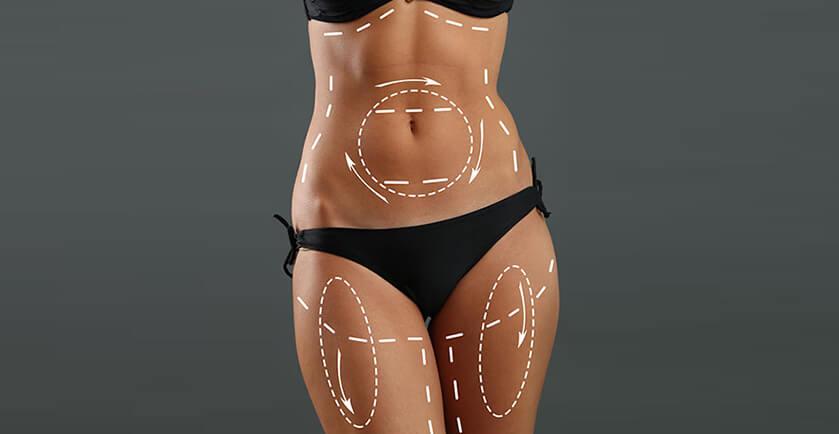
Liposuction Surgery is an effective procedure for removing stubborn fat and sculpting the body, but long-term success heavily depends on lifestyle choices. While liposuction removes fat cells permanently from targeted areas, maintaining results requires attention to diet, exercise, and overall wellness. Understanding the interplay between surgical fat removal and lifestyle habits can help patients maximize their results and enjoy a healthier, more sustainable body contour.
How Liposuction Works:
Liposuction targets localized fat deposits that are resistant to diet and exercise; key points include:
-
Fat cells are suctioned out through a small cannula, permanently reducing their number in treated areas
-
The procedure can contour areas such as the abdomen, thighs, arms, and chin
-
Liposuction is not a substitute for weight loss but a body-shaping tool
-
Remaining fat cells can still expand if lifestyle habits are not managed
Understanding these fundamentals clarifies why diet and exercise remain essential post-surgery.
The Role of Diet After Surgery:
Proper nutrition is critical for recovery and long-term maintenance of liposuction results; dietary considerations include:
-
Consuming a balanced diet rich in lean protein, vegetables, fruits, and whole grains to support healing
-
Avoiding excessive sugar, processed foods, and unhealthy fats that can lead to new fat accumulation
-
Staying hydrated to promote skin elasticity and reduce swelling
-
Eating smaller, frequent meals to stabilize blood sugar and support metabolism
A consistent, healthy diet helps preserve the contours achieved through surgery.
How Exercise Impacts Results:
Physical activity complements liposuction by preventing new fat accumulation and maintaining muscle tone; benefits include:
-
Boosting metabolism to help maintain a stable weight
-
Enhancing circulation, which supports healing and reduces fluid retention
-
Strengthening muscles under the skin, improving overall body contours
-
Helping reduce stress, which can otherwise lead to unhealthy eating habits
-
Providing long-term cardiovascular and metabolic health benefits
Exercise routines should be gradually reintroduced post-surgery, starting with light activity and increasing intensity under medical guidance.
Timing of Exercise After Surgery:
Knowing when to resume physical activity is key for safe recovery and optimal results; general guidelines include:
-
Walking immediately after surgery to promote circulation and prevent blood clots
-
Avoiding strenuous exercise for the first 2–4 weeks, depending on the surgeon’s instructions
-
Gradually increasing intensity with strength training and aerobic exercise after clearance
-
Listening to the body and stopping activity if discomfort or swelling increases
Following proper timing ensures safe recovery and preserves surgical outcomes.
Managing Weight Fluctuations:
Even after liposuction, weight management plays a crucial role in sustaining results; key points include:
-
Gaining significant weight can enlarge remaining fat cells and alter body contours
-
Maintaining a stable weight supports smooth, long-lasting results
-
Regular monitoring of body weight and measurements helps identify changes early
-
Adopting sustainable lifestyle habits rather than short-term diets enhances overall outcomes
Consistent weight management is essential for preserving the benefits of liposuction surgery.
The Impact of Skin Elasticity:
Lifestyle choices influence skin elasticity, which affects how well the skin conforms after fat removal; important factors include:
-
Hydration, which keeps skin supple and aids in recovery
-
Nutrient-rich foods, including vitamins C and E, which support collagen production
-
Avoiding smoking and excessive sun exposure, which degrade skin elasticity
-
Gradual weight changes to prevent stretching or sagging
Healthy skin elasticity helps ensure smooth, natural-looking contours after liposuction.
Psychological Benefits of a Healthy Lifestyle:
Maintaining diet and exercise habits after surgery also supports mental well-being; benefits include:
-
Increased confidence and satisfaction with body image
-
Reduced risk of post-surgery stress or emotional eating
-
Improved energy levels and motivation for self-care
-
Better adherence to long-term wellness routines
Combining physical and psychological health ensures a holistic approach to sustaining results.
Common Pitfalls to Avoid:
Patients should be aware of behaviors that may compromise liposuction results; examples include:
-
Relying solely on surgery for body shaping without lifestyle changes
-
Overeating or consuming high-calorie, low-nutrient foods
-
Prolonged inactivity that reduces muscle tone and metabolism
-
Ignoring post-operative instructions regarding diet, activity, and compression garments
Avoiding these pitfalls maximizes the longevity and quality of results.
Integrating Lifestyle into Long-Term Success:
Creating a sustainable post-liposuction lifestyle plan helps maintain body contours and overall health; strategies include:
-
Developing a balanced nutrition plan tailored to individual needs
-
Establishing a consistent exercise routine combining strength, flexibility, and cardio
-
Monitoring weight and body composition periodically
-
Continuing follow-up appointments with the surgeon for guidance
-
Staying mindful of long-term habits rather than short-term fixes
A proactive, holistic approach ensures that the benefits of liposuction are maintained for years to come.
Complementary Approaches for Enhanced Results:
In addition to diet and exercise, other practices can support liposuction outcomes; these include:
-
Wearing compression garments as advised to aid skin retraction
-
Engaging in non-invasive skin-tightening treatments if needed
-
Staying hydrated and using moisturizers to maintain skin elasticity
-
Incorporating stress management techniques such as yoga or meditation
Combining these strategies with proper lifestyle habits enhances overall results and patient satisfaction.
Final Thoughts.
While Liposuction Surgery effectively removes fat and improves body contours, lasting results depend on lifestyle choices. Diet, exercise, and healthy habits are critical for preserving the contours achieved and preventing new fat accumulation. Patients who integrate proper nutrition, regular physical activity, weight management, and skin care into their routine enjoy smoother, long-lasting outcomes and improved overall wellness. Understanding the connection between surgical intervention and lifestyle ensures patients can maximize their results and maintain a confident, healthy body.

 English
 Arabic
 French
 Spanish
 Portuguese
 Deutsch
 Turkish
 Dutch
Dutch
 Italiano
 Russian
 Romaian
 Portuguese (Brazil)