


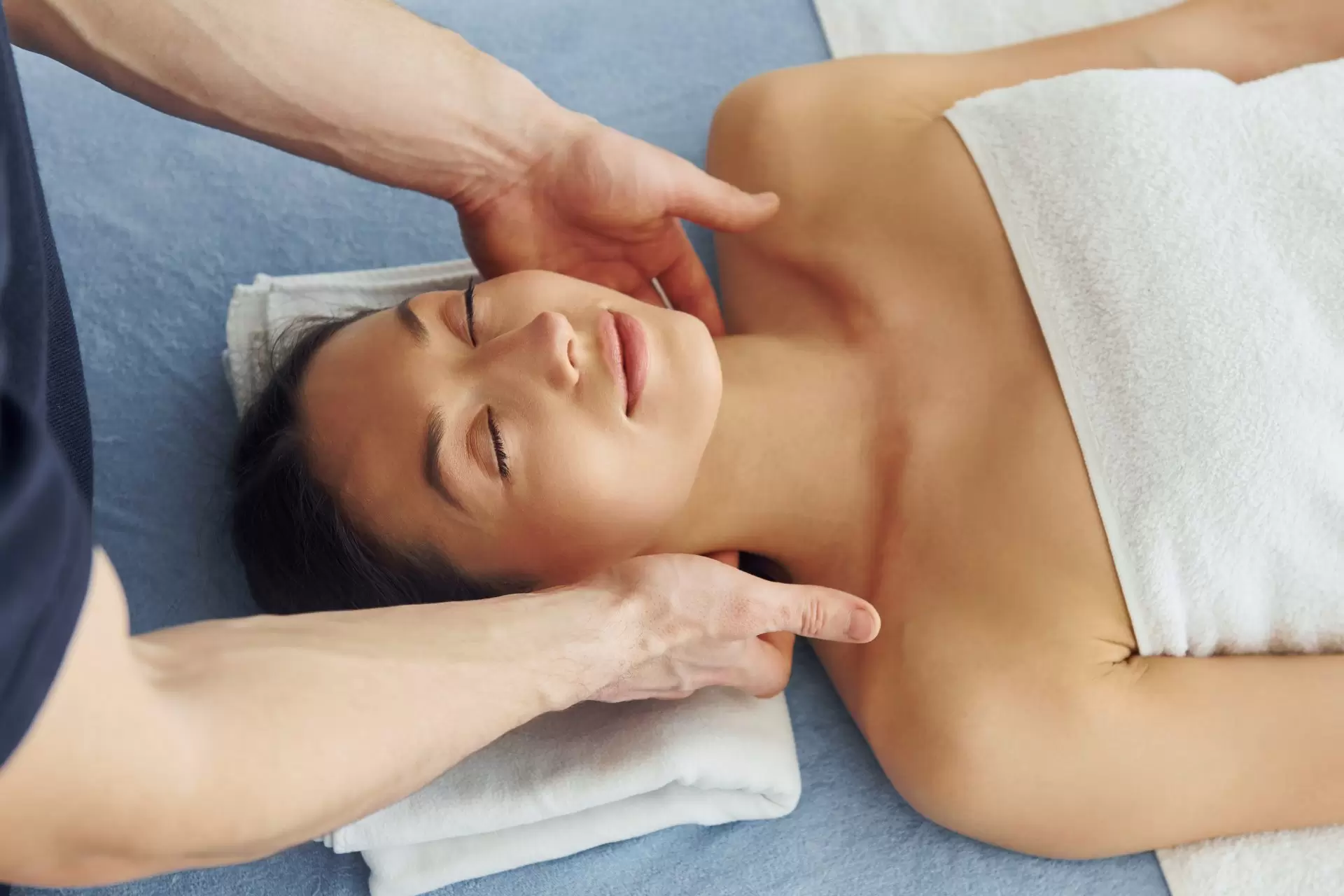
Lymphatic drainage massage is a specialized therapy designed to support the body’s lymphatic system, aiding in detoxification, reducing swelling, and promoting overall wellness. Unlike traditional deep-tissue massage, lymphatic drainage massage relies on a very gentle touch rather than firm pressure. Understanding why light, precise movements are critical ensures the therapy is effective, safe, and supportive of the lymphatic system’s delicate network. Proper pressure helps move lymph fluid without damaging vessels or tissues, making it essential for both therapeutic and wellness benefits.
The Sensitivity of the Lymphatic System:
The lymphatic system consists of fragile vessels and nodes that transport lymph fluid throughout the body. Excessive force can collapse these vessels, impede fluid flow, and cause discomfort. Gentle pressure is crucial because:
-
It encourages smooth lymph movement without overloading tissues
-
Stimulates lymph nodes to filter fluid efficiently
-
Prevents tissue trauma that could disrupt circulation
A subtle touch ensures that the lymphatic system functions optimally while providing relaxation and therapeutic benefits.
How Pressure Influences Lymph Flow:
Unlike blood circulation, lymph relies on external factors such as muscle movement, breathing, and gentle massage to move fluid. Applying the correct pressure ensures effective drainage by:
-
Guiding lymph toward the nearest lymph nodes
-
Reducing stagnation in areas prone to fluid buildup
-
Supporting natural detoxification processes
Overly firm pressure can restrict lymph flow, making gentle, rhythmic movements essential for effectiveness.
Risks of Incorrect Massage Pressure:
Using too much force during lymphatic massage can cause more harm than benefit. Potential risks include:
-
Bruising or tissue damage
-
Collapsed lymphatic vessels, which impede fluid movement
-
Increased discomfort or swelling instead of relief
-
Interference with detoxification pathways
Understanding proper pressure protects the delicate structures of the lymphatic system while ensuring a safe and effective experience.
Techniques That Require Gentle Touch:
Lymphatic drainage massage employs several techniques that depend on precise, light pressure:
-
Effleurage: Long, sweeping strokes to move fluid toward lymph nodes
-
Circular motions: Small, gentle circles over nodes to activate filtration
-
Pumping: Subtle compression and release to mimic natural lymph movement
-
Facial strokes: Very light upward and outward movements to reduce puffiness
These techniques demonstrate that the effectiveness of lymphatic massage comes from touch, not force.
Benefits of Maintaining Light Pressure:
Gentle pressure enhances the therapeutic impact of lymphatic massage. Key benefits include:
-
Reduced swelling and fluid retention
-
Improved circulation and toxin removal
-
Relaxation of both muscles and the nervous system
-
Support for immune and endocrine function
By respecting the body’s natural sensitivity, the massage can provide lasting wellness benefits without discomfort.
Recognizing Appropriate Pressure in Practice:
Whether performed professionally or at home, it’s important to recognize what constitutes appropriate pressure:
-
The touch should feel light and rhythmic, not forceful
-
Movements should follow the flow of lymph toward nodes
-
There should be no bruising, pain, or discomfort during or after the session
-
Breathing and relaxation should feel enhanced, not strained
Proper awareness ensures the therapy is both effective and safe for all body areas.
Self-Massage and Pressure Awareness:
For those practicing lymphatic massage at home, understanding pressure is essential:
-
Use the pads of fingers rather than knuckles
-
Maintain slow, consistent movements along lymph pathways
-
Avoid pressing hard on sensitive areas such as the neck or abdomen
-
Focus on flow rather than strength to encourage natural drainage
Adhering to gentle techniques at home maximizes benefits while minimizing risk.
Integrating Gentle Touch Into a Wellness Routine:
Gentle lymphatic massage complements a holistic wellness routine by supporting circulation, detoxification, and relaxation. Suggestions include:
-
Schedule regular sessions weekly or biweekly for optimal lymphatic health
-
Pair massage with hydration to facilitate lymph movement
-
Incorporate light exercise to assist natural fluid circulation
-
Practice mindfulness and breathing techniques to enhance relaxation
Consistent, gentle care reinforces lymphatic function and contributes to overall well-being.
Final Thoughts.
The success of lymphatic drainage massage relies on the subtlety and precision of touch. Gentle pressure ensures that lymph fluid moves efficiently, reducing swelling, enhancing detoxification, and supporting the immune system. By prioritizing light, rhythmic movements over force, both professional and self-administered lymphatic massage can deliver profound wellness benefits. Understanding and respecting the sensitivity of the lymphatic system allows this therapy to provide effective, safe, and lasting results for improved health, relaxation, and vitality.

 English
 Arabic
 French
 Spanish
 Portuguese
 Deutsch
 Turkish
 Italiano
 Russian
 Romaian
 Portuguese (Brazil)
 Tiếng Việt