


Damascus Utility Blades
When it comes to precision cutting tools, Damascus utility blades have gained a stellar reputation for their strength, sharpness, and distinctive patterns. However, the market today is flooded with many imitations and counterfeit products that mimic the iconic look of Damascus steel but lack the quality and durability. Knowing how to identify authentic Damascus utility blades is crucial for anyone seeking reliability and longevity in their cutting tools - whether you're a professional craftsman or a cooking enthusiast looking for a Damascus bread knife.
We’ll walk you through essential tips to distinguish genuine Damascus utility blades, why authenticity matters, and how choosing the right blade benefits you in the long run.
What Makes Damascus Utility Blades Unique?
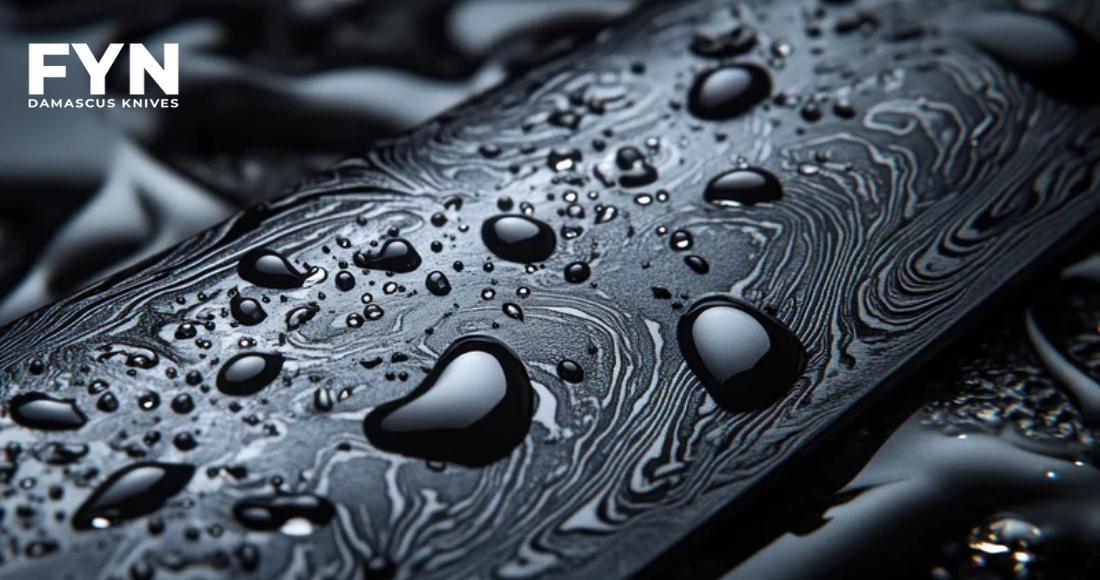
Authentic Damascus blades are crafted through a meticulous forging process that involves layering different types of steel and iron, then repeatedly folding and hammering them together. This creates the blade’s signature wavy or watery pattern - a hallmark of true Damascus steel.
Unlike mass-produced blades, authentic Damascus utility blades combine toughness, sharpness, and flexibility, making them excellent for both heavy-duty and precision cutting tasks. Their unique structure also allows for excellent edge retention, reducing the need for frequent sharpening.
1. Examine the Pattern Closely
One of the easiest ways to spot an authentic Damascus utility blade is by inspecting its surface pattern.
-
Natural Flow: Genuine Damascus steel features a flowing, organic pattern that looks almost like ripples or waves. The patterns will vary slightly from blade to blade because of the manual forging process.
-
No Repetition: Fake blades often use acid etching to mimic this pattern, which results in repetitive or uniform designs. If you notice a perfectly repetitive pattern, it’s likely not genuine.
-
Depth and Texture: Authentic Damascus blades often have a subtle texture you can feel with your fingers, while fake blades might feel smooth or painted.
2. Assess the Blade’s Performance and Quality
Authenticity isn’t just about looks - performance is a key indicator.
-
Sharpness and Edge Retention: True Damascus utility blades maintain a razor-sharp edge much longer than typical steel blades. Test how the blade cuts or how it holds its sharpness after repeated use.
-
Flexibility: Authentic Damascus blades are known for their flexibility. They bend slightly under pressure but don’t snap easily.
-
Weight and Balance: Genuine Damascus blades often have a balanced feel due to their layered construction. Fake blades might feel unusually heavy or lightweight.
3. Check for Brand Reputation and Certification
Buying from reputable brands is a reliable way to ensure authenticity. Brands like FYN Damascus Knives are renowned for their quality craftsmanship and authentic materials.
-
Brand Markings: Look for clear branding on the blade or handle, including logos or signatures.
-
Certificates of Authenticity: Some manufacturers provide certification to guarantee the blade’s Damascus steel origin.
-
Seller Reputation: Purchase from trusted dealers or official stores rather than unknown vendors or online marketplaces where counterfeits are common.
4. Understand the Price Point
While price alone isn’t a definitive factor, it can be a helpful clue.
-
Too Good to Be True: Authentic Damascus utility blades are handcrafted and use high-quality materials, so they are rarely cheap.
-
Value for Investment: Extremely low prices often indicate a fake or lower-quality blade that may not last or perform well.
Investing in a genuine blade ensures durability and better cutting performance, ultimately saving money in the long run.
5. Look at the Handle and Overall Craftsmanship
Authentic Damascus utility blades don’t just focus on the blade - they come with handles crafted for comfort and durability.
-
Material Quality: High-quality wood, resin, or composite materials are often used.
-
Joinery and Finish: Check how the blade is attached to the handle. The fit should be tight, and the finish should be smooth without gaps or rough edges.
-
Ergonomics: Authentic blades offer comfortable grips designed for prolonged use without causing hand fatigue.
Conclusion: Why Choosing Authentic Damascus Utility Blades Matters
Choosing an authentic Damascus utility blade means investing in a tool that offers unmatched sharpness, durability, and craftsmanship. Whether you need a reliable Damascus bread knife for your kitchen or a versatile utility blade for professional tasks, authenticity ensures you get the performance and longevity you deserve.
At FYN Damascus Knives, we pride ourselves on delivering genuine Damascus steel blades crafted with precision and care. Always prioritize authenticity over appearance alone to make the best investment in your cutting tools.
Frequently Asked Questions (FAQs)
1. How can I tell if a Damascus blade is real?
Look for natural, non-repetitive patterns, feel the texture, and assess the blade’s sharpness, flexibility, and balance. Buying from reputable brands also reduces the risk of fakes.
2. Is a Damascus bread knife different from other Damascus utility blades?
Yes, Damascus bread knives usually have a serrated edge designed specifically for slicing bread without crushing it, whereas utility blades are more versatile for general cutting tasks.
3. Can I sharpen a Damascus utility blade at home?
Yes, but it’s best to use proper sharpening stones or take it to a professional to maintain the blade’s unique edge and pattern.
4. Why do some Damascus blades rust easily?
Authentic Damascus steel can rust if not cared for properly. Always clean and dry the blade after use and apply light oil for protection.
5. Are all patterned blades Damascus steel?
No, some blades have patterns etched onto the surface without the layered forging process. These are not true Damascus steel and usually lack the performance benefits.

 English
 Arabic
 French
 Spanish
 Portuguese
 Deutsch
 Turkish
 Dutch
Dutch
 Italiano
 Russian
 Romaian
 Portuguese (Brazil)