


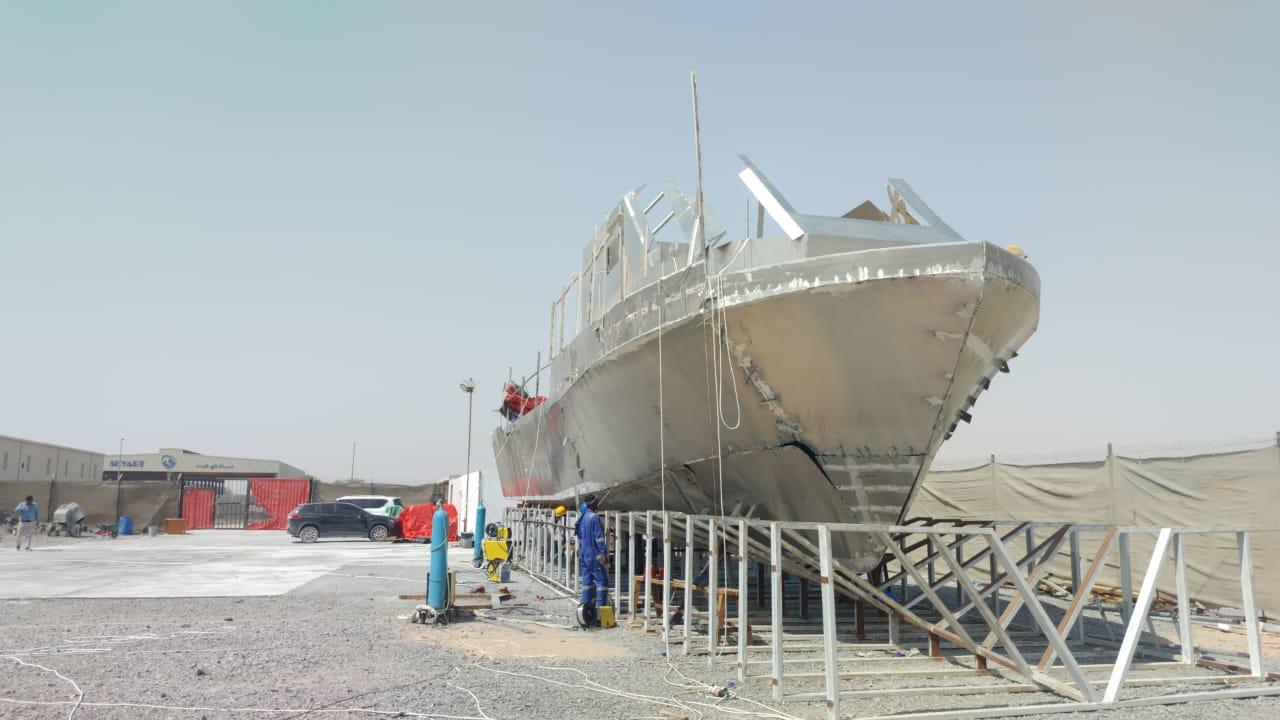
Marine transport is a major backbone of coastal trade, fishing operations, tourism, and logistics. In recent times, the popularity of aluminium boat building has grown rapidly as marine operators look for vessels that are lighter, faster, and more economical to run. Traditional wooden and steel vessels often require more maintenance and fuel, while aluminium supports modern engineering that boosts productivity on water. With global trends shifting toward efficiency and sustainability, companies like VU Marine are taking a lead by designing vessels that match current transport needs without compromising safety or performance.
Lightweight Structure Improves Fuel Efficiency
One of the main reasons aluminium boats are preferred is their lightweight structure. Aluminium is significantly lighter than steel, resulting in vessels that glide through the water with less resistance. Because of this reduced drag, engines do not need to work as hard, which saves both time and fuel. On average, aluminium boats are 35–45% lighter than steel alternatives, which can reduce fuel consumption by 20–30% depending on route length and engine configuration. This advantage directly benefits commercial transport, tourism fleets, and operators who run daily schedules. Less fuel consumption also means reduced emissions, making aluminium vessels a practical solution for environmental compliance.
Durability Reduces Long-Term Maintenance
Operations at sea expose vessels to corrosion, salt deposits, and continuous impact from waves. These factors rapidly weaken wooden and steel boats, increasing repair frequency. Aluminium, however, has natural anti-corrosion properties and maintains its structure for years with minimal maintenance. On average, the life span of an aluminium vessel can reach 30–40 years with standard maintenance routines. Repair costs and downtime also drop by around 15–25%, ensuring that business operations continue without interruption. The resistance to rust means operators avoid frequent repainting and heavy protective coatings, making aluminium a long-term investment for reliable service.
Speed Advantage for Fast Marine Operations
Speed is crucial for marine industries that depend on time-sensitive movement. Aluminium’s lightweight nature allows engines to propel vessels faster with lower power requirements. Research suggests aluminium vessels can deliver 10–15% higher speed compared to steel vessels with similar engine capacity. This makes them ideal for emergency response boats, passenger ferries, cargo services, and coastal logistics operations. Faster acceleration and maneuverability are also valuable when traveling through congested coastal trade routes. The result is not only improved performance but also better route planning and more daily trips, increasing business efficiency.
Higher Carrying Capacity and Stability
Even though aluminium weighs less, it offers exceptional strength and stability. Its strength-to-weight ratio is significantly higher than steel, enabling vessels to carry heavy loads without compromising balance or safety. Fishing vessels carrying daily catch, passenger boats operating tourism circuits, and cargo transporters moving goods across coastal ports can all benefit from this stability. The advanced buoyancy of aluminium supports smooth navigation even in challenging weather conditions. This efficiency is particularly beneficial for businesses that need steady performance despite varying marine environments.
Environmental Benefits for Future Marine Standards
Environmental responsibility is becoming a major priority in marine policies. Aluminium boats help operators meet sustainability goals through reduced emissions and recyclable structure. Nearly 90% of the aluminium used in vessels can be recycled, meaning less waste and better material recovery at the end of the vessel’s lifecycle. Lower fuel consumption also reduces the greenhouse gas emissions produced per trip. As global regulations tighten to enforce cleaner operations, aluminium vessels provide a forward-looking solution that aligns with future marine transport standards. This element makes aluminium boats attractive to governments, tourism companies, and logistic operators trying to maintain eco-friendly certifications.
Flexible Design for Custom Marine Needs
Aluminium offers excellent design flexibility, making it easy for engineers to customize vessels. Builders can modify hull design, deck layout, weight distribution, cabins, and engine positioning based on industry requirements. This flexibility ensures that each vessel serves its intended purpose at maximum performance. Modern aluminium boat builders understand that the needs of a fishing operator differ from those of a tourism or emergency control service. By customizing the vessel, operators gain better control, improved fuel management, and comfortable travel experience for crew and passengers. Builders like VU Marine focus heavily on customization to ensure client productivity.
Boosting Industrial Growth Through Manufacturing Efficiency
The demand for aluminium vessels is supporting industrial growth as more aluminium boats manufacturers invest in modern technologies to scale up supply. Advanced welding processes, CAD-based design modeling, and automated fabrication improve precision, reduce production time, and maintain quality control. This shift supports faster delivery of vessels, lower defects, and better cost transparency for clients. The evolution of manufacturing methods also helps reduce waste material, contributing to sustainability goals. As the industry modernizes, fleet operators benefit from dependable boats delivered faster at competitive costs.
Role of a Boat Building Company in Modern Marine Infrastructure
A modern boat building company plays an essential role in advancing coastal infrastructure. From research and development to testing and quality assurance, builders directly impact the operational capability of marine fleets. The reliability of transport systems, emergency services, tourist routes, and port-side logistics depends heavily on vessel quality. Builders introduce new designs that improve energy efficiency, hybrid engines, cargo layouts, and navigation features. This continuous evolution boosts industry standards and supports marine trade expansion across regions. With rising competition and global connectivity, marine operators need vessels that maintain performance, reduce costs, and meet regulatory expectations.
Conclusion
Aluminium boat building is transforming marine transport efficiency by offering durability, fuel savings, faster performance, and environmental value. Each benefit directly supports business operations, making aluminium vessels a powerful asset for coastal and offshore industries. As demand grows, builders like VU Marine continue to deliver innovative designs that maximize vessel output and long-term profitability. With improved technology, customization options, and sustainability advantages, aluminium boats represent the future of efficient marine transport.

 English
 Arabic
 French
 Spanish
 Portuguese
 Deutsch
 Turkish
 Dutch
Dutch
 Italiano
 Russian
 Romaian
 Portuguese (Brazil)