


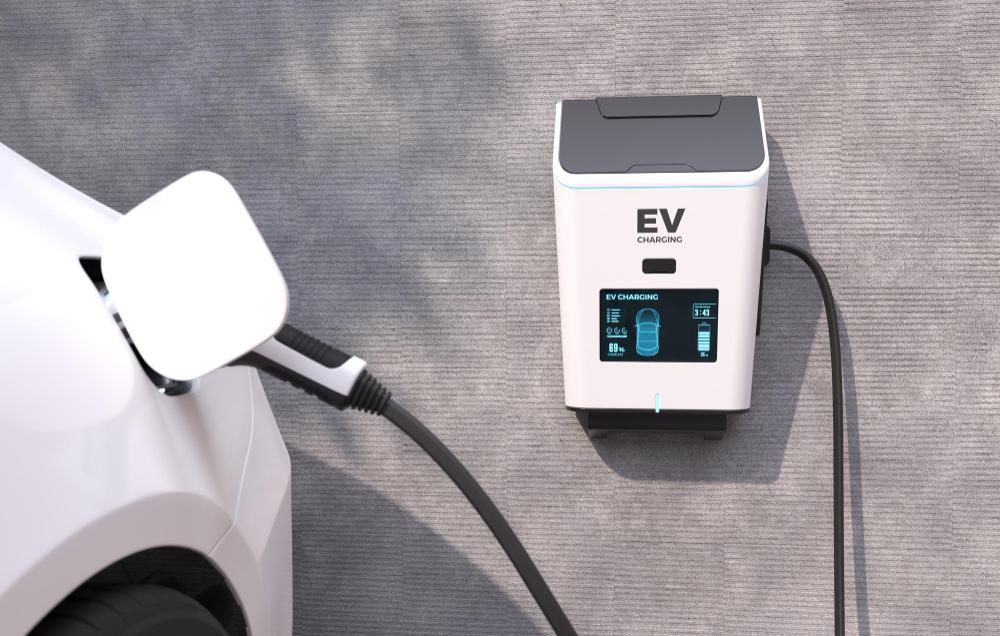
As electric vehicles continue transforming transportation across the United States, one thing has become clear: the future of EV ownership begins at home. While public charging stations are expanding rapidly, nothing compares to the convenience, control, and reliability of a professionally installed home EV charger. Whether you drive a Tesla, Nissan Leaf, Ford Mustang Mach-E, Chevy Bolt, or any other EV, installing a home charger is one of the smartest long-term decisions you can make.
Many homeowners start by searching online for ev charger installation or ev charger installation near me, hoping to understand what the process involves, how much it costs, and who can install it safely. This guide walks you through everything—charger selection, electrical requirements, installation procedure, rebates, safety considerations, and key factors to know before you begin.
Why Home EV Charger Installation Matters More Than Ever
Charging an EV using the standard Level 1 charger that comes with the vehicle is extremely slow, often requiring more than 20 hours for a full charge. In contrast, installing a Level 2 home EV charger turns your garage or driveway into a fast, dependable fueling station. With a Level 2 setup, most electric vehicles charge fully within four to eight hours, allowing drivers to enjoy overnight charging with zero interruptions.
Home charging also reduces long-term energy costs. Public charging networks typically charge higher per-kWh rates, while home electricity—especially off-peak—remains far cheaper. A home charger gives you total control over when and how you charge, helping you reduce expenses and optimize efficiency. For many EV owners, this benefit alone makes EV charger installation an essential upgrade.
Types of Home EV Chargers and What Homeowners Should Choose
Although there are multiple charger types available in the USA, home installations typically revolve around two: Level 1 and Level 2 charging.
Level 1 chargers come with your vehicle and plug into a standard household outlet (120V). They are extremely slow and only suitable for drivers with minimal daily commuting needs. Plug-in hybrids may work well with a Level 1 setup, but fully electric vehicles will take too long to charge.
Level 2 chargers, however, represent the real value of home EV charging. These chargers operate on a dedicated 240V circuit and provide dramatically faster charging rates. They can add anywhere between 20 and 50 miles of range per hour, depending on the charger’s amperage and your vehicle’s capability. This is the level most homeowners seek when they search ev charger installation near me, as Level 2 chargers require professional electrical work, proper wiring, and compliance with electrical safety codes.
Level 3 chargers, also known as DC fast chargers, are not designed for residential use due to their high voltage requirements and extremely high installation costs. They are intended for commercial charging locations such as service plazas and retail parking lots.
How to Select the Right Charger for Your Home
Choosing a charger is not just about speed. Homeowners must consider amperage, hardwired vs. plug-in configuration, outdoor vs. indoor installation, smart charging features, and compatibility with their EV model.
For most homes, chargers between 40A and 48A provide an ideal balance between performance and electrical load. Some homeowners prefer a hardwired charger, especially for outdoor installation, as it offers better durability and weather protection. Others choose a plug-in model because it’s easier to replace or upgrade later.
Smart chargers are becoming increasingly popular, offering Wi-Fi connectivity, mobile app monitoring, charging schedules, energy use tracking, and integration with smart home systems. These features make home charging even more efficient and can help reduce electricity bills by automatically charging during off-peak hours.
All EVs in the United States follow the J1772 connector standard (except Tesla, which uses its own connector but supports adapters). This makes most Level 2 chargers universally compatible.
Understanding the EV Charger Installation Process
A professional ev charger installation follows a structured process that ensures compliance with local building codes and safe electrical operation. It begins with an on-site assessment, where the installer evaluates your electrical panel, wiring capacity, breaker size, and the most practical mounting location for your charger. Placement depends on where your vehicle is typically parked—garage, carport, driveway, or side yard.
After assessing your home’s electrical load, the installer determines whether your breaker panel can support a new 240V circuit. If the existing panel lacks sufficient capacity, you may need an upgrade, which can add to the overall cost but significantly improves household safety and future electrical capability.
Once the assessment is complete, the installer obtains local permits. Many U.S. municipalities require permits for any electrical modifications, especially for high-power appliances such as EV chargers. Licensed electricians handle this step to ensure full compliance with state and national electrical codes.
The installation itself involves wiring a new 240V circuit, mounting the charger, connecting it to the power supply, grounding the system, and ensuring protection through appropriate breakers. After installation, the charger is tested for performance and safety. In some locations, a final inspection by local authorities may be required before the system is officially approved for use.
Cost of EV Charger Installation in the USA
Installation cost varies across states, home layouts, and electrical system complexity. In general, homeowners can expect equipment costs between $300 and $1,200 for the charger itself, depending on brand and features. Installation fees usually range between $300 and $1,000 for straightforward setups. However, if the home requires electrical panel upgrades, trenching for outdoor conduits, or long cable runs, the total price may rise to $2,000 or even $3,500.
When homeowners search for ev charger installation near me, they often compare multiple quotes. It’s crucial to choose licensed EV-qualified electricians with experience in high-amperage systems, rather than selecting based solely on the lowest price. Professional installation protects your vehicle warranty, ensures long-term safety, and prevents electrical hazards.
Federal Tax Credits and State Incentives
The United States offers generous incentives for EV charger installation, making it more affordable for homeowners. The federal government provides a 30% tax credit—up to $1,000—applied to both equipment and installation costs. Many states and utility companies offer additional rebates, sometimes covering an extra $300 to $1,200. Some utility providers even offer free smart chargers in exchange for participating in demand-response programs.
Eligibility varies by region, so working with a professional installer helps ensure that you receive all available incentives.
Where to Install Your Home EV Charger
The garage remains the most common location for ev charger installation. It protects the charger from weather conditions and usually requires the shortest wiring distance from the electrical panel, which keeps installation costs lower. Carports are another popular option for homeowners without enclosed garages.
Outdoor installations are also common. Most Level 2 chargers are weatherproof and designed for outdoor mounting. In these cases, installers typically recommend hardwired units for better long-term durability. If your charger needs to be installed in a detached garage or secondary parking structure, underground trenching may be necessary to run wiring—an added cost but a practical solution for many homeowners.
Why Professional Installation Is Essential
EV charging equipment handles high electrical loads that must be managed with precision. Incorrect wiring, improper grounding, or inadequate circuit protection can lead to power surges, overheating, equipment failure, or electrical fires. A licensed installer ensures that your system meets NEC standards, local building codes, and manufacturer requirements.
Professional installation also increases the lifespan of the charger and protects the EV battery by providing clean, consistent power. Furthermore, real estate agents confirm that homes equipped with properly installed EV charging stations enjoy stronger buyer interest and higher property value—another long-term incentive for installation.
How to Find the Best EV Charger Installer Near You
When looking for ev charger installation near me, homeowners should prioritize experience, licensing, customer reviews, and warranty support. Reliable installers provide transparent quotes, assist with rebates and permits, and recommend the most suitable charger for your household needs. They also offer post-installation support, which ensures that your system continues to operate efficiently.
Final Thoughts
As the transition to electric mobility accelerates across the USA, ev charger installation is no longer just an optional upgrade—it is the foundation of convenient, efficient, and cost-effective EV ownership. A home charging station gives you control over your energy use, reduces reliance on public chargers, and ensures you begin every day with a fully charged vehicle.
Whether you are actively searching for ev charger installation near me or simply exploring your options, understanding the types of chargers, installation process, costs, and safety standards empowers you to make a confident decision. With the right equipment and a licensed professional installer, home EV charging becomes a seamless part of your daily routine—practical, reliable, and ready for the future.

 English
 Arabic
 French
 Spanish
 Portuguese
 Deutsch
 Turkish
 Dutch
Dutch
 Italiano
 Russian
 Romaian
 Portuguese (Brazil)