


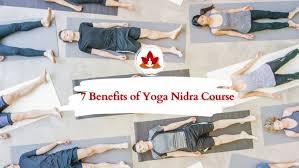
Yoga Nidra, often referred to as “yogic sleep,” is a transformative relaxation and meditation technique that allows practitioners to experience deep rest while remaining fully aware. As modern lifestyles increasingly lead to chronic stress, insomnia, and emotional fatigue, Yoga Nidra has emerged as one of the most effective and accessible tools for nervous system regulation, healing, and inner renewal. While it may appear deceptively simple—just lying down and listening to guided instructions—its impact reaches multiple layers of physical, mental, and emotional wellbeing. Exploring the vast range of yoga nidra benefits reveals why this practice has gained so much global popularity and why it is becoming an essential component of holistic wellness.
To begin with, Yoga Nidra induces a profound state of relaxation that is deeper than typical rest or meditation. During practice, the body enters the hypnagogic state—the threshold between wakefulness and sleep—where brainwave patterns shift from rapid beta waves to slower alpha, theta, and even delta waves. This transition facilitates deep healing. One of the key yoga nidra benefits is its ability to systematically calm the autonomic nervous system. When the sympathetic nervous system remains overactive due to stress, the body stays in a fight-or-flight mode. Yoga Nidra reverses this state by activating the parasympathetic nervous system, which promotes rest, digestion, and recovery. Through this shift, the heart rate slows down, muscle tension softens, and blood pressure stabilizes, offering a level of relaxation that many people struggle to achieve through normal sleep.
Another powerful advantage among the widely acknowledged yoga nidra benefits is improved sleep quality. Many individuals suffer from insomnia, restless nights, or an inability to switch off the mind before bed. Yoga Nidra helps reset sleep patterns by regulating hormones such as cortisol and melatonin. Practicing it regularly before bedtime can signal the mind to unwind while gently preparing the body for deep sleep. Even a short session of 20 to 30 minutes can feel equivalent to hours of restorative sleep, making it immensely beneficial for those with demanding lifestyles, shift workers, or anyone who experiences mental overload.
Emotional healing is also a profound aspect of the practice. Yoga Nidra provides a safe and structured space for individuals to process emotions that may otherwise remain suppressed. During guided sessions, practitioners are encouraged to observe sensations, feelings, and thoughts without attachment or judgment. This mindful awareness supports emotional release, reduces anxiety, and helps cultivate resilience. In fact, one of the most transformative yoga nidra benefits lies in its impact on mental health. Research and personal experiences show that it helps manage conditions like anxiety, depression, trauma, and chronic stress. By entering a deeply relaxed state, the mind becomes more receptive to healing and rewiring patterns that contribute to emotional suffering.
Another key component of Yoga Nidra is Sankalpa, the practice of setting a conscious intention. This intention is a short, positive statement aligned with one’s inner truth or desired transformation. Sankalpa is repeated at the beginning and end of the session when the mind is calm, silent, and highly receptive. Among the significant yoga nidra benefits, the use of Sankalpa helps reprogram subconscious patterns, reinforce positive habits, and support personal growth. Whether the intention is related to health, emotional strength, confidence, or life direction, Yoga Nidra creates an inner environment where these intentions can take root. Over time, this consistent reinforcement can lead to meaningful changes in one’s behavior, mindset, and overall life path.
The physical body also experiences remarkable improvement through regular practice. Because Yoga Nidra induces such deep relaxation, the body has an opportunity to repair tissues, regulate hormones, and strengthen the immune system. One of the lesser-known yoga nidra benefits is its positive impact on chronic pain. When the body relaxes completely, pain signals reduce, inflammation decreases, and muscles soften. This is why Yoga Nidra is often recommended for individuals with fibromyalgia, arthritis, or other chronic pain conditions. Moreover, the practice enhances body awareness, helping practitioners identify areas of tightness or imbalance that need attention in daily life or during physical yoga sessions.
Mental clarity and cognitive functioning also increase through consistent practice. When stress accumulates, the mind becomes cluttered, memory weakens, and creativity declines. Yoga Nidra offers a remedy by giving the mind space to rest and reset. Many practitioners report improved focus, sharper decision-making, and enhanced creativity after sessions. These cognitive improvements are among highly valued yoga nidra benefits, especially for students, professionals, and individuals who need sustained concentration and innovative thinking. Because Yoga Nidra balances both hemispheres of the brain, it supports a harmonious blend of logic, intuition, creativity, and insight.
Spiritual growth is another dimension of this profound practice. While Yoga Nidra does not require any specific belief system, it provides a doorway into deeper self-awareness. As practitioners move through layers of physical awareness, breath awareness, sensory withdrawal, and visualization, they gradually connect with a still, quiet place within themselves. Among the spiritual yoga nidra benefits, one of the most beautiful is the experience of expanded consciousness. People often describe feelings of oneness, deep peace, or a sense of connection to something larger than themselves. This inner expansion helps nurture compassion, patience, and an understanding of life’s interconnectedness.
Yoga Nidra is also accessible to people of all ages and physical abilities. Unlike traditional yoga postures or strenuous practices, it requires no flexibility or physical exertion. The practitioner simply lies down in Savasana or sits comfortably while listening to instructions. This makes it ideal for seniors, individuals recovering from injury, those with limited mobility, or anyone new to meditation. Accessibility is one of the overlooked yoga nidra benefits, yet it is extremely important because it allows more people to experience the healing power of the practice without fear or limitations.
Furthermore, Yoga Nidra helps release subconscious blockages and unresolved impressions, often referred to as samskaras. These mental and emotional impressions shape our behaviors, reactions, and life patterns. Through guided visualization and deep relaxation, Yoga Nidra allows these impressions to surface gently and dissolve over time. This leads to psychological freedom, emotional clarity, and an improved ability to respond calmly rather than react impulsively. Many practitioners find that after several weeks of practice, they feel lighter, more grounded, and less affected by situations that previously caused stress.
In addition to personal transformation, Yoga Nidra enhances relationships and interpersonal interactions. As stress levels decrease and emotional balance improves, individuals become more patient, compassionate, and attentive. Among the many yoga nidra benefits, improved relationships are often experienced indirectly but are deeply meaningful. A calm mind communicates more thoughtfully. A well-rested body is more tolerant. An emotionally balanced person navigates conflict with greater ease. These shifts contribute to healthier personal and professional relationships.
Lastly, Yoga Nidra promotes a lifestyle of mindfulness and self-care. Those who practice regularly often become more aware of their needs, limits, and inner signals. This awareness leads to healthier choices, whether related to food, habits, rest, or personal boundaries. Self-care becomes a natural extension of the practice rather than a forced routine.
In conclusion, the range of yoga nidra benefits is vast and multidimensional, spanning physical health, mental clarity, emotional healing, spiritual expansion, and overall wellbeing. Yoga Nidra is not just a relaxation technique—it is a journey inward, a path to resetting the nervous system, nurturing inner resilience, and reconnecting with one’s true self. As life becomes increasingly fast-paced and stressful, this ancient practice offers a sanctuary of stillness and restoration. For anyone seeking balance, healing, or deeper self-awareness, Yoga Nidra stands as a gentle yet powerful gateway to transformation

 English
 Arabic
 French
 Spanish
 Portuguese
 Deutsch
 Turkish
 Dutch
Dutch
 Italiano
 Russian
 Romaian
 Tiếng Việt