


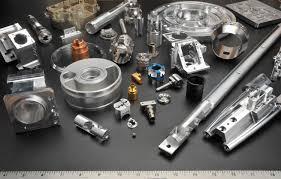
Selecting the proper material is one of the most crucial steps in machining CNC parts. The choice of material affects not only the part's durability and performance but also the efficiency and cost of production. Engineers and manufacturers must consider factors such as strength, thermal resistance, machinability, and cost when deciding on the material for CNC machining. The wrong material can lead to premature wear, higher production costs, and parts that fail to meet design specifications.
Furthermore, understanding the specific requirements of the application is essential. For instance, aerospace components demand materials with high strength-to-weight ratios, while automotive parts may require materials that can withstand high friction and heat. By selecting the right material, manufacturers can optimize the performance of machining CNC parts, reduce waste, and ensure long-term reliability.
Understanding Material Properties
The first step in choosing materials for machining CNC parts is understanding the fundamental properties of different materials. Metals, plastics, and composites each have unique characteristics that influence machinability and part performance. Metals like aluminum and stainless steel offer high strength and thermal resistance, making them ideal for demanding applications. Plastics such as ABS and polycarbonate are lightweight, corrosion-resistant, and easy to machine, which makes them suitable for prototypes or low-stress components. Composites, on the other hand, provide a balance of strength and weight, often used in aerospace or automotive industries.
Mechanical properties such as hardness, ductility, and tensile strength are critical in determining how a material behaves under machining processes. Thermal properties, including thermal expansion and conductivity, also play a role in achieving precision in machining CNC parts. For instance, materials with high thermal expansion can cause dimensional inaccuracies during high-speed machining. Therefore, having a deep understanding of material properties helps engineers make informed decisions that improve both production efficiency and part quality.
Machinability and Cost Considerations
Machinability is a key factor when selecting materials for machining CNC parts. Materials with high machinability reduce tool wear, lower energy consumption, and enable faster production times. Aluminum, for example, is widely preferred for CNC machining because it offers excellent machinability while maintaining strength and corrosion resistance. On the other hand, hard metals like titanium or certain stainless steels require specialized tools and cutting techniques, which can increase production time and costs.
Cost is another major consideration. While high-performance materials like titanium or carbon fiber composites provide superior properties, they come at a higher price. Manufacturers must balance performance requirements with budget constraints. In some cases, using a less expensive material with a coating or heat treatment may achieve the desired properties while reducing costs. Understanding both machinability and cost implications ensures that machining CNC parts is not only technically effective but also economically viable.
Application-Specific Material Selection
The intended application of CNC parts largely determines the choice of material. For example, aerospace and automotive industries demand lightweight yet strong materials to improve fuel efficiency and performance. Aluminum alloys, titanium, and advanced composites are commonly used in these fields due to their favorable strength-to-weight ratios and durability. Conversely, industrial machinery components might require hardened steels to withstand high stress and wear.
For applications exposed to extreme temperatures or corrosive environments, material selection must prioritize thermal resistance and chemical stability. High-performance plastics like PEEK or metals like Inconel are ideal choices for such conditions. By analyzing the environmental and operational factors, manufacturers can select materials that maximize the functionality and longevity of machining CNC parts, ensuring that parts perform reliably in their intended use.
Balancing Strength, Weight, and Durability
One of the biggest challenges in machining CNC parts is balancing strength, weight, and durability. Stronger materials generally provide better performance under stress but can be heavier and harder to machine. For applications like aerospace or robotics, reducing weight without compromising strength is essential. Aluminum, magnesium, and certain composites are often chosen for their lightweight nature combined with sufficient strength.
Durability is another factor that affects long-term performance. Materials must resist wear, fatigue, and corrosion to ensure longevity. Coatings, heat treatments, or composite layering can enhance durability without adding excessive weight. Achieving the right balance between these factors is critical for producing efficient, cost-effective, and high-performing machining CNC parts that meet rigorous industry standards.
Future Trends in Material Selection
Advancements in material science are continuously influencing machining CNC parts. New alloys, high-performance plastics, and composite materials are being developed to meet increasingly demanding engineering requirements. Materials with self-lubricating properties, enhanced thermal resistance, and improved machinability are becoming more prevalent, allowing manufacturers to achieve higher precision and efficiency.
Sustainability is also emerging as a key consideration. Manufacturers are exploring recyclable materials and eco-friendly alternatives to reduce environmental impact. By keeping up with these trends, businesses can leverage innovative materials to produce high-quality machining CNC parts that are not only durable and efficient but also aligned with modern sustainability goals.
Conclusion
Choosing the right material for machining CNC parts is a complex decision that requires careful evaluation of properties, machinability, cost, application requirements, and future trends. The correct material ensures optimal performance, precision, and longevity of CNC components. By staying informed about material options and advancements, manufacturers can maintain a competitive edge, reduce production costs, and deliver high-quality parts that meet the demands of modern engineering and industry.

 English
 Arabic
 French
 Spanish
 Portuguese
 Deutsch
 Dutch
Dutch
 Italiano
 Russian
 Romaian
 Portuguese (Brazil)
 Tiếng Việt