


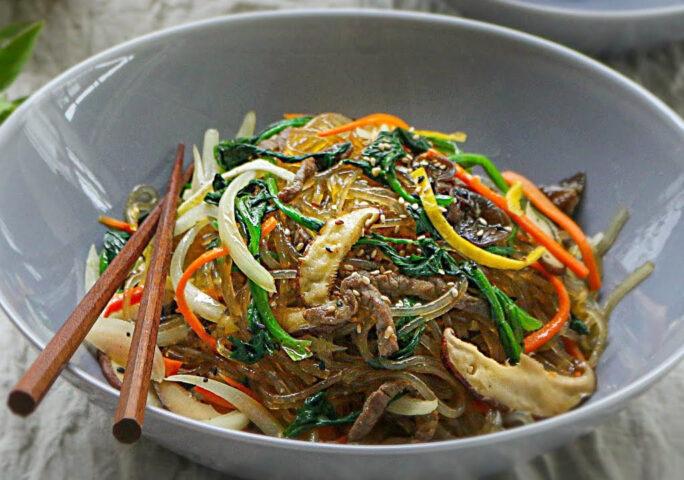
Korean cuisine is famous for its bold flavors and colorful dishes — and Japchae, a stir-fried glass noodle dish, is one of its most beloved creations. Traditionally made with sweet potato noodles, vegetables, and soy-based sauce, Japchae has evolved to meet the needs of modern eaters. One exciting version gaining popularity is Keto-Friendly Japchae, made with low-carb noodles like konjac noodles or seaweed noodles. This twist keeps the essence of the dish intact while making it perfect for low-carb or keto lifestyles.
In this article, we’ll explore the ingredients, health benefits, and preparation style of this delicious Keto Japchae, along with how it compares to the traditional version.
What Is Japchae?
Japchae is a classic Korean noodle dish known for its harmony of flavors — sweet, savory, and umami all at once. Traditionally, it’s made using dangmyeon, or sweet potato starch noodles, stir-fried with vegetables such as carrots, spinach, mushrooms, and onions, along with soy sauce and sesame oil.
However, while traditional Japchae is rich in texture and taste, it’s not particularly low in carbs. That’s where Keto Japchae comes in — replacing sweet potato noodles with konjac noodles or other low-carb alternatives to make it suitable for keto dieters.
Why Choose Keto-Friendly Japchae?
Low-carb diets like keto focus on reducing carbohydrates and replacing them with healthy fats and moderate protein. A traditional Japchae dish, though nutritious, can be high in carbs due to the sweet potato noodles and sugar used in its sauce.
Keto Japchae modifies this by:
-
Using Konjac Noodles: These are made from the konjac plant and are virtually carb-free, making them perfect for keto dieters.
-
Adjusting the Sauce: Replacing sugar with keto-friendly sweeteners such as erythritol or monk fruit.
-
Enhancing Fats: Using more sesame oil or avocado oil for a richer texture.
This way, you can still enjoy a delicious bowl of Japchae without breaking your carb limits.
Ingredients in Keto Japchae
Let’s break down the typical ingredients used in this low-carb version:
-
Konjac noodles (shirataki noodles): These mimic the texture of glass noodles but contain almost zero calories and carbs.
-
Vegetables: Bell peppers, mushrooms, carrots, onions, and spinach add crunch and nutrition.
-
Protein: Optional additions like beef, chicken, or tofu for extra flavor and satiety.
-
Sauce: A combination of soy sauce (or tamari for gluten-free), sesame oil, garlic, and a sugar-free sweetener.
-
Toppings: Toasted sesame seeds and sliced green onions for garnish.
These simple ingredients make Japchae not only keto-friendly but also packed with nutrients, fiber, and antioxidants.
Health Benefits of Keto Japchae
Switching to Keto Japchae offers several health benefits beyond just being low in carbs. Here are some of the key advantages:
1. Low in Calories and Carbs
Thanks to konjac noodles, Japchae becomes a guilt-free meal option. These noodles are made mostly of water and glucomannan fiber, which adds bulk without calories.
2. Rich in Fiber
Glucomannan fiber from konjac helps improve digestion, supports gut health, and keeps you feeling full longer, aiding in weight management.
3. Good Source of Micronutrients
The colorful vegetables used in Japchae — like bell peppers and spinach — are loaded with vitamins A, C, and K, as well as minerals like potassium and iron.
4. Supports Weight Goals
Replacing high-carb noodles with low-calorie konjac noodles allows you to enjoy a hearty, flavorful meal while staying within your calorie and carb goals.
5. Promotes Heart Health
The sesame oil used in the dish contains healthy fats that can help reduce bad cholesterol levels and support heart function.
How to Prepare Keto Japchae
Making Keto-Friendly Japchae at home is surprisingly easy. Here’s a simple method:
-
Prepare the Noodles
-
Rinse konjac noodles thoroughly under water to remove any natural odor.
-
Boil for 2–3 minutes, then drain and set aside.
-
-
Stir-Fry the Vegetables
-
Heat sesame oil in a pan, then sauté sliced onions, carrots, bell peppers, and mushrooms.
-
Add a pinch of salt and stir until they soften slightly.
-
-
Add Protein (Optional)
-
If you’re adding beef, chicken, or tofu, cook it in the same pan until browned.
-
-
Mix the Sauce
-
Combine soy sauce, sesame oil, garlic, and a keto-friendly sweetener. Adjust to taste.
-
-
Combine and Serve
-
Toss the cooked noodles and sauce into the vegetables and mix well.
-
Garnish with sesame seeds and chopped green onions.
-
Serve warm or at room temperature — it tastes great either way!
LSI Keywords Used
(Used naturally throughout for SEO optimization)
-
Gochujang Seafood Konjac Rice (Keto Friendly)
-
Joo Kimchi
-
Roasted Seaweed
-
Keto Set for 2
Flavor Profile of Keto Japchae
The flavor of Keto Japchae is light yet satisfying. The noodles absorb the soy-sesame sauce beautifully, while the vegetables provide crunch and freshness. If you like spice, a touch of Gochujang Seafood Konjac Rice (Keto Friendly) sauce or a spoon of chili oil can elevate the dish even more.
The beauty of this recipe is in its balance — savory, slightly sweet, nutty, and aromatic all at once.
Why It’s Perfect for Keto Dieters
The Keto Japchae version fits seamlessly into a low-carb lifestyle. Whether you’re following a strict ketogenic diet or just reducing carbs for health reasons, this dish offers:
-
Satisfying flavor without carb overload.
-
High fiber to aid digestion.
-
Customizable protein content.
Pair it with Roasted Seaweed or a Keto Set for 2 meal for a balanced, delicious, and keto-friendly Korean dining experience.
Final Thoughts
Japchae (Keto Friendly) proves that healthy eating doesn’t have to mean giving up flavor or cultural favorites. By replacing traditional noodles with konjac noodles and tweaking the sauce, you can enjoy a dish that’s both delicious and aligned with your dietary goals.
So, the next time you crave Korean food but want to stay keto, try making your own Keto Japchae — a colorful, nutrient-rich, and satisfying meal that keeps your health in mind without compromising on taste.

 Arabic
 French
 Spanish
 Portuguese
 Deutsch
 Turkish
 Dutch
Dutch
 Italiano
 Russian
 Romaian
 Portuguese (Brazil)
 Tiếng Việt